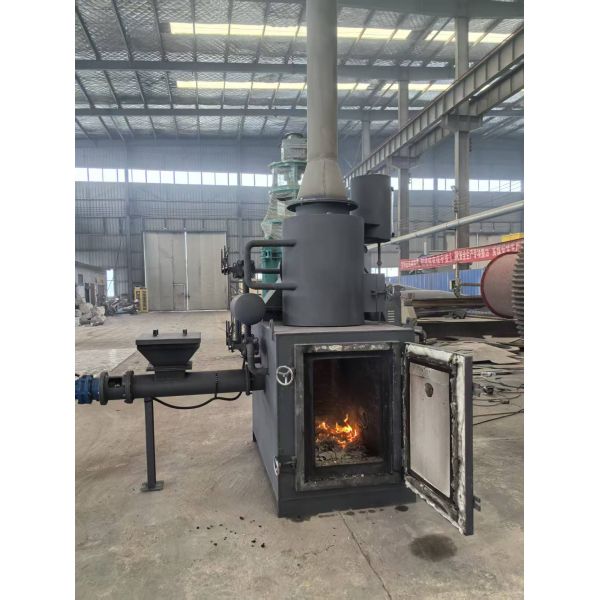
Waste Incinerators are essential pieces of thermal treatment equipment designed to efficiently manage and dispose of various types of waste. Constructed primarily from high-quality carbon steel, these Waste Incinerators offer robust durability and long-lasting performance even under the most demanding operational conditions. Their design ensures optimal resistance to heat and corrosion, which is crucial for handling the high temperatures and corrosive gases generated during the incineration process.
In the realm of waste management and disposal, Waste Incinerators play a pivotal role by significantly reducing the volume of waste materials. By converting waste into ash, flue gas, and heat, these systems help to minimize landfill usage and lower the environmental footprint of waste disposal activities. The thermal treatment process employed by Waste Incinerators not only reduces waste volume but also destroys harmful pathogens and toxins, making the disposal process safer and more environmentally responsible.
| Lifespan | 20-30 Years |
| Energy Recovery | Steam Generation, Electricity Production |
| Installation Type | On-site |
| Maintenance Needs | Regular Cleaning And Inspection |
| Material | Carbon Steel |
| Size | Varies Depending On Model And Capacity |
| Automation Level | Fully Automated, Semi-automated, Manual |
| Application | Waste Management And Disposal |
| Residence Time | 2-3 Seconds At Combustion Temperature |
| Waste Handling System | Crane, Conveyor, Grab Bucket |
Waste Incinerators are essential thermal treatment equipment designed to efficiently and safely dispose of various types of waste through high-temperature combustion. With a residence time of 2-3 seconds at combustion temperature, Waste Incinerators ensure thorough burning of waste materials, significantly reducing their volume and minimizing environmental impact. These incinerators are engineered to handle a wide range of waste types, making them ideal for municipal, industrial, and hazardous waste management applications.
The versatility of Waste Incinerators is evident in their waste handling systems, which typically include cranes, conveyors, and grab buckets. These systems facilitate the smooth and continuous feeding of waste into the incinerator, optimizing operational efficiency and ensuring consistent combustion. Depending on the specific model and capacity, the size of Waste Incinerators can vary, allowing customization to meet the unique needs of different facilities, whether for small-scale operations or large waste processing plants.