Steel Bridges: Timeless Innovations Shaping Modern Infrastructure
For over two centuries, steel bridges have stood as iconic symbols of engineering progress, connecting communities, facilitating trade, and adapting to the ever-changing needs of transportation. From humble footbridges in small towns to massive highway crossings spanning major rivers, steel’s unique blend of strength, flexibility, and durability has made it the backbone of bridge construction worldwide. As cities grow and infrastructure demands evolve, steel bridges continue to reinvent themselves, merging traditional reliability with cutting-edge sustainability and technology.
The enduring appeal of steel lies in its unmatched structural performance. Unlike concrete, which excels in compression but lacks tensile strength, steel handles both tension and compression with ease, allowing engineers to design bridges with longer spans and slimmer profiles. This capability is evident in landmarks like New York’s Brooklyn Bridge—completed in 1883, it was the world’s first steel-wire suspension bridge, spanning 1,595 feet over the East River. Even today, modern steel bridges push span limits: the Akashi Kaikyō Bridge in Japan, a steel suspension bridge, stretches 6,532 feet, setting a global record. Steel’s high strength-to-weight ratio also reduces the need for heavy support piers, minimizing disruption to natural landscapes and waterways during construction.
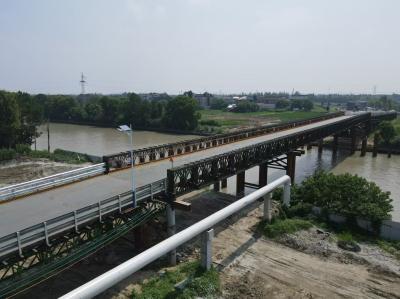
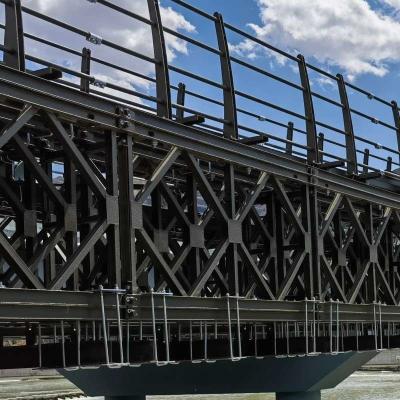
Versatility is another hallmark of steel bridges, enabling them to serve diverse transportation needs. Highway steel bridges, for example, are designed to withstand the constant load of heavy trucks, with rigid plate girder or box girder structures that ensure stability. Pedestrian steel bridges, by contrast, often feature lightweight truss designs that prioritize openness and aesthetic appeal—such as the Peace Bridge in Calgary, Canada, a curved steel truss bridge that offers pedestrians panoramic views of the Bow River. Rail steel bridges, meanwhile, leverage steel’s ductility to absorb the repeated stress of passing trains, ensuring long-term safety. This adaptability means steel bridges can be tailored to urban, rural, and coastal environments alike, from busy city intersections to remote mountain valleys.
In recent decades, sustainability has become a driving force in steel bridge design. Steel is one of the most recycled materials on the planet: over 90% of steel used in construction comes from recycled sources, and it can be recycled indefinitely without losing quality. This circularity drastically reduces the environmental impact of bridge construction, cutting carbon emissions by up to 75% compared to using virgin steel. Modern steel bridges also incorporate eco-friendly features to enhance sustainability. For instance, the Arthur Ravenel Jr. Bridge in Charleston, South Carolina, uses corrosion-resistant weathering steel, which forms a protective rust layer over time, eliminating the need for frequent painting and reducing chemical runoff into nearby waterways. Additionally, prefabricated steel components—built in factories and assembled on-site—reduce construction waste by up to 30% and shorten project timelines, further lowering carbon footprints.
Technological innovation is propelling steel bridges into the future, making them smarter and more resilient. Advanced monitoring systems, equipped with sensors that track stress, vibration, and temperature, allow engineers to detect potential issues like cracks or corrosion in real time. In places like the Golden Gate Bridge in San Francisco, these sensors feed data into AI-powered platforms that predict maintenance needs, extending the bridge’s lifespan and reducing costs. Innovations in steel alloys are also expanding possibilities: high-strength, low-alloy (HSLA) steels are lighter and stronger than traditional steel, enabling the construction of more efficient bridges with less material. For example, the new Tappan Zee Bridge (now named the Mario M. Cuomo Bridge) in New York used HSLA steel to reduce the structure’s weight by 10% while increasing its load capacity.
Despite their many advantages, steel bridges face challenges, such as corrosion in harsh environments and higher initial costs compared to concrete. However, these hurdles are being addressed through ongoing research: new anti-corrosion coatings, like zinc-nickel alloys, offer longer protection, while the long lifespan of steel bridges (often 75–100 years with proper maintenance) makes them a cost-effective investment over time. Governments and private sector partners are also investing in steel bridge retrofitting programs, updating older structures to meet modern safety and sustainability standards.
In conclusion, steel bridges are far more than just transportation links—they are testaments to human ingenuity, adapting to the needs of each era while maintaining their core strengths. From the Brooklyn Bridge’s historic breakthroughs to today’s smart, sustainable designs, steel bridges continue to shape the way we move and connect. As the world focuses on building resilient, low-carbon infrastructure, steel’s role will only grow, ensuring that these engineering marvels remain vital components of our cities and landscapes for generations to come.