Make a bold design statement with the Two-Tone Real Wood Interior Door by YSM. Featuring a distinctive raised curved molded panel construction finished in striking two-tone coloration, this door transforms ordinary entryways into architectural features. The heavy-duty solid wood composite frame houses a selectable internal core structure — choose from bridge opening mechanical board for superior sound insulation, solid wood mesh for maximum density, or aluminum honeycomb for lightweight strength. Each door undergoes rigorous quality control under ISO 9001 standards and meets CE EN 14351-1 performance requirements. Fully customizable through YSM's OEM/ODM program, you can specify custom two-tone color combinations, door leaf thickness, panel profiles, surface textures, and hardware finishes. The moisture-resistant, anti-termite treated core ensures reliable performance from -20°C to 45°C, making it suitable for diverse global climates.
Our solid wood composite doors are manufactured through a series of defined production stages, from material preparation and moisture control to core construction, surface finishing, CNC machining, assembly, and final inspection. The specific process varies according to the selected door structure, materials, finish, and project requirements.
Step 1: Material Selection and Moisture Control
The first stage is the preparation of the materials required for the confirmed door configuration.
Depending on the product design, materials may include solid wood, finger-jointed timber, MDF, particleboard, and other engineered wood products.
Wood materials are dried and conditioned before processing. Moisture content is controlled according to the applicable production requirements to help reduce the possibility of warping, cracking, and dimensional instability.
Step 2: Door Frame and Internal Core Construction
The structural frame is produced according to the confirmed door design.
For a solid wood composite door, the selected wood materials are assembled to form the internal frame. The core structure is then selected based on the required balance of weight, stability, sound insulation, and cost.
Depending on the configuration, the core may consist of:
The selected core is installed into the structural frame and pressed or bonded using the corresponding manufacturing method.
Step 3: Surface Application and Finishing
The surface treatment is selected according to the required appearance and product specification.
Available options may include:
Step 4: CNC Machining
Once the door structure and surface preparation are completed, the door leaf and frame components are machined according to the confirmed drawings and dimensions.
CNC machining may be used for:
These operations help maintain dimensional consistency and provide accurate preparation for installation hardware.
Step 5: Assembly and Final Quality Inspection
The finished components are assembled according to the confirmed product configuration.
Before packaging, applicable quality checks may include:
After the applicable inspections are completed, qualified doors are cleaned, protected, and packaged according to the product, project, and shipping requirements before delivery.

Before the products are packaged, applicable door components are checked against the confirmed production requirements. Depending on the product configuration, inspections may include dimensional accuracy, surface appearance, color consistency, flatness, edge treatment, hardware preparation, and packaging condition.
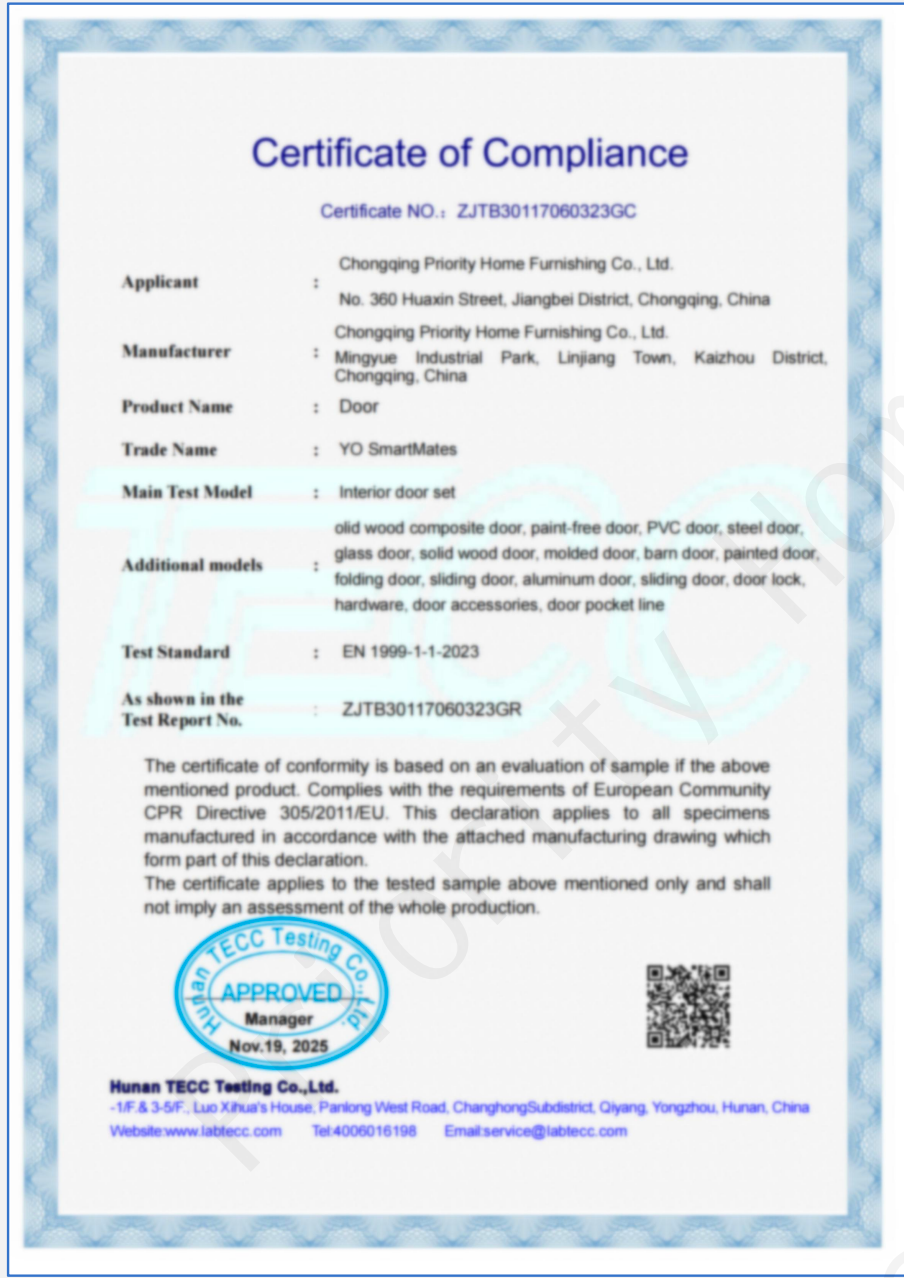
Where project-specific performance testing is required, the relevant test methods and documentation should be confirmed based on the selected product configuration.

| Parameter | Specification | ||
|---|---|---|---|
| Design Identity | Two-Tone Real Wood Interior Doors | ||
| Product Category | Solid Wood Interior Door | ||
| Material | Solid Wood | ||
| Core Material | Solid Wood Composite / Aluminum Honeycomb | ||
| Standard Specification | Custom | ||
| Surface Processing | Natural Veneer / Spray Paint | ||
| Door Frame Thickness | Custom | ||
| Opening Style | Swing | ||
| Position | Interior | ||
| Customization | OEM/ODM: Size · Color · Core · Surface · Style · Hardware | ||
| Certifications | CE (EN 14351-1) · RoHS · ISO 9001 · GB 18580-2017 |
Ideal for main entrances, living room transitions, and any high-visibility interior doorway where design impact matters. The two-tone raised panel design works beautifully in transitional, contemporary, and classic interiors. Suitable for residential homes, luxury apartments, boutique hotels, restaurants, and commercial lobbies.
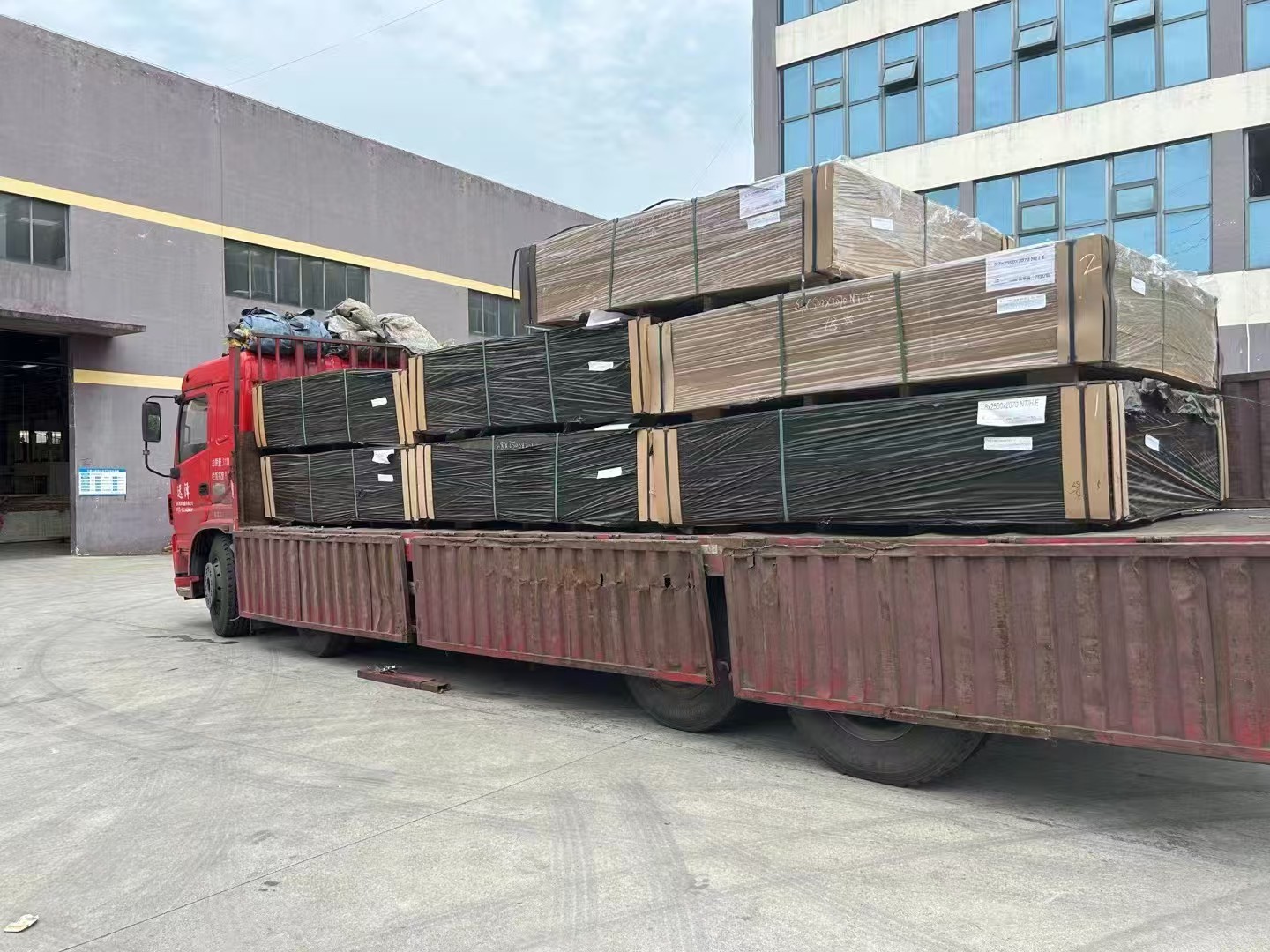
This photo shows finished door products being prepared for transportation and loaded at our manufacturing facility.
Protective packaging is used during handling and shipment preparation. Depending on the product dimensions, order quantities, and transportation requirements, the packaging method may be adjusted accordingly.
For international and project orders, packaging requirements can be discussed and confirmed according to the applicable shipping arrangement.

Q: Can I choose any two colors for the two-tone finish?
Yes. Our OEM/ODM customization program accepts any RAL or Pantone color specification, as well as specific wood stain references. You can combine contrasting colors (e.g., white and walnut, grey and oak) or complementary wood tones to create a unique visual identity for your project.
Q: Does the two-tone finish affect the door's durability or maintenance requirements?
Not at all. Both color zones receive the same premium protective coating — whether lacquer, UV-cured, or paint-free finish — ensuring uniform scratch resistance, UV stability, and easy cleaning across the entire door surface. Simply wipe with a damp microfiber cloth.