Why Tech-Savvy Importers Are Choosing the Xiaomi SU7 Max — Not Just Because It’s Fast
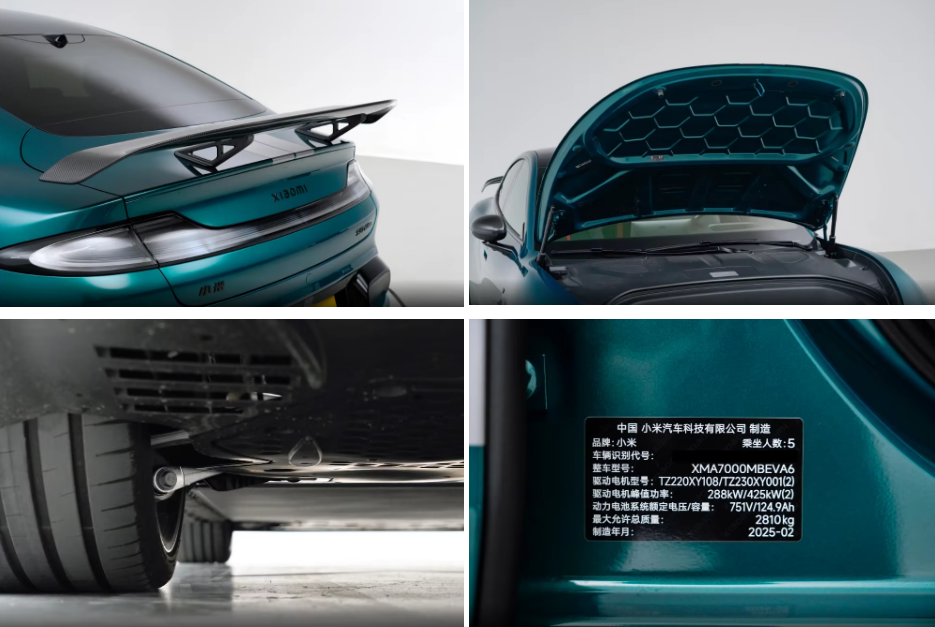
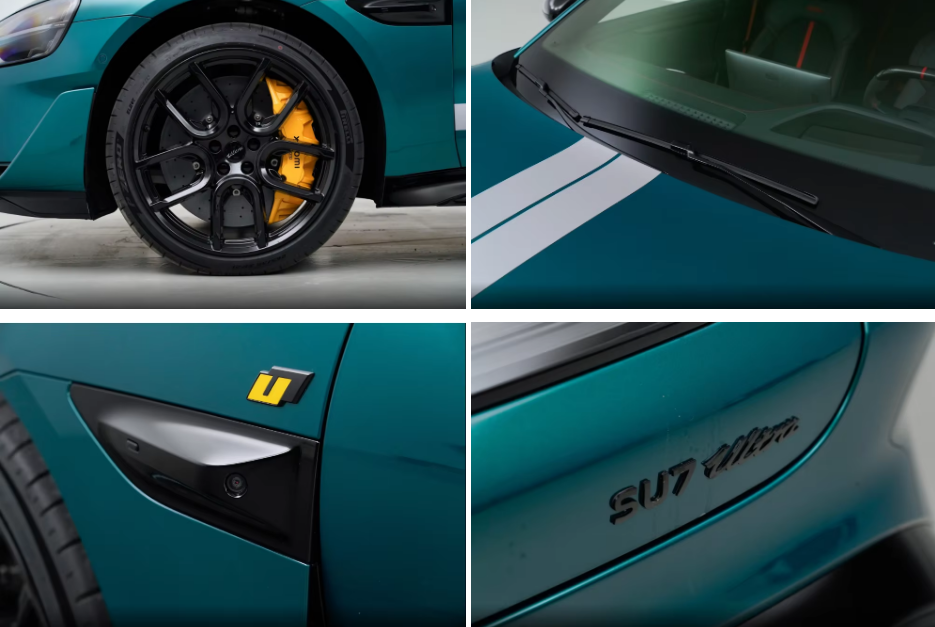
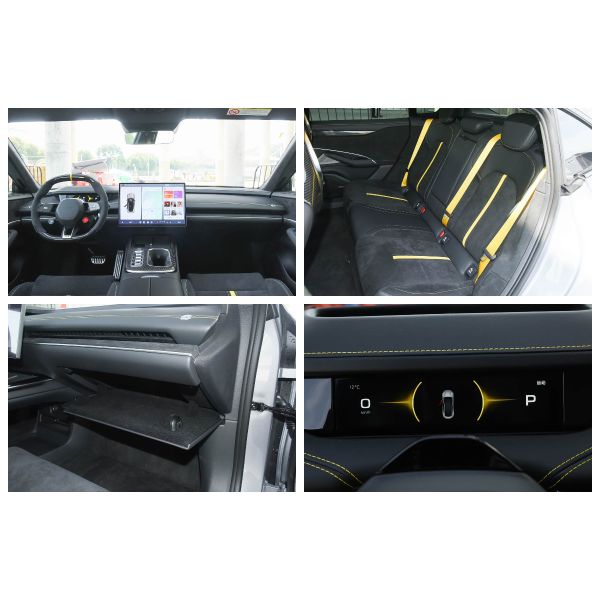
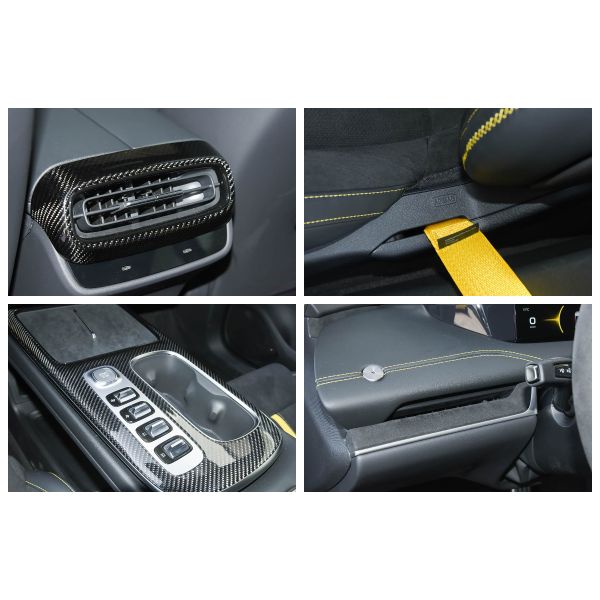
When we first saw the Xiaomi SU7 Max on the test track in Xi’an, what impressed us wasn’t just its 2.78-second 0–100 km/h sprint. It was how every component served a purpose—especially for markets outside China.
Unlike EVs designed primarily for urban showrooms, the SU7 Max was engineered with three non-negotiables:
- Real-world range that holds up in heat and traffic
- Charging speed that works with existing high-power stations
- Driver assistance that functions without constant cloud dependency
That’s why it’s gaining traction with serious importers—not hype-chasers.

The Battery Isn’t Just Big—It’s Smart
The SU7 Max uses a ~100 kWh ternary lithium pack, rated for up to 800 km under CLTC. But more importantly:
- It features dual liquid-cooling circuits for stable performance in 45°C desert climates
- Supports 800V architecture, meaning it can actually use the full output of modern 480 kW DC chargers (unlike many 400V EVs that bottleneck)
- Delivers consistent power even at low states of charge—critical for last-mile delivery or intercity runs
In markets like Egypt or Pakistan, where daytime temperatures soar, thermal management isn’t optional—it’s essential. Xiaomi got this right.
Dual-Motor AWD That’s Built for Daily Use—Not Just Lap Times
Yes, the SU7 Max hits 210 km/h and accelerates like a supercar. But its dual-motor system also enables:
- Torque vectoring for safer cornering on wet or uneven roads
- Regenerative braking tuned for stop-and-go traffic (recovers more energy in city driving than most rivals)
- Low-speed crawl mode for off-pavement access—useful in rural areas or construction zones
This isn’t a track toy. It’s a high-performance sedan that adapts to your roads.
Intelligence Without the Fragility
Many “smart” EVs rely heavily on cloud-based processing, which fails when connectivity drops. The SU7 Max takes a different approach:
- Dual LiDAR + local AI chip allows core ADAS functions (lane centering, emergency braking, adaptive cruise) to run onboard—even offline
- Urban NOA (Navigate on Autopilot) is available, but basic safety systems never require a data connection
- Over-the-air updates are modular, so you can install only what’s relevant to your region
For countries with patchy 4G coverage, this reliability matters more than flashy demos.
Export-Ready by Design
Xiaomi didn’t treat global sales as an afterthought. The SU7 Max comes standard with:
- LHD configuration
- OBD-II compliant diagnostics (compatible with common scan tools like Autel or Launch)
- Service intervals aligned with international norms (every 20,000 km or 12 months)
- Modular wiring harnesses to simplify future localization (e.g., adding local telematics)
We’ve already helped partners in Morocco, Georgia, and Peru complete type approval—with minimal modifications.

Verified Technical Summary (Source: Xiaomi Official 2024 Data)
| Parameter |
Value |
| Model |
SU7 Max (Super Long Range AWD) |
| Drive |
Dual-motor all-wheel drive |
| Power |
~475 kW (~650 PS) |
| Torque |
~500 N·m |
| Battery |
Ternary lithium, ~100 kWh |
| Range (CLTC) |
Up to 800 km |
| 0–100 km/h |
2.78 s |
| Top Speed |
210 km/h |
| Charging (10–80%) |
~15 min (800V DC) |
| Dimensions |
4,997 × 1,963 × 1,440 mm |
| Wheelbase |
3,000 mm |
| Seating |
5, LHD |