300mm*300mm Chlorine Resistant WPC Tiles Pass Mold Tests
Product Summary
Engineered in strict accordance with international biosecurity codes for high-traffic aquatic facilities, luxury resorts, and commercial spa decks, these premium Chlorine Resistant WPC Tiles Pass Mold Tests deliver an elite chemical-defense profile. The composite matrix is molecularly enhanced with hyper-branched anti-chlorine polymer stabilizers, rendering it entirely immune to continuous exposure to chlorinated pool water, UV radiation, and marine salinity. Clearing rigid ASTM microbiological cultivation evaluations to secure maximum fungal and algal immunity, this non-porous interlocking system eliminates commercial slip-and-fall and sanitation liabilities for multinational procurement partners.
Product Features
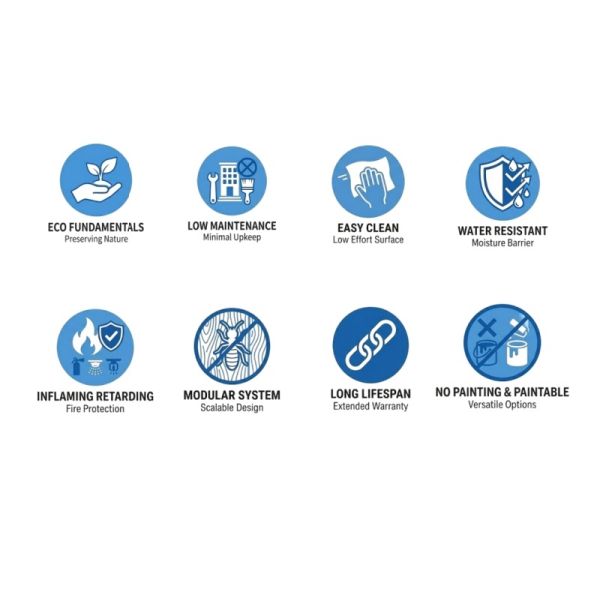
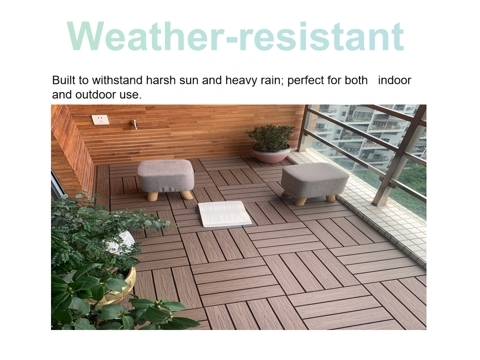
Elite Chlorine & Salt Resistance Halts Surface Photodegradation
ASTM Certified Anti-Fungal Shield Prevents Algae and Mold Growth
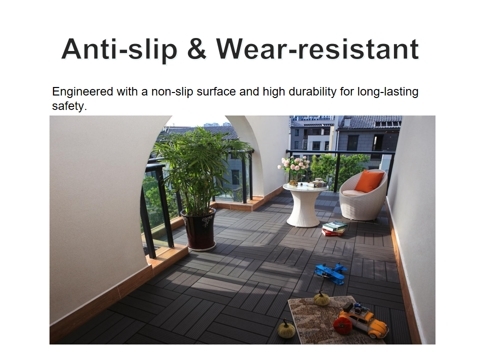
Barefoot Anti-Slip Matrix Defies Sunscreen and Soapy Residues
Splinter-Free and Edge-Rectified Profiles Maximize Spatial Safety

Technical Specifications
| Parameter | Standard Value | Test Method | Verdict |
| Regular Dimensions | 300mm × 300mm | Tolerance: ±2mm | ✔pass |
| Total Thickness | 22mm | Tolerance: ±1mm | ✔pass |
| Water Absorption Rate | ≤ 1.5% (24h submersion) | EN 317 / GB/T 24508 | ✔pass |
| Flexural Strength | ≥ 20 MPa | ASTM D790 / EN 310 | ✔pass |
| Flexural Modulus | ≥ 1800 MPa | ASTM D790 / EN 310 | ✔pass |
| Impact Resistance | No cracking after 1kg drop from 1m | ASTM D5420 / EN 477 | ✔pass |
| Slip Resistance | R10 – R11 ( Wet barefoot area) | DIN 51130 / ASTM F1679 | ✔pass |
| Formaldehyde Emission | E0 | EN 717-1 / GB 18580 | ✔pass |
| Flammability Rating | Bf1 - s1 | EN 13501-1 / ASTM E84 | ✔pass |
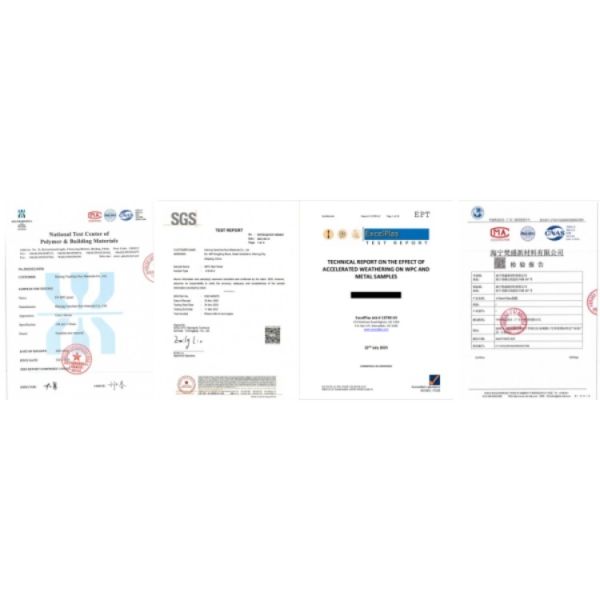
Certification

Performance Advantages


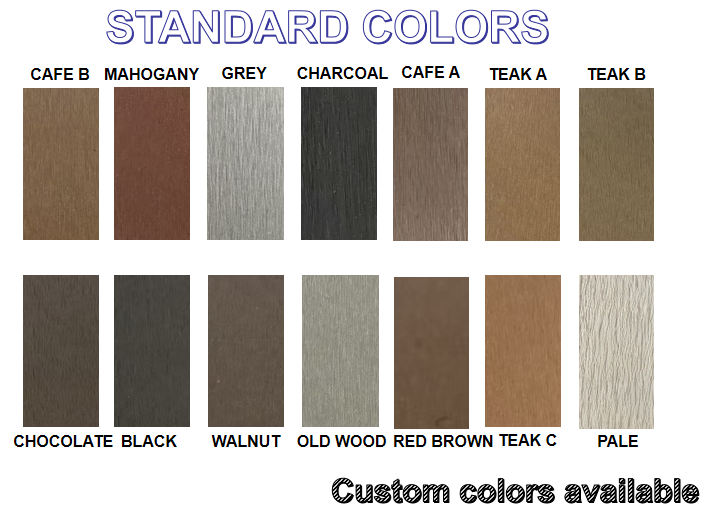
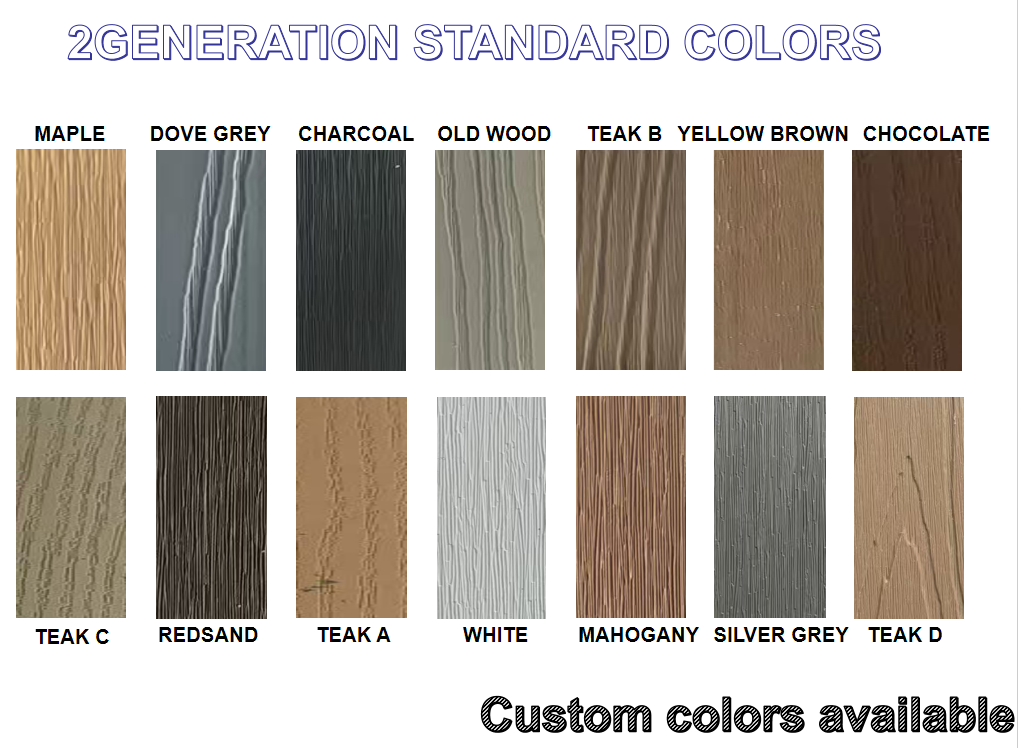
Colors


FAQ
A: Standard WPC tiles and natural wood decks disintegrate quickly around commercial pools because active chlorine acts as a powerful oxidizer, breaking down the material and causing wood decay. Our Chlorine Resistant WPC Tiles Pass Mold Tests are engineered to prevent this. The composite outer shield contains advanced chemical-radical scavengers that block chlorine erosion. Even under continuous exposure to swimming pool water and chemical shock treatments, the polymer matrix remains stable with zero fading, rotting, or structural breakdown.
A: Mold and algae grow on outdoor tiles when the material absorbs moisture and organic body oils, creating a biological breeding ground. We address this vulnerability by sealing our composite core to an ultra-low water absorption rate of ≤ 0.5% and compounding an inorganic bio-shield agent directly into the formula. Tested under the strict ASTM G21 fungal growth standard, our tiles achieve a perfect Grade 0 rating. Algae and black mold cannot find a moisture foothold or organic nutrition chain on the tile surface, keeping it clean and safe.
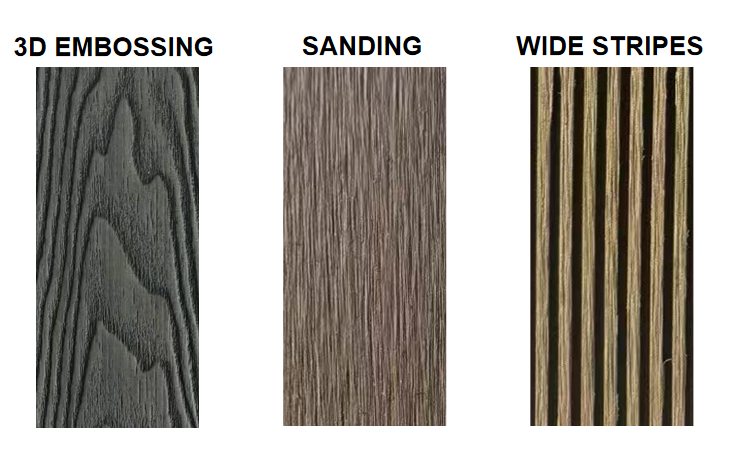
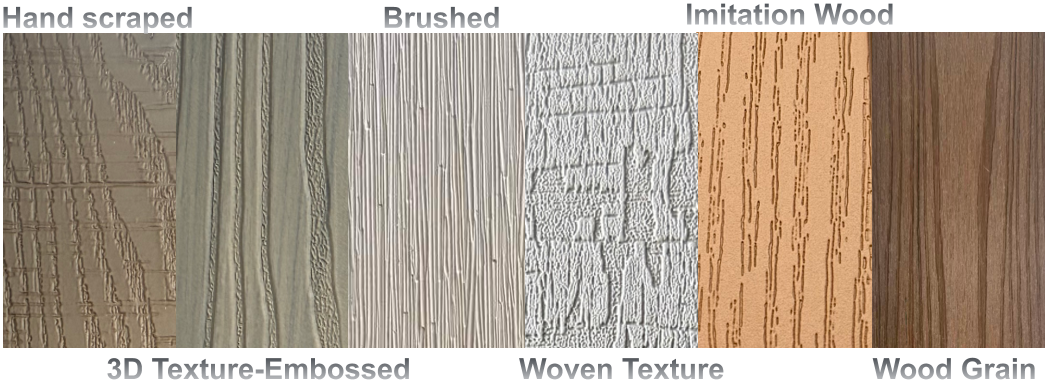
A: Yes, commercial safety compliance under oily and wet conditions is a key feature of our engineering. While standard smooth composite tiles become extremely slick when contaminated with body oils or sunscreens, our tiles feature a deep, micro-abrasive 3D wire-drawn texture. This profile mechanically disperses surface fluid films. Verified by strict ramp friction tests, the tiles maintain an excellent dynamic Coefficient of Friction (COF), preventing slip-and-fall incidents even when coated with slick tanning oils or soapy pool runoff.