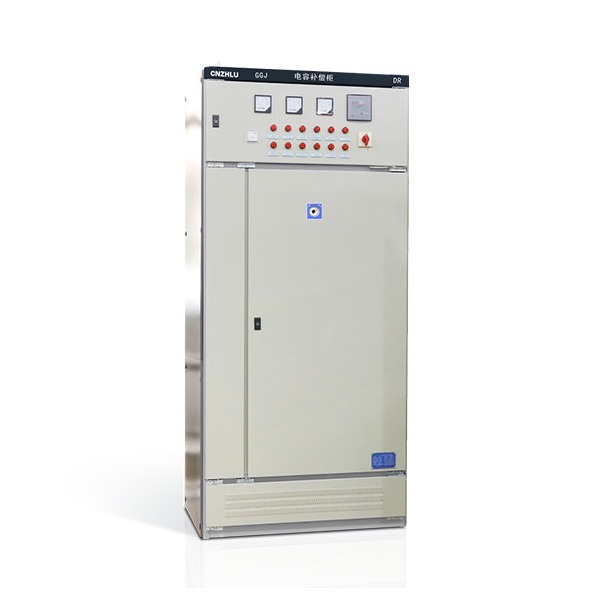
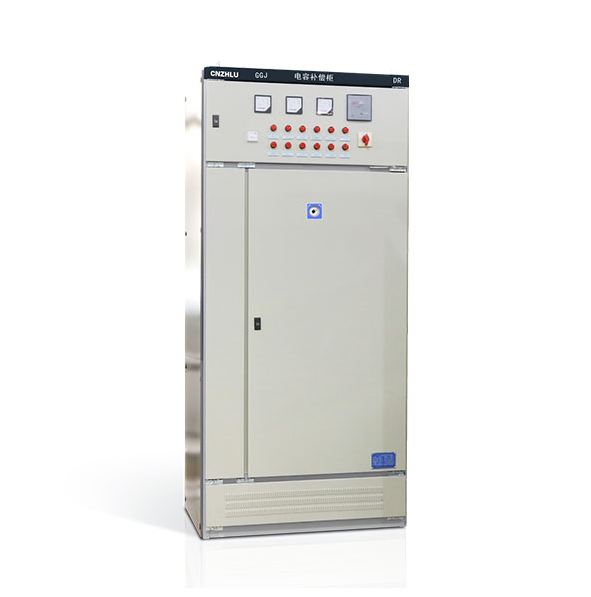
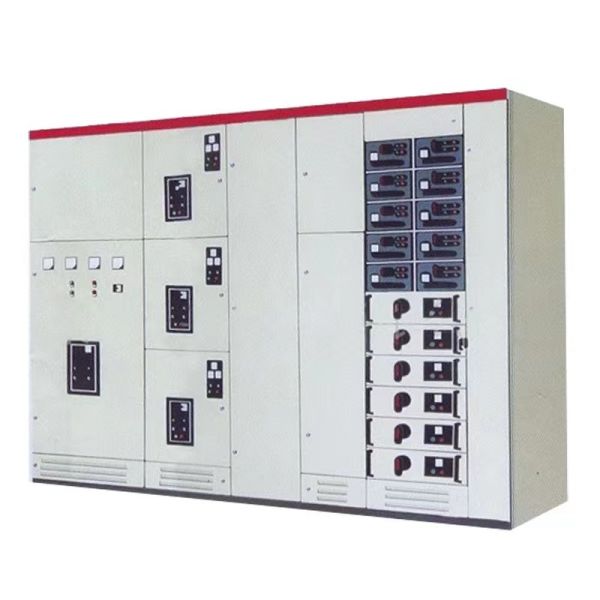
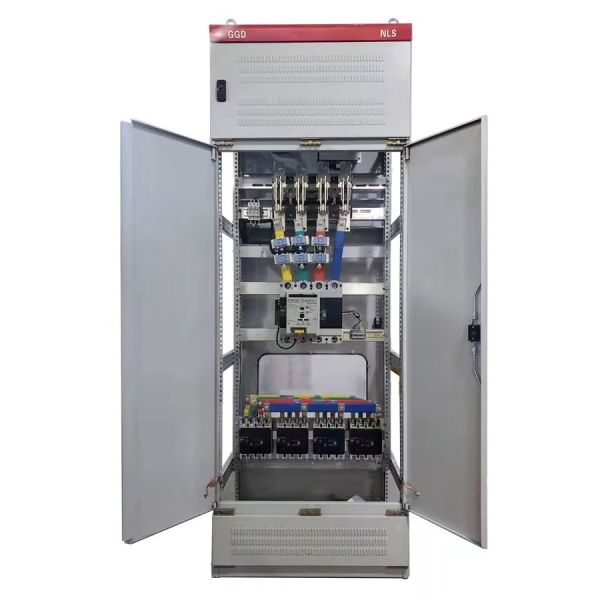
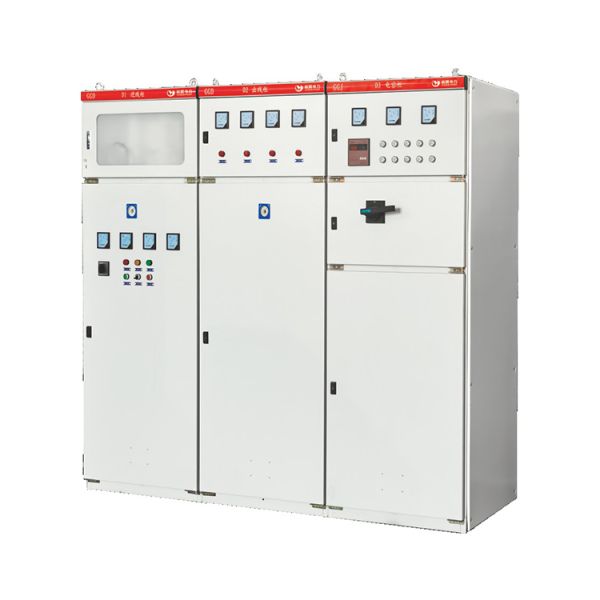
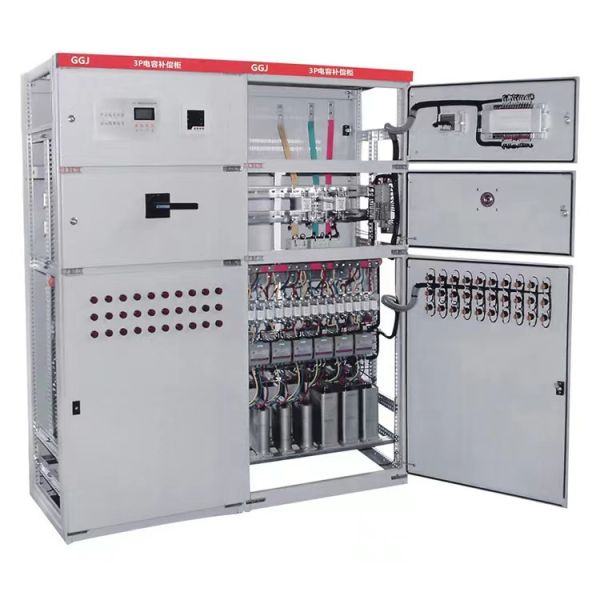
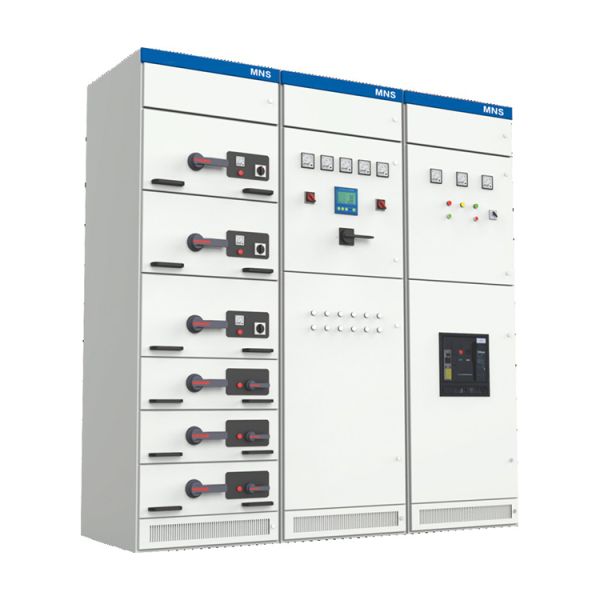
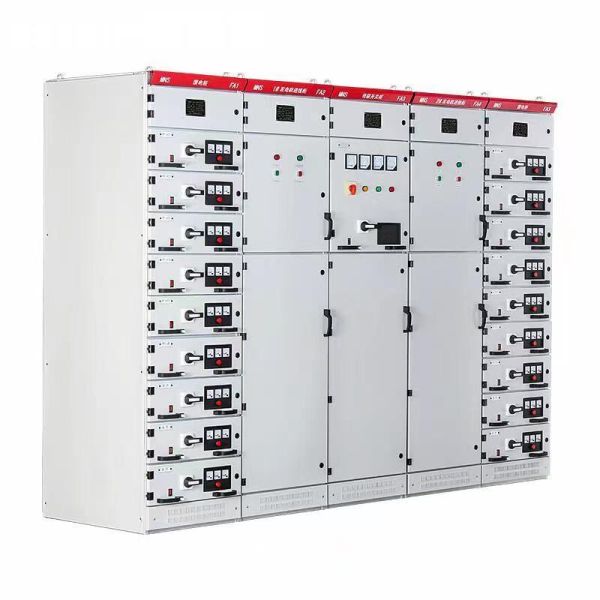
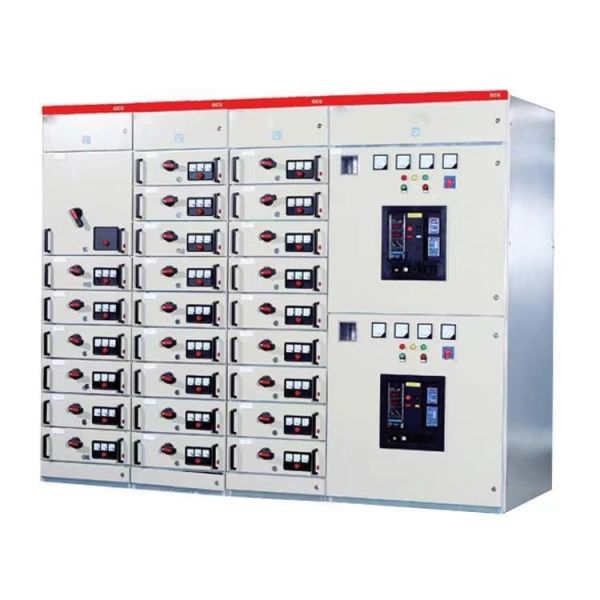
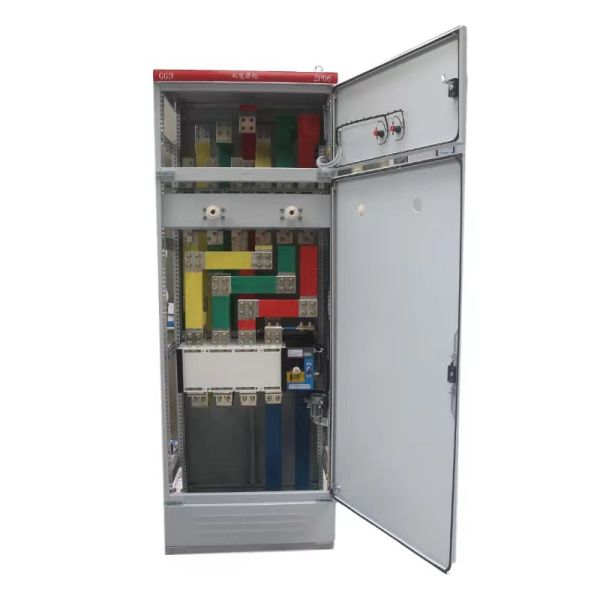
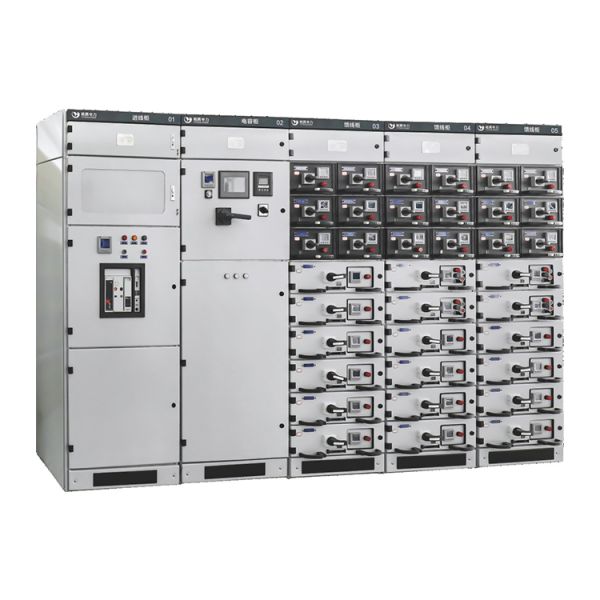
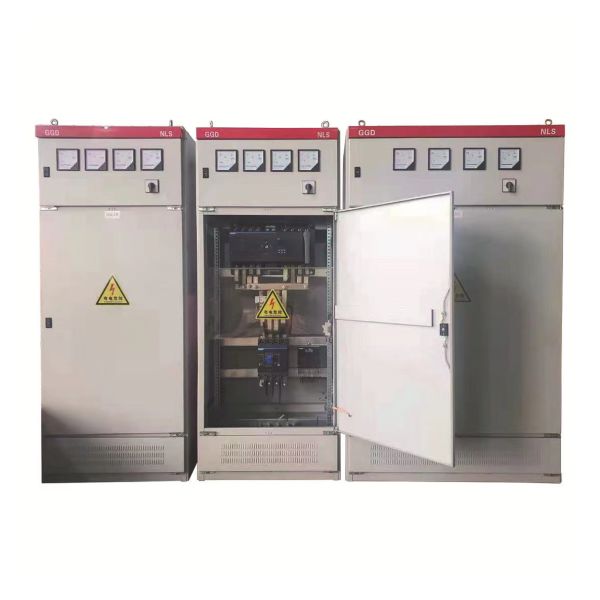
The GGJ Series Low-Voltage Reactive Power Intelligent Compensation Device is a highly efficient solution designed to optimize power factor and improve power quality in industrial and commercial distribution systems. By automatically switching capacitor banks in response to real-time load changes, the GGJ cabinet ensures that the power factor remains consistently high (typically above 0.95).
Equipped with an intelligent microcomputer controller, this device reduces reactive power loss, increases the available capacity of your transformers, and—most importantly—eliminates expensive power factor penalties from utility companies. It is an essential component for any facility using large inductive loads such as motors, compressors, and heavy machinery.
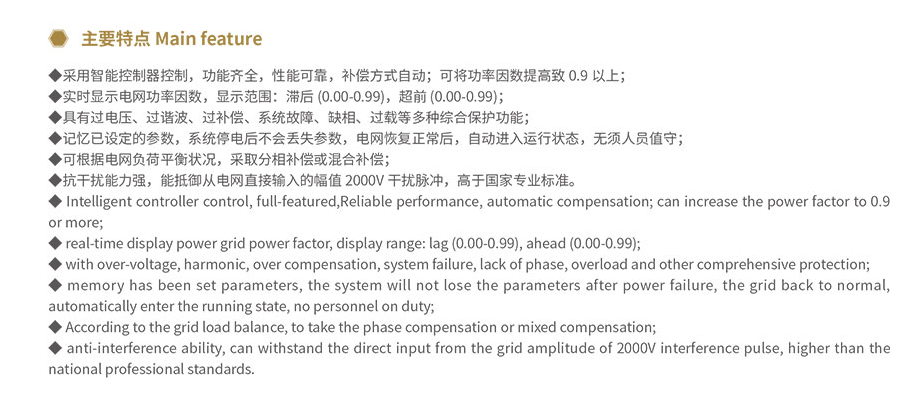
Intelligent Microcomputer Control: The built-in APFC controller monitors the grid’s voltage, current, and power factor. It uses an advanced algorithm to switch capacitor steps precisely, preventing both under-compensation and over-compensation.
Modular Capacitor Design: Utilizes high-quality self-healing cylindrical or box-type power capacitors. If a single module fails, the rest of the system remains operational, ensuring continuous compensation.
Harmonic Suppression (Optional): Can be equipped with detuned reactors (e.g., 7% or 14%) to protect capacitors from harmonic resonance in environments with high non-linear loads (VFDs, LED lighting, and UPS systems).
Zero-Cross Switching: Features specialized contactors or thyristor-based (static) switches that engage capacitors at the voltage zero-crossing point, eliminating inrush currents and extending the lifespan of the equipment.
Comprehensive Digital Display: Real-time monitoring of Cosφ, voltage, current, reactive power, and harmonic distortion (THD) via an intuitive LCD interface.
| Feature | Detailed Specifications |
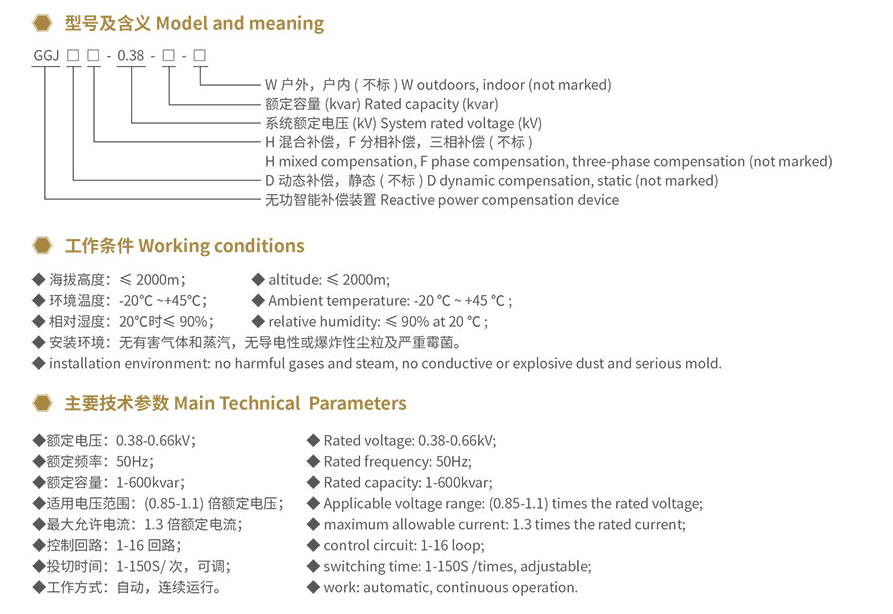
| Rated Voltage (Ue) | AC 380V / 400V / 415V / 660V |
| Compensation Capacity | 30kvar to 600kvar (Customizable) |
| Target Power Factor | 0.92 – 0.99 (Adjustable) |
| Response Time | Dynamic: < 20ms / Standard: 1s – 60s |
| Control Steps | 1 to 12 Steps (Up to 16 steps available) |
| Switching Element | Low-surge Contactors or Thyristor Modules |
| Enclosure Rating | IP30 / IP40 (Indoor Steel Cabinet) |
| Standard Compliance | IEC 61439-1/2, GB/T 15576 |
Industrial Manufacturing: Plants with heavy motor usage, such as cement, textile, and steel mills, to stabilize voltage and reduce energy costs.
Commercial Buildings: Shopping malls, hospitals, and office towers where high-density lighting and HVAC systems can lower the power factor.
Data Centers: Improving power density and reducing heat generation in the distribution network.
Water Treatment Facilities: Efficiently managing large-scale pumping stations and aeration blowers.
Energy Bill Reduction: Most industrial users see a Return on Investment (ROI) in less than 12–18 months through the elimination of utility surcharges.
Reduced Transformer Heat: By lowering the total current demand (kVA), the device allows your existing transformer to run cooler and support more active load.
Safety Protections: Integrated safeguards against over-voltage, under-voltage, over-current, and harmonic overload. The cabinet includes a forced-air cooling system to maintain optimal internal temperatures.
Rugged Construction: Built with 1.5mm–2.0mm cold-rolled steel and finished with anti-corrosive epoxy powder coating for long-term industrial use.
Q: What is the difference between contactor switching and thyristor switching?
A: Contactors are cost-effective for stable loads. Thyristors (Dynamic Compensation) are used for rapidly changing loads (like welding or elevators) because they can switch in milliseconds without mechanical wear or inrush current.
Q: Do I need reactors in my compensation cabinet?
A: If your facility uses Variable Frequency Drives (VFDs) or other electronics that generate harmonics, we highly recommend adding detuned reactors to prevent capacitor burnout caused by resonance.
Q: Can the capacity be expanded later?
A: Yes. Our cabinets are designed with modularity in mind. As long as there is physical space and busbar capacity, additional capacitor steps can be integrated into the system.

GGJ low-voltage reactive power intelligent compensation device adopts computer-aided design (CAD), introduces microcomputer control, implements intelligent tracking compensation for reactive power quantity, its structure is reasonable, widely used in low-voltage power grid, improves power factor, reduces reactive power loss, improves power supply quality, is a power-saving product. Dedicated for 130-600KVA three-phase transformer reactive power compensation.


|
Product name
|
GGJ Low voltage reactive power intelligent compensation device
|
|
Application
|
Widely used in low voltage network, improve power factor, reduce reactive power loss, improve the quality of power supply, is electricity saving products.
|
|
Place of origin
|
Zhejiang,China
|