Product Description
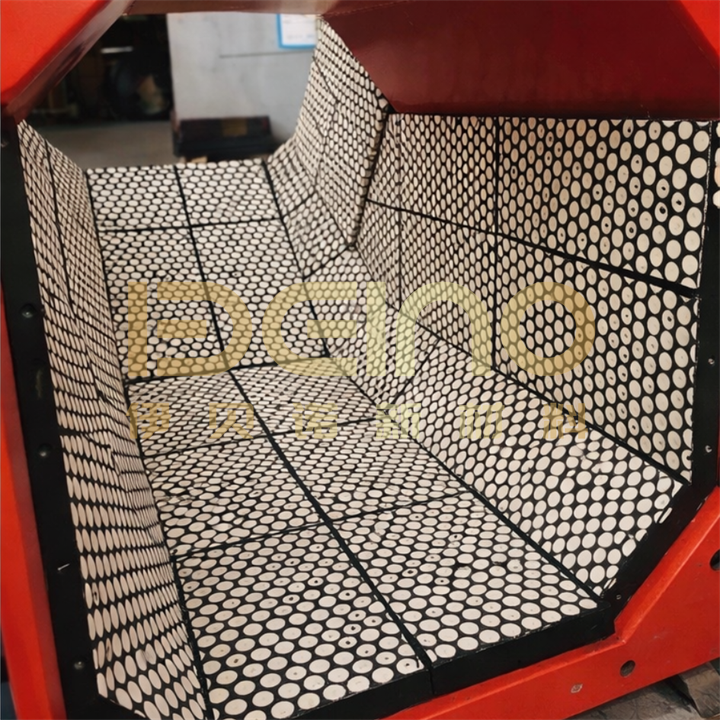
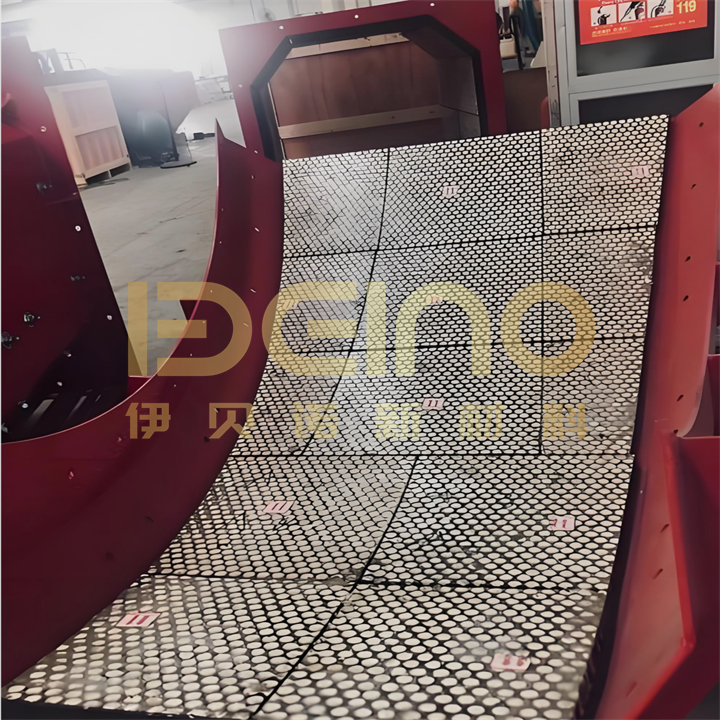
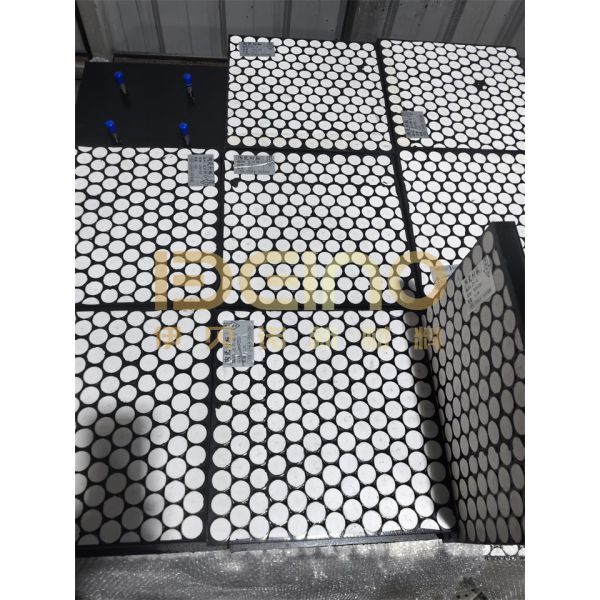
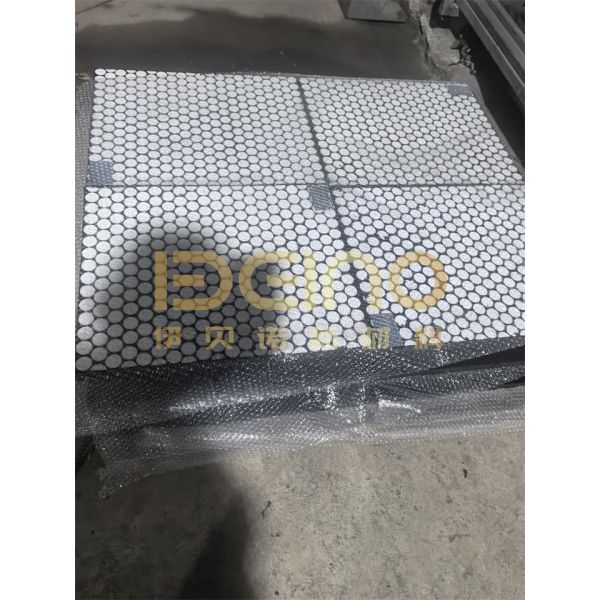
Ceramic Rubber Liner for Chute Wear Protection is a high-performance composite wear-resistant liner, which integrates toughened special wear-resistant ceramics, high-elasticity rubber, and steel plates through advanced hot vulcanization technology. This wear-resistant composite liner perfectly combines the ultra-high wear resistance of alumina ceramics, the excellent impact buffering and fatigue resistance of rubber, and the stable fixing and supporting performance of steel plates, forming a solid and reliable anti-wear protection layer for material conveying equipment. It can effectively solve the problems of equipment wear, material blocking, static electricity,y and high noise in harsh working conditions, greatly extend the service life of conveying equipment, and reduce maintenance costs significantly.
Alumina ceramic technical parameters
| Items |
Specifications |
| Content of alumina |
≥95% |
| Density |
≥3.8 g/cm3 |
| Rockwell A hardness |
≥85HRA |
| Impact strength |
≥1500 MPA |
| Fracture toughness |
≥4.0MPa·m1/2 |
| Bending Strength |
≥330MPa |
| Thermal conductivity |
20W/m.K |
| Thermal expansion coefficient |
7.2×10 6m/m.K |
| Volume wear |
≤0.02cm3 |
Rubber technical parameters
| Items |
Specifications |
| Pull-apart strength |
≥12MPa |
| Pull apart prolongation |
250% |
| Shore hardness |
55 65 |
| Permanent deform |
≤24% |
| The shared stress between the ceramic and rubber |
≥3.0MPa |
| Temperature resistance |
≤100℃ |
| The aging life of rubber |
≥15 years |
Core Advantages
Super Wear Resistance: The ceramic layer of the vulcanized liner is made of high-purity alumina corundum ceramic calcined at high temperature, with a Rockwell hardness of HRA≥88 and a Mohs hardness of 9, second only to diamond. Its wear resistance is 5-10 times that of traditional manganese steel liners and 10-15 times that of ordinary rubber liners, with a wear volume of ≤0.03 cm³. It can withstand long-term scouring and wear of hard materials such as ore, coal, and gravel in material conveying systems.
Excellent Impact Resistance: The special toughening formula of the ceramic layer avoids brittle fracture caused by material impact. The high-elasticity natural rubber layer of the composite liner can effectively absorb the impact force of falling materials, acting as a "shock absorber" to protect the ceramic layer and the equipment body. The combination of ceramic and rubber makes the vulcanized liner suitable for high-impact working conditions such as large material drops inthe mining and port industries.
Firm Bonding & Anti-falling: Advanced hot vulcanization technology ensures tight bonding between the ceramic, rubber, and steel plate of the liner, with a bonding strength of ≥4Mpa. The steel plate is equipped with countersunk bolts, which can be fixed by welding or nut connection, forming double insurance. Even under long-term heavy-load operation in harsh working conditions, it can effectively prevent the ceramic from falling off.
Anti-blocking & Anti-static: The smooth surface of alumina ceramic and elastic rubber layer can reduce material adhesion, effectively preventing material blocking in hoppers and chutes, and ensuring smooth material conveying. Meanwhile, the ceramic rubber vulcanized liner has good anti-static performance, which can avoid potential safety hazards caused by static electricity accumulation in flammable and explosive environments, such as coal mines.
Low Noise & Energy Saving: The rubber layer of the vulcanized liner can absorb equipment vibration and reduce noise generated by material impact and friction, creating a quieter working environment for industrial sites. The weight of the ceramic rubber liner is only 1/3 of that of the same-thickness manganese steel liner, which reduces the load of conveying equipment and achieves obvious energy-saving effects.
Customizable & Easy Installation: We provide customized ceramic rubber liners, which can be tailored in shape, size, thickness, and ceramic surface type (flat or spherical) according to specific equipment working conditions. The modular design of the liner allows quick installation and replacement. During maintenance, only local replacement is needed for heavily worn parts, which greatly saves manpower and time costs for customers.
Corrosion & Temperature Resistance: The main component of the ceramic layer is α-alumina, which has stable chemical properties and can resist acid and alkali corrosion (PH 3-12). The ceramic rubber vulcanized liner can work normally in the temperature range of -50℃ to 100℃, adapting to various harsh working environments in metallurgy, chemical, and other industries.
Applications
Rubber vulcanized liners are widely used in:
Ball mill liners & SAG mill liners
Chutes, hoppers, bins, and feeders
Mining and mineral processing equipment
Cement plant and power plant equipment
Conveying systems and anti-wear linings
Custom Rubber Lining Solutions
As a professional rubber vulcanized liner manufacturer, we provide customized rubber lining solutions according to customer drawings, equipment types, and working conditions. OEM & ODM services are available.
Why Choose Us
Experienced rubber liner manufacturer and exporter
Stable quality control system
Competitive factory direct price
Reliable delivery and technical support
FQA
Q1: What is a rubber vulcanized liner?
A1: A rubber vulcanized liner is a wear-resistant lining plate made from high-quality rubber through a vulcanization process. It is designed to protect industrial equipment from abrasion, impact, and corrosion.
Q2: What are rubber vulcanized liners used for?
A2:Rubber vulcanized liners are commonly used in ball mills, SAG mills, chutes, hoppers, bins, conveyors, and other mining and industrial equipment.
Q3: What are the advantages of rubber liners over steel liners?
A3:Compared to steel liners, rubber liners offer better wear resistance in wet conditions, lower noise levels, reduced vibration, lighter weight, and easier installation, resulting in lower maintenance costs.
Q4: How long does a rubber vulcanized liner last?
A4:The service life depends on working conditions such as material type, impact level, and operating hours. Under normal conditions, rubber vulcanized liners can last significantly longer than traditional metal liners.
Q5:Can rubber vulcanized liners be customized?
A5:Yes. Rubber vulcanized liners can be customized in size, thickness, hardness, rubber formula, and installation method according to customer requirements.
Q6: What installation methods are available for rubber liners?
A6:Common installation methods include bolt-on installation, adhesive bonding, or a combined method, depending on equipment structure and operating conditions.
Q7: Do you provide samples before bulk orders?
A7: Yes, samples are available for quality evaluation before bulk production. Sample policies may vary depending on product type and customization.
Q8: What information is needed to get a quotation?
A8:To provide an accurate quotation, we usually need drawings, line dimensions, working conditions, material type, and required quantity.