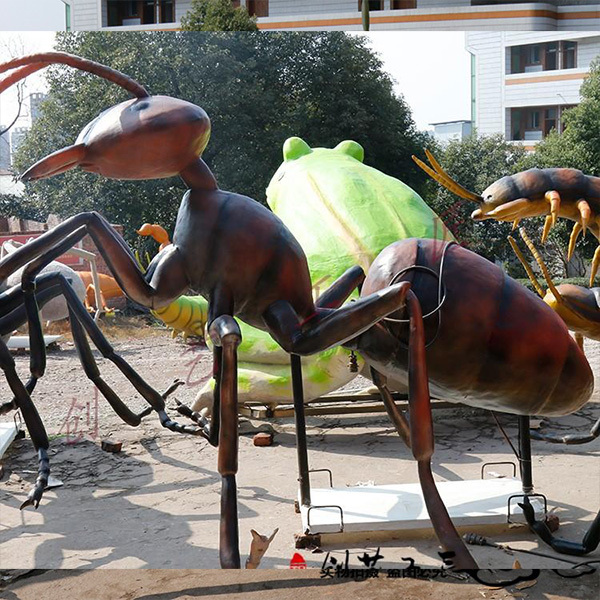
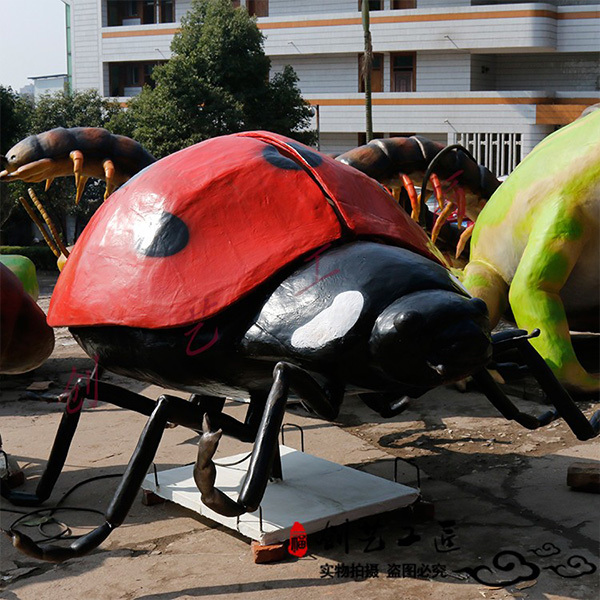
Outdoor Botanical Garden Giant Simulation Robot Insect Animatronic Model
Concept Overview
This is a specialized category of animatronics designed to blend art, nature, and technology in outdoor
botanical settings. These are weatherproof, durable, and ecologically-themed installations that enhance
garden experiences through surprising encounters with oversized robotic insects.
| Items | Parameters |
| Size | Lifesize |
| Movements | 1. Mouth open and close; 2. Head left to right; 3. Roaring |
| Control | Infrared Sensor |
| Material | 1. Rust-proof treated mechanical steel frame; DC motor(24V weak power, no harm to human body); 2. Surface material: high density foam, silicone rubber, etc. 3. Artificial fur |
| Power | 110v or 220V |
| Certificates | CE, ISO |
| Loading Port | Chengdu, Chongqing, Shanghai, Guangzhou, Shenzhen, Ningbo |
| Transportation | By Sea, Railway, Air |
| Warranty | 12 months |
Certificates

Product Showcase


Core Design Philosophy: Harmony with Nature
1. Botanical Integration
beetles for forested areas).
-
Natural Camouflage: Colors and textures that complement surroundings without dominating them.
-
Interactive Flora: Some models interact with real plants—a robotic bee "pollinating" a sculpture flower,
a mantis "hiding" in foliage.
2. Educational Narrative
-
Life Cycle Stations: Multiple models showing different stages (larva, pupa, adult).
-
Ecosystem Roles: Highlighting insects as pollinators, decomposers, or predators.
-
Scale Comparison: Nearby plaques showing actual-size silhouettes.
Botanical Garden Application Examples
Thematic Storytelling Opportunities
1. "Giants of the Garden" Trail
A self-guided tour featuring 8-12 giant insects placed throughout the garden, each with a specific ecological lesson.
2. Seasonal Exhibitions
-
Spring: Emerging insects, pollination focus
-
Summer: Nocturnal insects, evening programs
-
Autumn: Migratory insects, preparation for winter
-
Winter: Dormant insects with explanatory covers showing internal mechanisms
3. Special Events
-
"Moth Night" with glowing installations
-
"Bug Fest" with interactive demonstrations
-
Photography contests with the animatronics as subjects
-
Educational workshops on robotics and entomology
Success Metrics for Botanical Gardens
-
Increased visitation and extended dwell time
-
Educational program enrollment growth
-
Social media engagement and photo sharing
-
Membership renewals and new sign-ups
-
School group tour requests
-
Donor interest in sponsoring additional installations
Conclusion
Outdoor botanical garden animatronic insects represent a unique intersection of art, education, and engineering.
When successfully executed, they:
1. Create "wow" moments that make gardens memorable
2. Serve as year-round attractions beyond bloom seasons
3. Provide accessible entomology education for all ages
4. Demonstrate sustainable technology in natural settings
5. Become signature pieces that define a garden's identity
The most successful installations are those that feel organic to their environment—surprising visitors with life-like
motion while teaching them about the essential, often overlooked, insect world that sustains the very gardens they're
walking through.