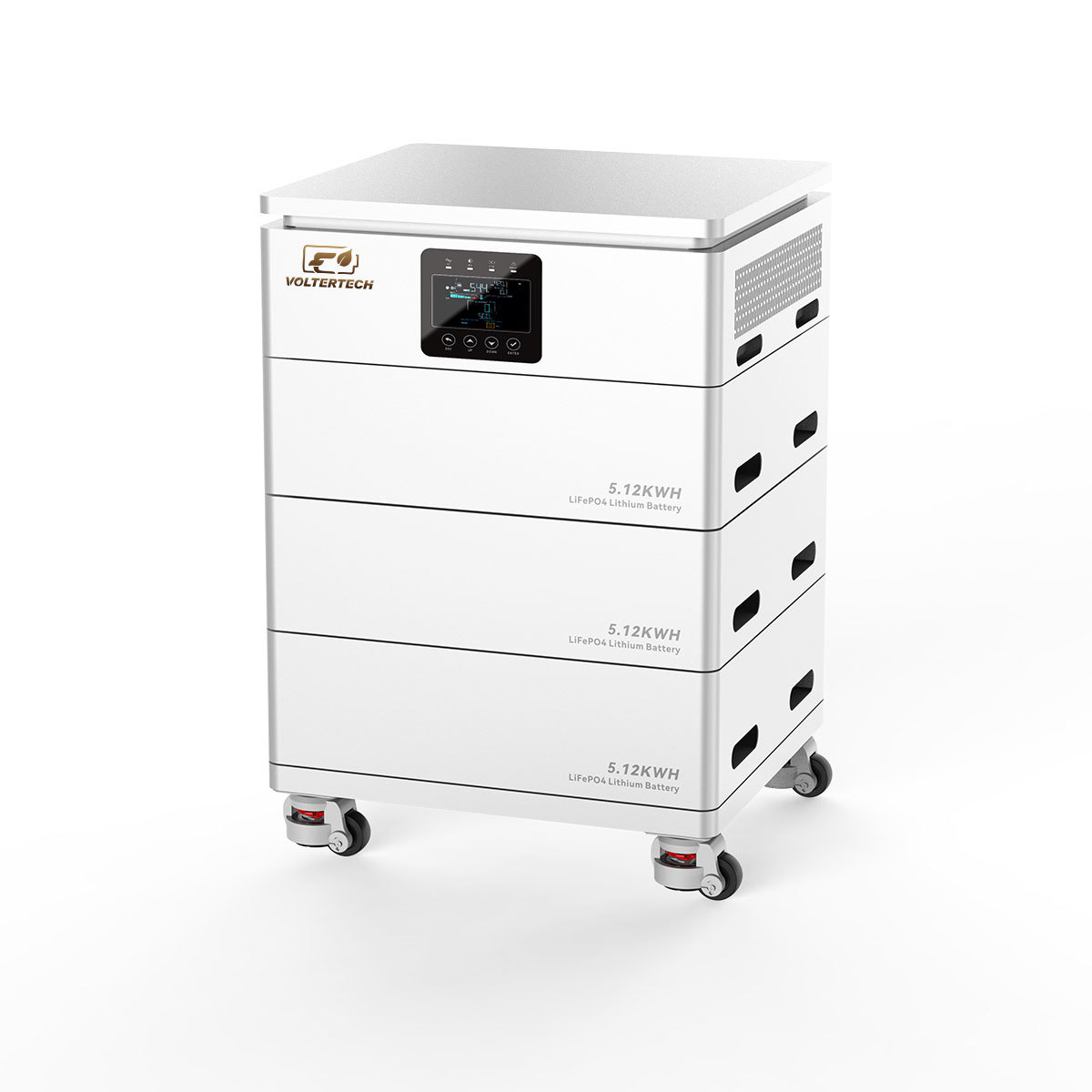
15.36kWh 11kW All in One Energy Storage System with Dual MPPT Solar Input
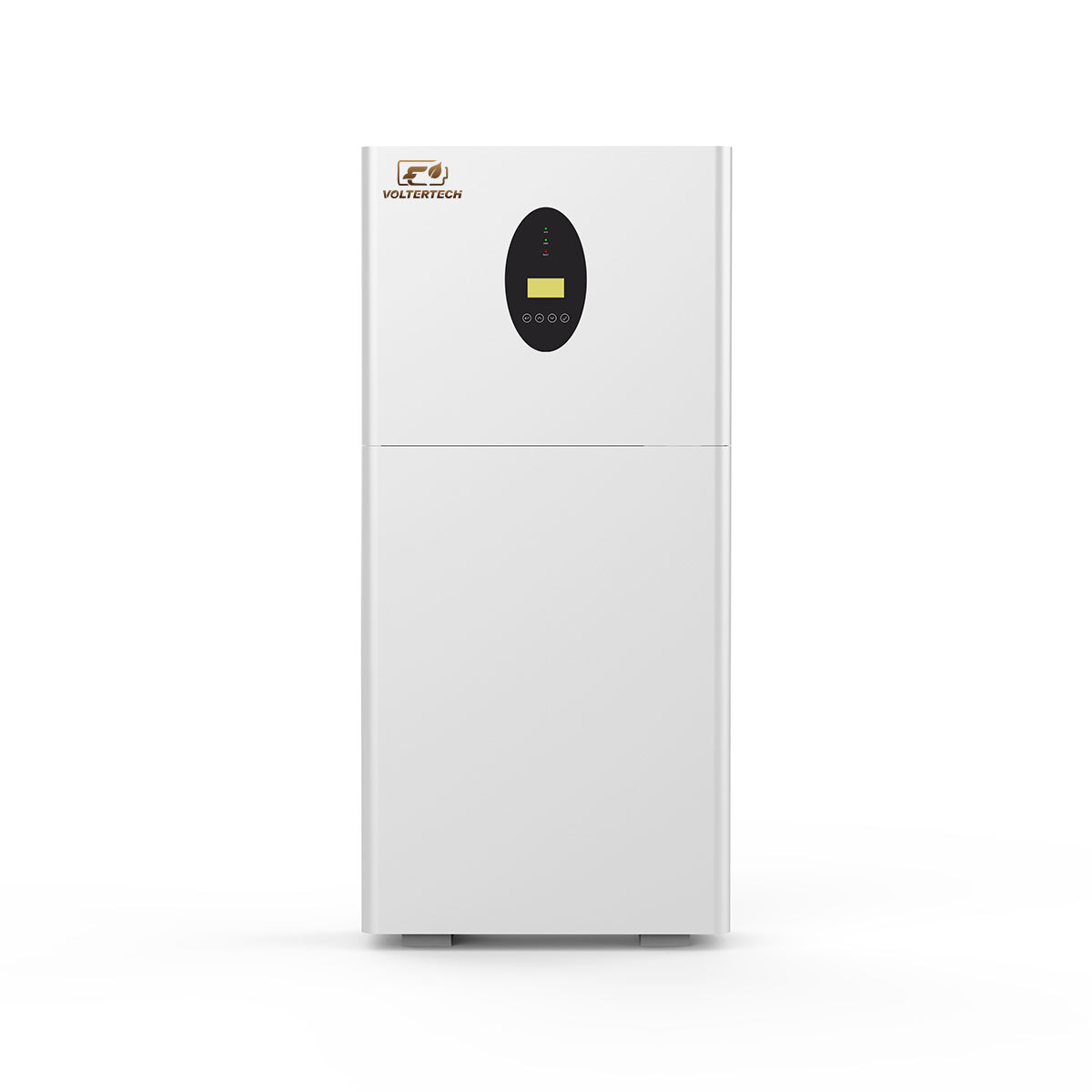
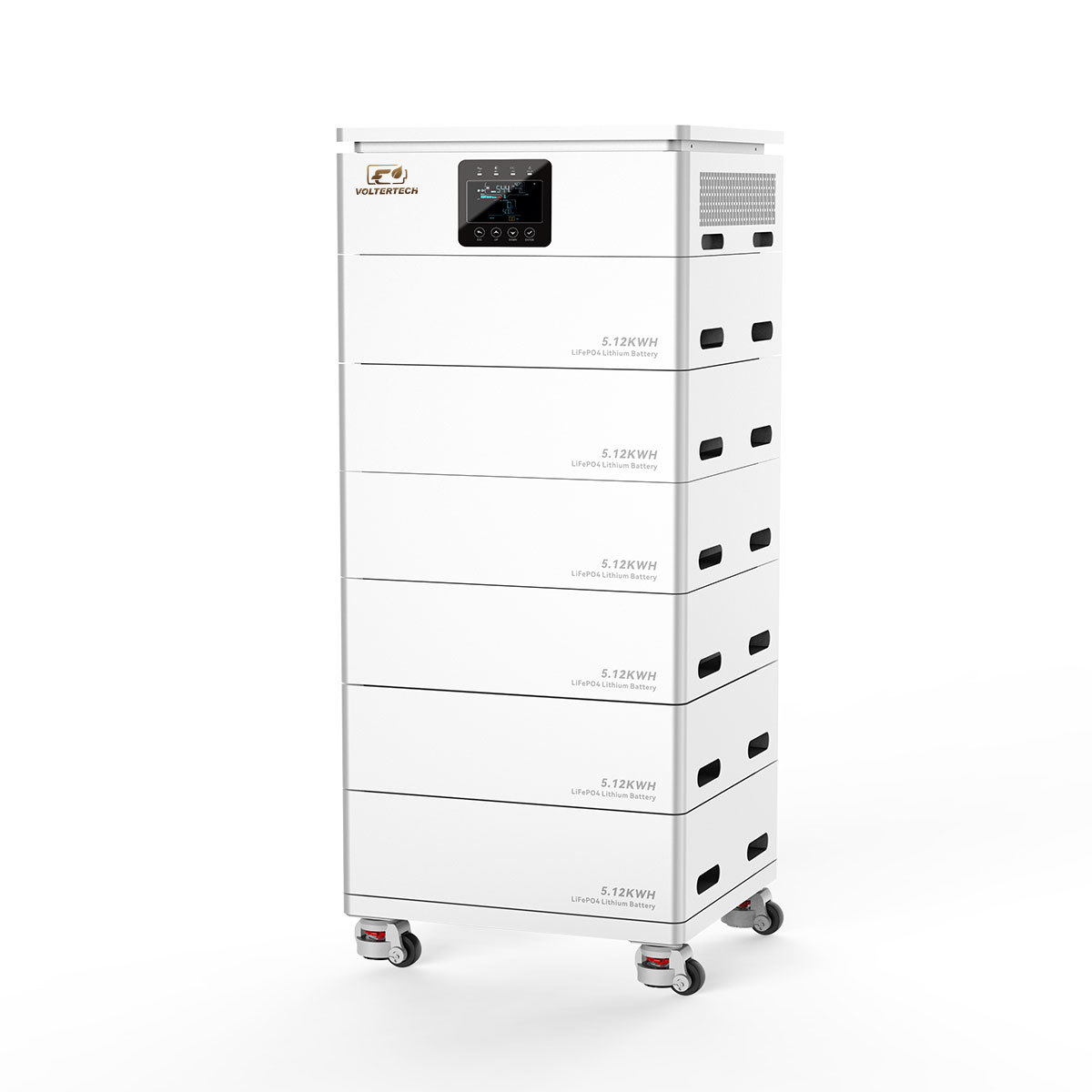
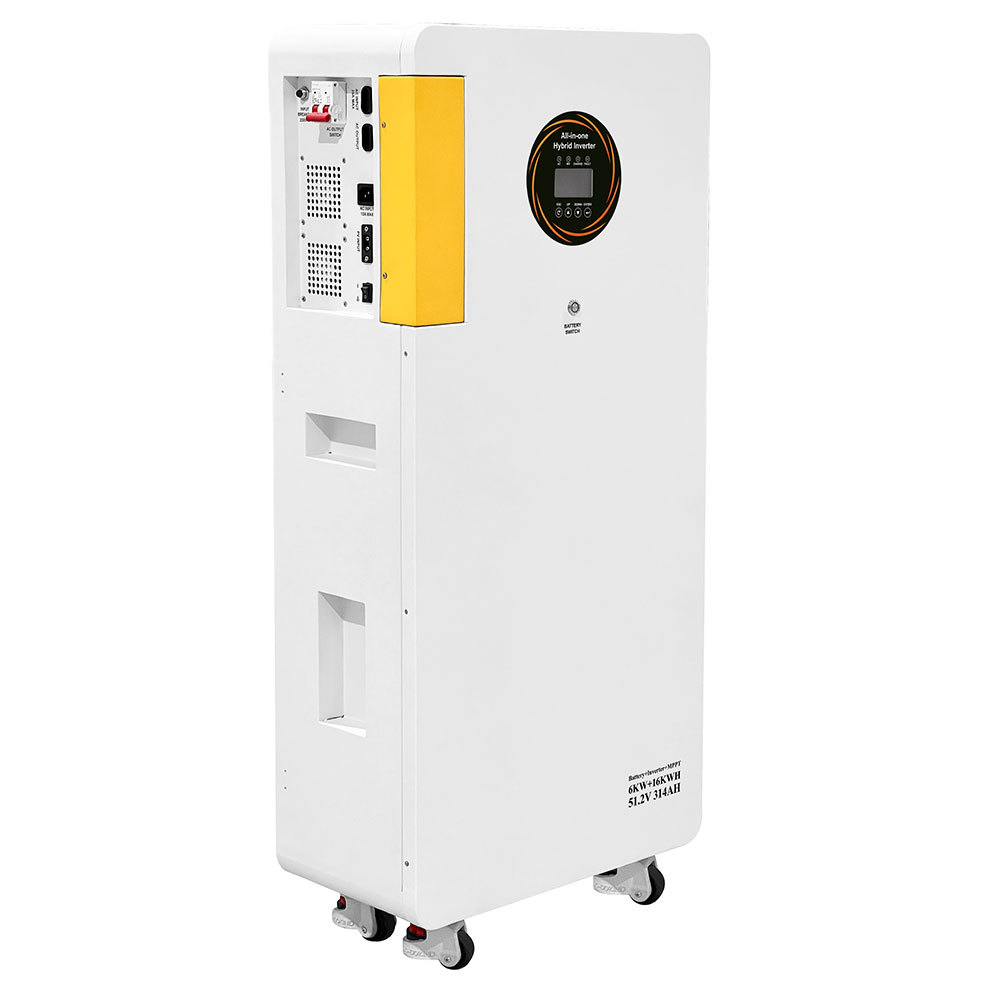
This all in one energy storage system combines a 15.36kWh LiFePO4 battery, an 11kW inverter and dual-channel solar input within one floor-standing cabinet. It is designed for residential, farm, office, retail and small business projects that require higher output power and a substantial stored-energy reserve.
The integrated structure reduces the need to select a separate battery cabinet and inverter enclosure. Project design must still consider the photovoltaic array, AC distribution, load priorities and external electrical protection.
The system provides 11,000W of rated AC power and a listed peak output of 22,000VA. It can be evaluated for projects operating multiple household or light commercial loads, including lighting, refrigeration, office equipment, communications and compatible motor-driven equipment.
The peak value is intended for temporary startup demand and is not continuous output power. Pumps, compressors, air-conditioning equipment and other motors should be checked according to both their running power and starting requirement.
AC output options are listed as 220V, 230V or 240V. The project’s local voltage standard and connected equipment should be confirmed before ordering.
The photovoltaic section supports two solar input channels, with up to 5,500W listed for each channel. This provides a combined PV input configuration of up to 11kW when both channels are correctly designed.
The MPPT operating range is 90–500Vdc, and the maximum MPPT input voltage is 500Vdc. Each PV string must be calculated from module voltage, series quantity and temperature coefficient so that open-circuit voltage remains within the supported limit.
The two channels can support separate PV string planning when roof orientation, module quantity or installation layout differs between array groups.
The integrated LiFePO4 battery provides 15.36kWh of nominal stored energy. It can retain daytime solar production for evening consumption or maintain a planned reserve for selected circuits when the normal AC source is unavailable.
Battery capacity and inverter output serve different purposes. The 11kW inverter rating determines simultaneous load capability, while the 15.36kWh battery rating influences the potential operating period.
Actual energy available to AC equipment varies with inverter efficiency, load conditions, battery settings and the reserve retained by the system.
An LCD provides local access to supported operating information, while WiFi is listed as an optional monitoring function. The required monitoring configuration should be confirmed during quotation.
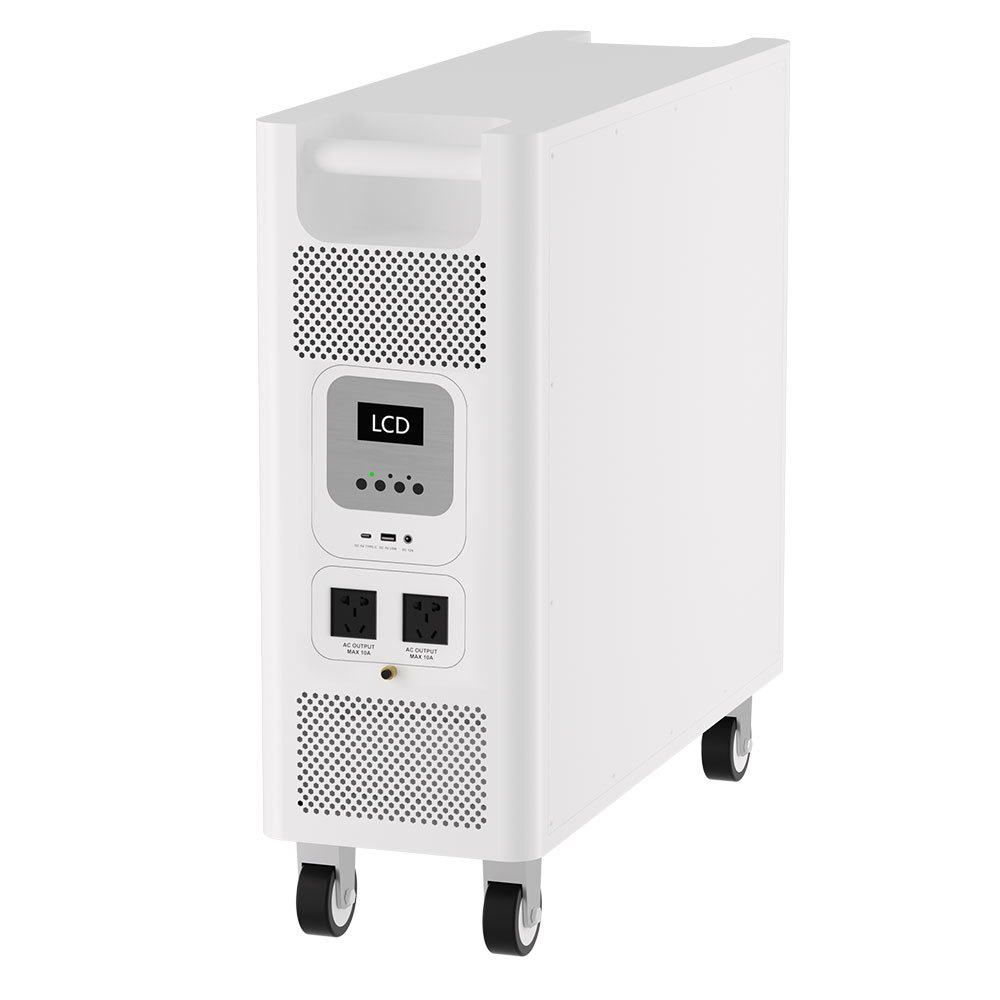
Auxiliary outputs include a 12V 3A DC port, a 5V 2.4A USB output and a 5V 2.4A Type-C output. These connections are intended for compatible low-power devices and do not replace the main AC output.
The product information also lists short-circuit, temperature, charging-overvoltage, discharge-undervoltage and overcurrent protection functions.
| Battery Capacity and Chemistry | 15.36kWh / LiFePO4 |
| Rated and Peak Output | 11000W Rated / 22000VA Peak |
| AC Input Range | 195–253Vac ±3V |
| AC Output Voltage | 220 / 230 / 240Vac |
| Rated Battery Input Platform | 48Vdc |
| PV Input Configuration | 5500W × 2 Channels Maximum |
| MPPT Voltage Range | 90–500Vdc / 500Vdc Maximum Input |
| Auxiliary DC Outputs | 12V 3A DC / 5V 2.4A USB / 5V 2.4A Type-C |
| Dimensions, Weight and Display | 780 × 260 × 950mm / 145kg / LCD / Optional WiFi |
No. Continuous output is rated at 11,000W, while the higher value is intended for temporary startup demand.
Each channel should use a PV string that remains within the 90–500Vdc MPPT range and the stated 5,500W channel limit.
Yes. The cabinet combines the 15.36kWh battery and 11kW power-conversion section, while solar panels and AC distribution equipment are selected separately.
They provide power for compatible low-voltage and USB devices within their listed voltage and current limits.
WiFi is listed as optional. The required monitoring configuration should be confirmed before production.
Send the load schedule, motor startup demand, PV module data and required backup period. We will review whether the inverter power, battery capacity and dual-channel PV input match the project.