1. What is a Smart Modular Data Center? What is its fundamental difference from a traditional data center?
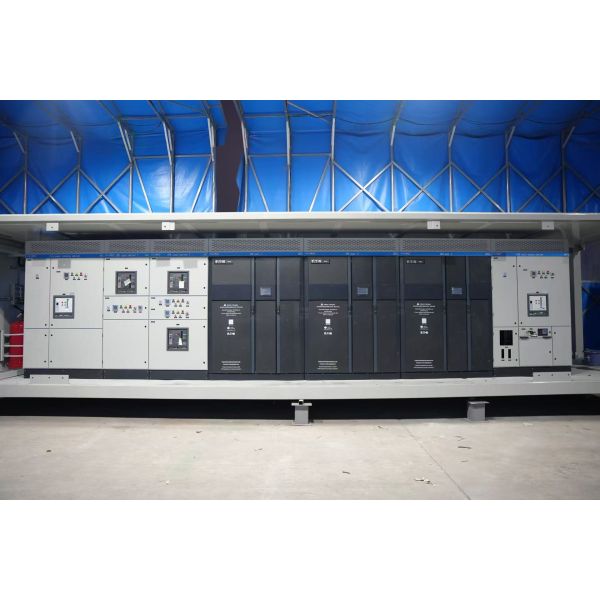
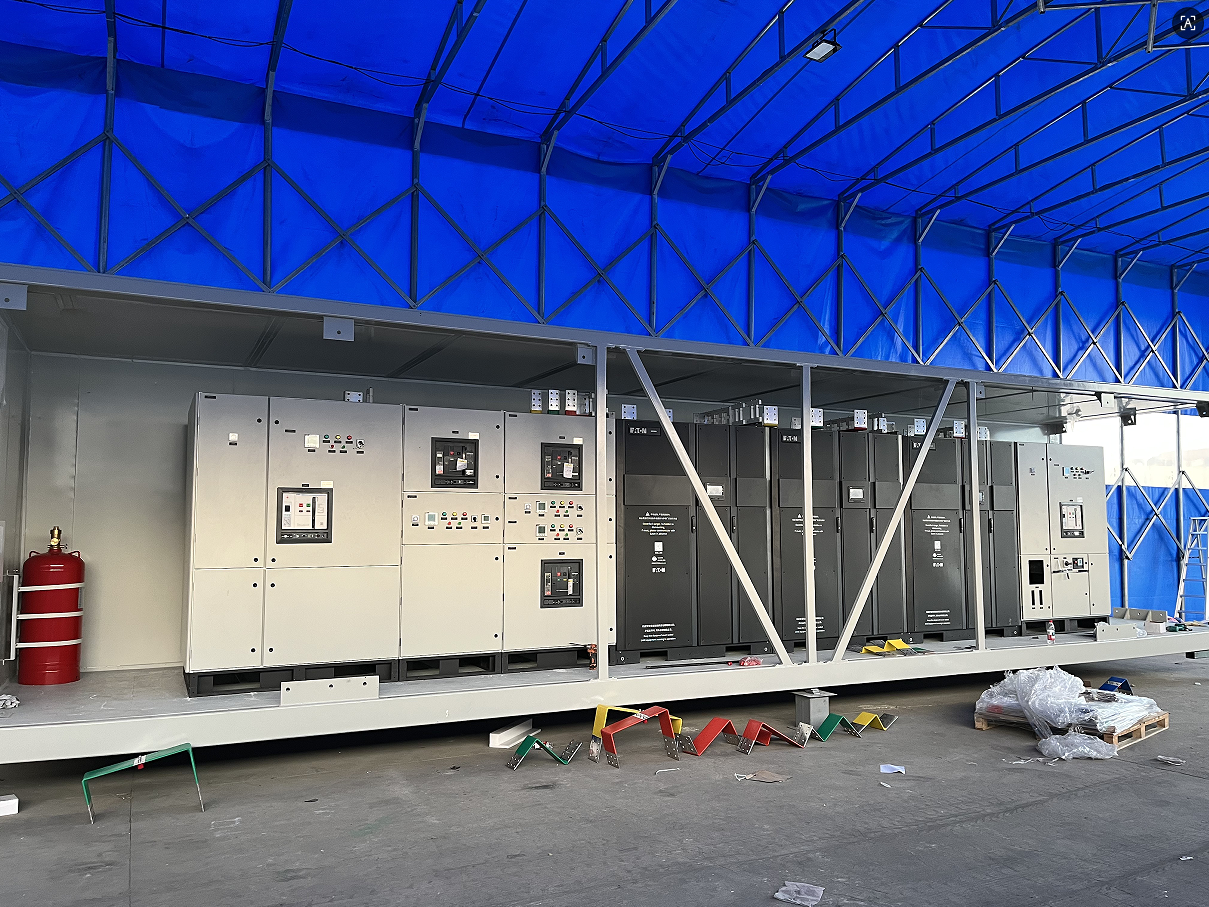
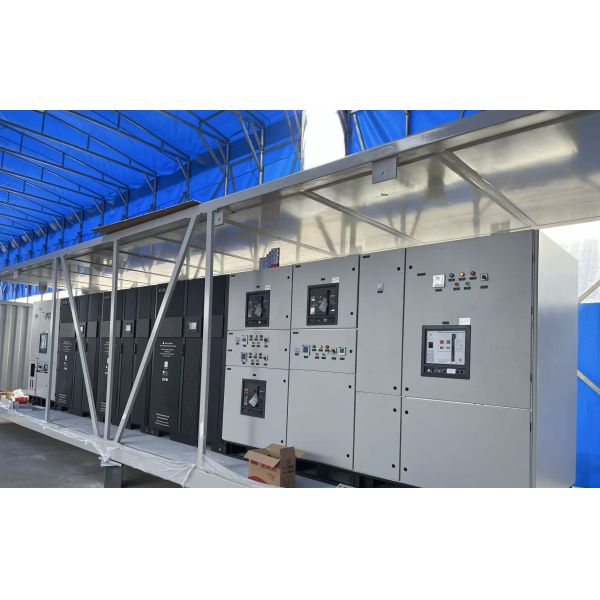
A smart modular data center is an integrated solution that consolidates subsystems—including cabinets, power distribution, cooling, fire suppression, and environment monitoring—into one or two rows of cabinets.
Traditional Data Center: Like "building a house on-site." Equipment from various manufacturers is pieced together, requiring massive engineering work, long construction cycles (typically 3 to 6 months), and resulting in higher PUE (Power Usage Effectiveness).
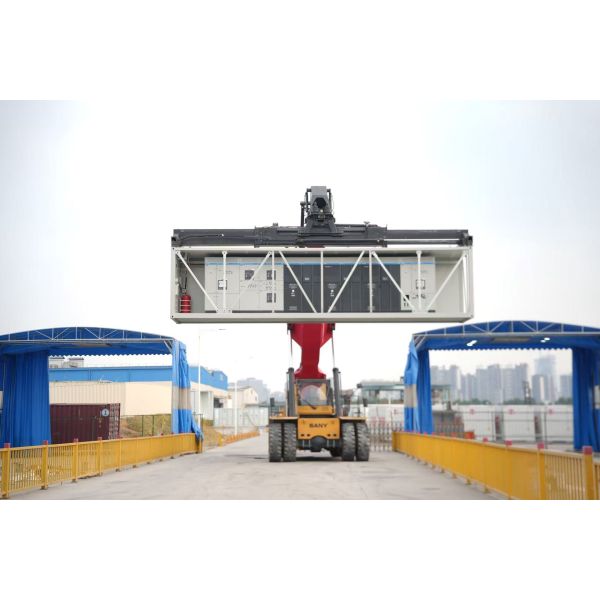
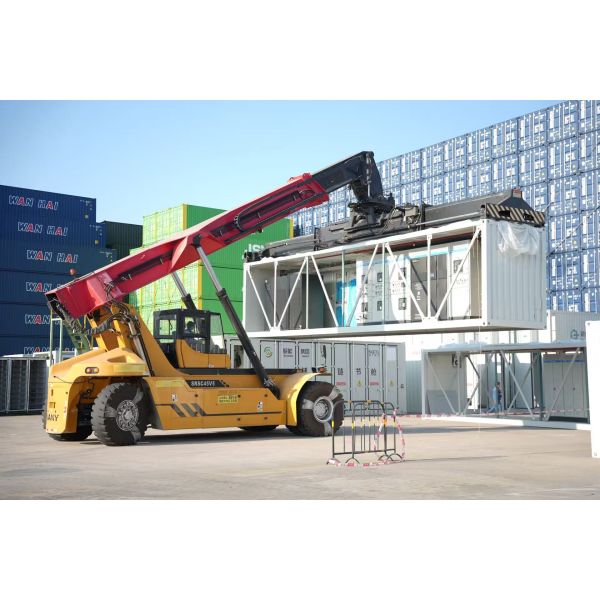
Modular Data Center: Like "building with Lego blocks." Features full factory pre-fabrication and rapid on-site assembly, enabling delivery in as fast as 1 to 2 weeks. By utilizing contained aisles and in-row air conditioners, cooling efficiency is extremely high, significantly reducing operational electricity costs.
2. How can I simply explain the value of "Aisle Containment" and "In-Row Air Conditioning"?
Traditional data centers utilize "room-level cooling," where the air conditioner blows cold air across the entire large room—similar to turning on home AC with all doors wide open, which incurs exorbitant electricity bills.
Modular data centers feature "precision cooling." In-Row Air Conditioning places AC units right next to servers, blowing cold air at close range. Aisle Containment completely segregates cold air from hot air exhausted by servers (creating Cold Aisle Containment). This ensures 100% of cold air flows through servers without wasting electricity, helping cut data center AC-specific electricity bills by approximately 30% to 40%.
3. Should we generally recommend Cold Aisle Containment (CAC) or Hot Aisle Containment (HAC)? How should the customer choose?

Cold Aisle Containment (CAC - Most Common): The aisle between two rows of cabinets is sealed as the cold zone. In-row air conditioners blast cold air into this contained aisle, and servers draw cold air from it. Advantages: Low requirements for overall data center room environment. Suitable for vast majority of newly built or retrofitted data centers.
Hot Aisle Containment (HAC): Hot air exhausted from rear of cabinets is sealed within contained aisle and channeled back to AC through dropped ceiling or return air ducts. Advantages: Cooling efficiency is theoretically higher than CAC. Disadvantages: Requires entire large room to be kept at low temperature and certain ceiling height, making it ideal for large or hyperscale data centers.
4. Is the Dynamic Environment Monitoring System (EMS) just a minor add-on in a modular data center? Is it truly necessary?
Absolutely not a minor add-on; the environment monitoring system is the "brain" of the modular data center. In traditional data centers, monitoring is fragmented across scattered systems. In modular data centers, monitoring features system-level orchestration and linkage.
Real-World Scenario: When building's fire alarm system detects fire signal, monitoring system instantly and automatically releases modular data center's overhead roof panels, allowing external fire suppression gas to flood the aisle and extinguish fire. Concurrently handles audio-visual alarms, mobile APP push notifications, and outlet-level/rack-level PDU power monitoring—making it the absolute core for ensuring safety of unmanned, lights-out data centers.
5. What services can we provide?
Accepted Delivery Terms: FOB, CFR, CIF, EXW, FAS, CIP, FCA, CPT, DEQ, DDP, DDU, Express Delivery, DAF, DES
Accepted Payment Currency: USD, EUR, JPY, CAD, AUD, HKD, GBP, CNY, CHF
Accepted Payment Type: T/T, L/C, D/P D/A, MoneyGram, Credit Card, PayPal, Western Union, Cash, Escrow
Language Spoken: English, Chinese, Spanish, Japanese, Portuguese, German, Arabic, French, Russian