Energy-Efficient Venlo Glass Greenhouse for Pepper Hydroponics
| Attribute |
Value |
| Foundation |
Concrete Or Steel Base |
| Type |
Greenhouse |
| Advantage |
Good insulation in winter |
| Irrigation System |
Drip Irrigation |
| Color |
Transparent |
| Structure |
Venlo Type |
| Growing Method |
Hydroponic System |
| Ventilation System |
Side Ventilation |
| Frame Material |
Aluminum |
| Control System |
Computerized |
| Produce Time |
Within 30 days |
| Frame |
Hot galvanized steel pipe |
| Roof Height |
4 to 8 meter |
| Covering Material |
Glass |
| Snow Load |
0.25KN/m2 |
Introduction
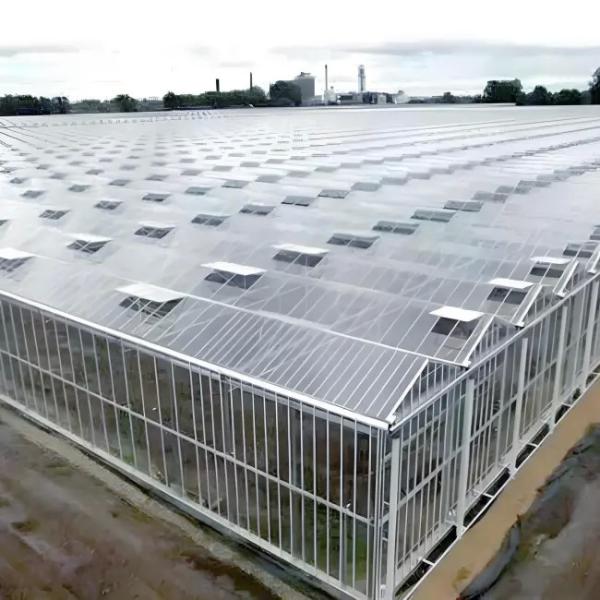
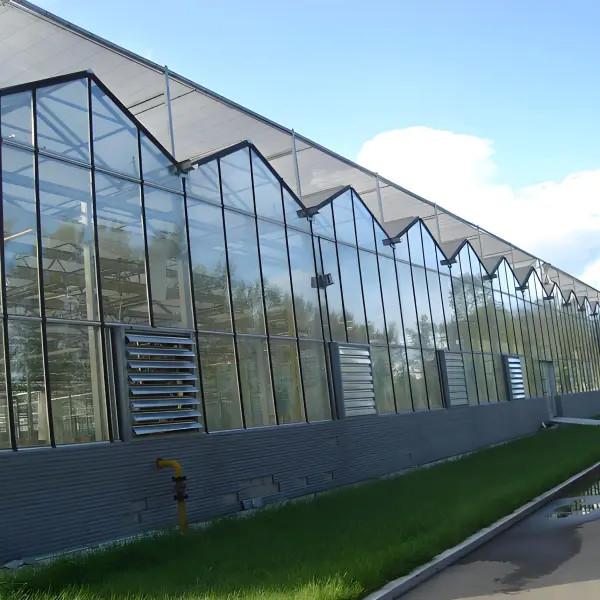
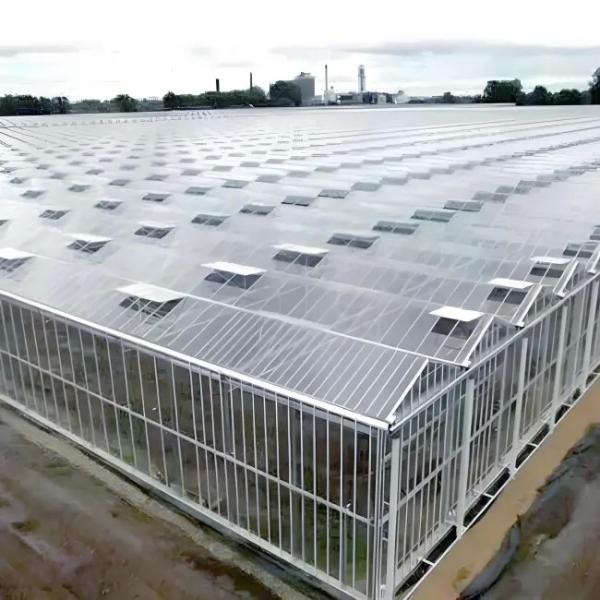
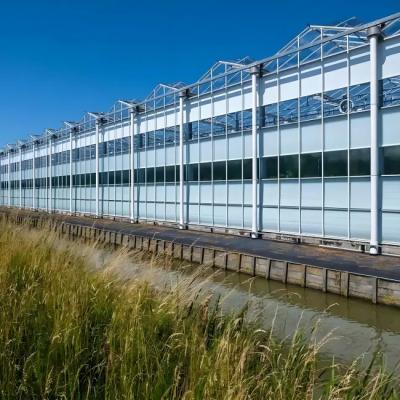
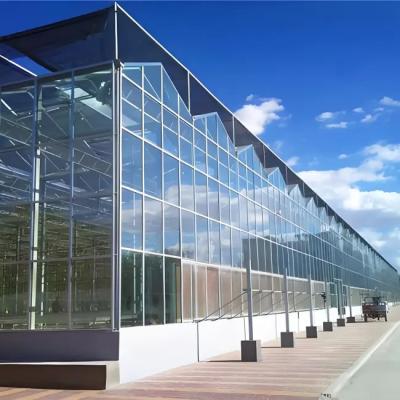
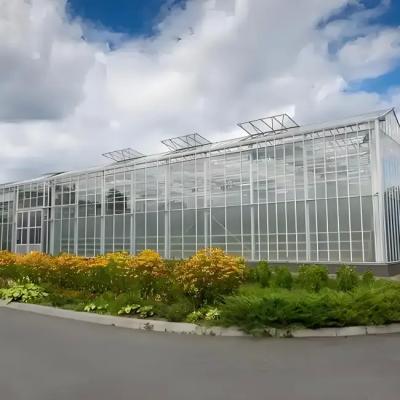
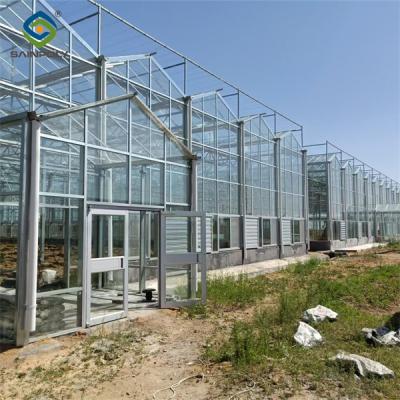
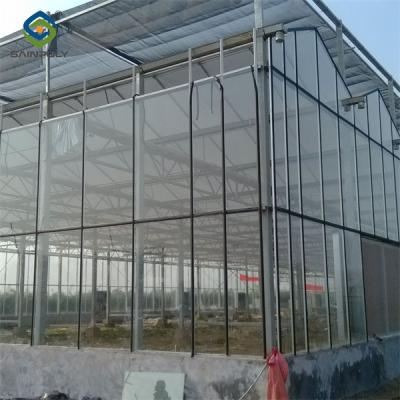
The Venlo-type glass greenhouse retains the same modular, gable-roofed Venlo design but uses high-quality glass (often tempered or float glass) as the covering. Its defining characteristics and advantages are:
- Optimal Light Transmittance: Glass provides exceptional clarity with light transmittance up to 95%, maximizing sunlight penetration—critical for high-light-demand crops like tomatoes, peppers, and roses, which thrive on intense, direct light.
- Long-Term Clarity & Maintenance: Glass has a smooth, non-porous surface that resists dirt, algae, and chemical buildup. This ensures consistent light transmission over time, requiring less frequent cleaning compared to PC boards.
- Structural Stability: Glass is rigid and robust, offering strong resistance to environmental stressors. It pairs well with large-scale Venlo designs, supporting extensive commercial operations where durability and longevity are priorities.
- Chemical Resistance: Glass is inert and unaffected by pesticides, fertilizers, or high humidity, making it ideal for environments with frequent chemical applications or high-moisture crops.
Support Systems
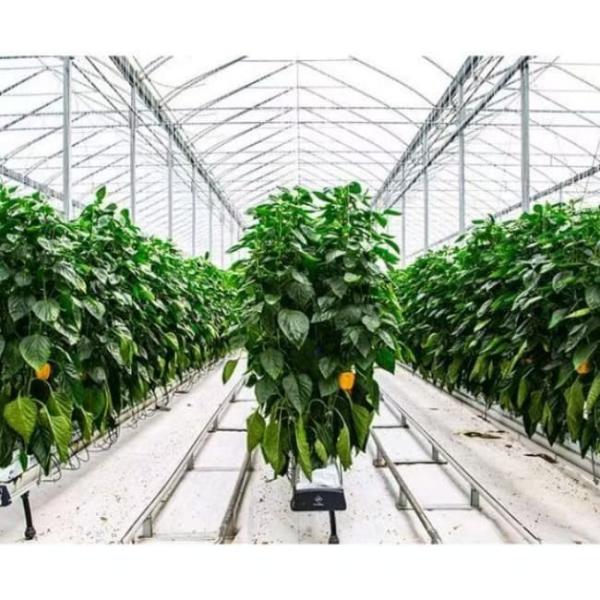
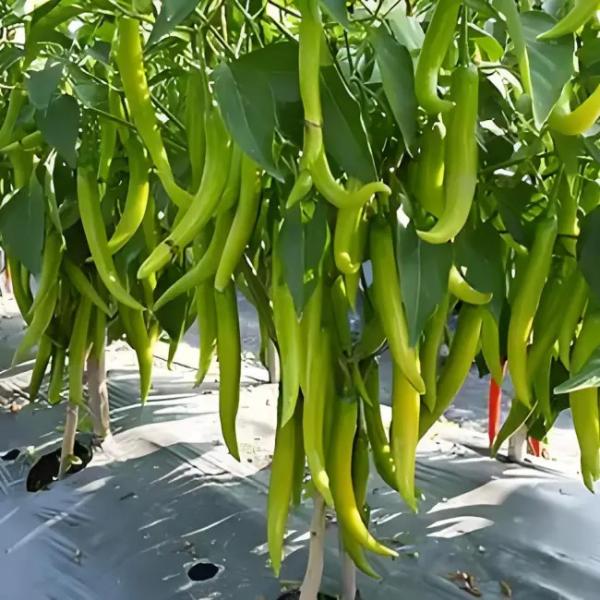
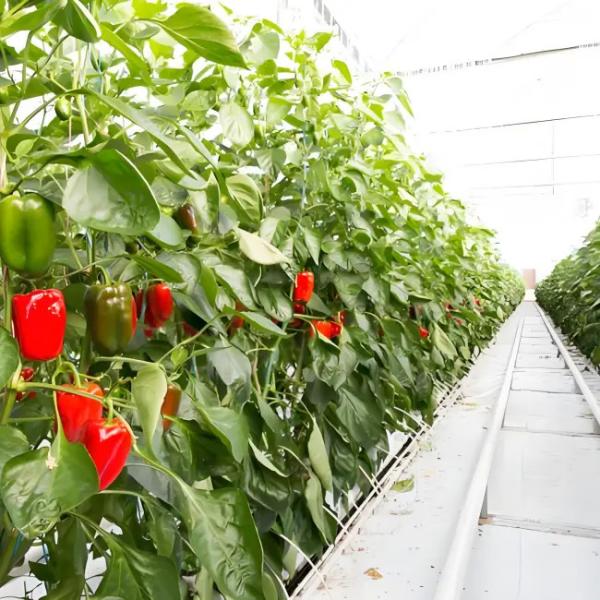
- Optimal Nutrient Uptake: Precise control over nutrient concentrations ensures peppers get balanced minerals (e.g., nitrogen, potassium) exactly when needed, boosting growth rate and fruit size uniformity.
- Reduced Disease Risks: No soil minimizes soil-borne pathogens (like root-knot nematodes) and fungal infections, lowering pesticide use and keeping plants healthier.
- Water Efficiency: Recirculating systems reuse nutrient solutions, cutting water consumption by 70-80% compared to soil farming, ideal for water-scarce areas.
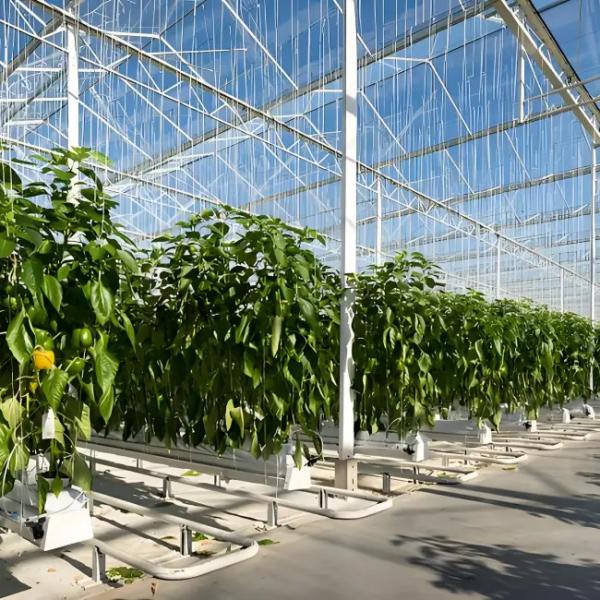
- Space & Yield Benefits: Adaptable to vertical or greenhouse setups, maximizing space use. Steady growing conditions often increase yields by 20-30% vs. soil cultivation.
- Simplified Management: Automated systems regulate pH, temperature, and nutrient delivery, reducing labor and ensuring consistent growth—key for commercial production.