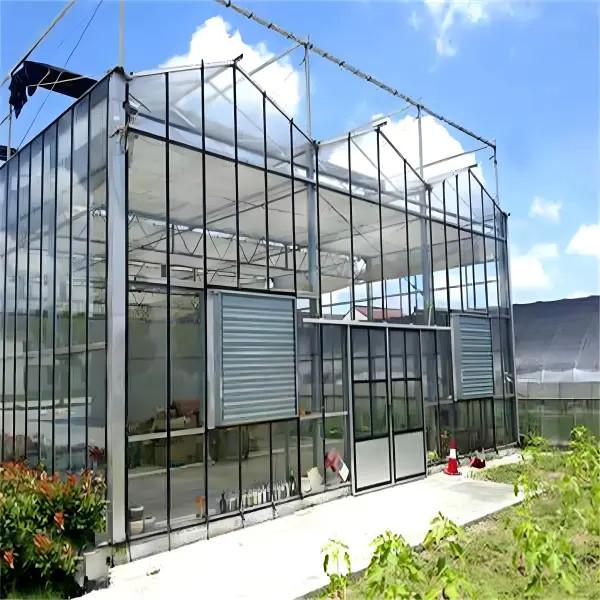
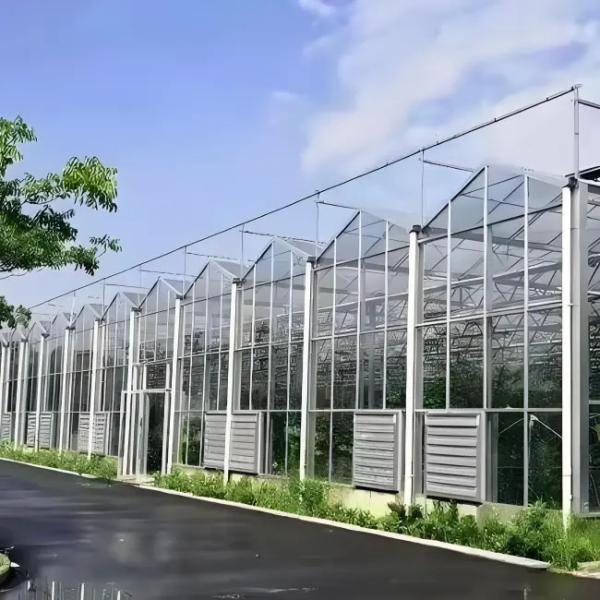
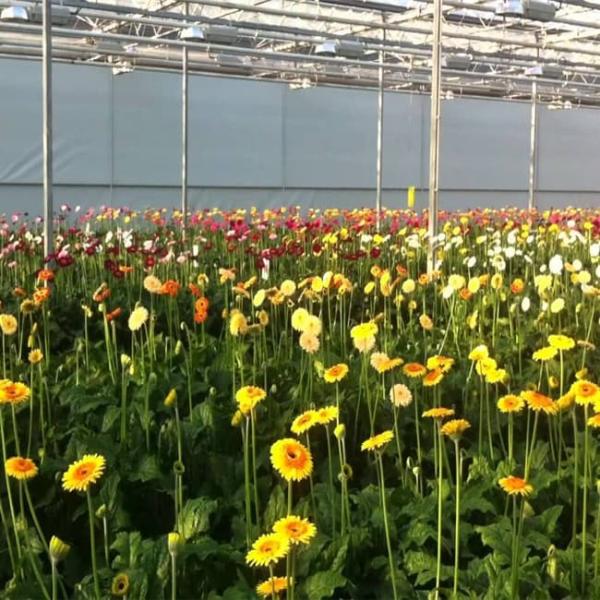
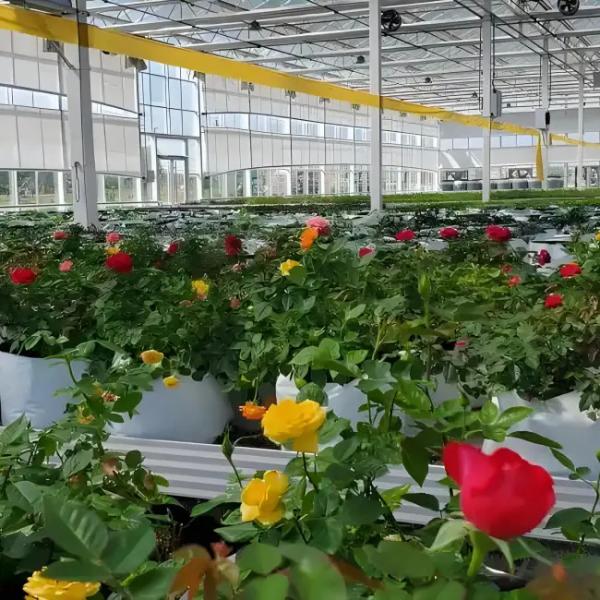
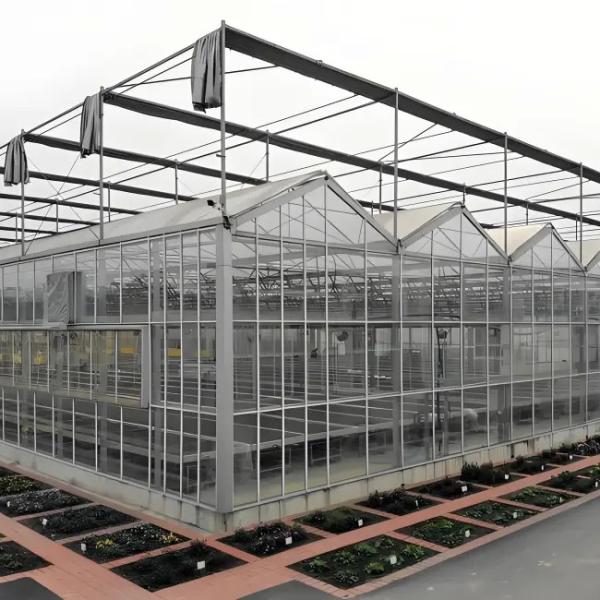
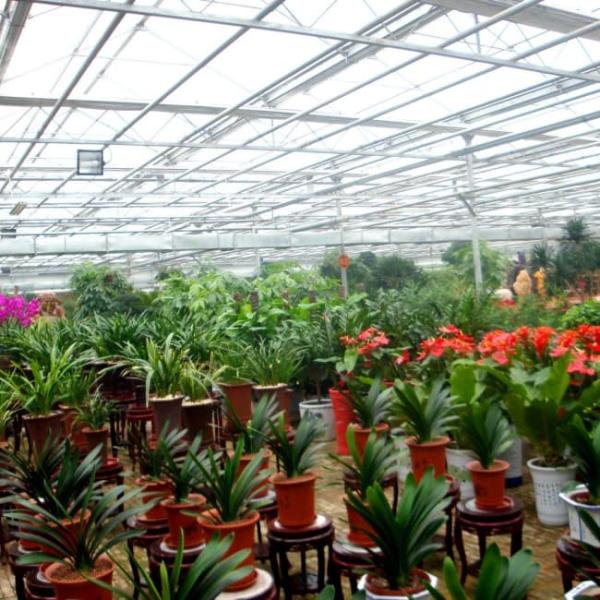
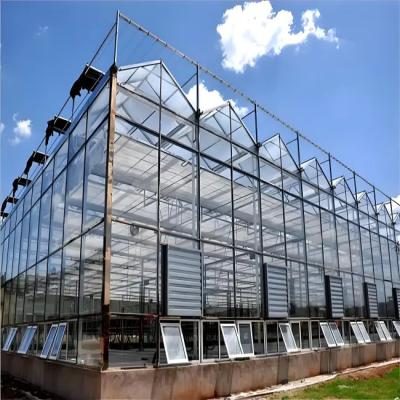
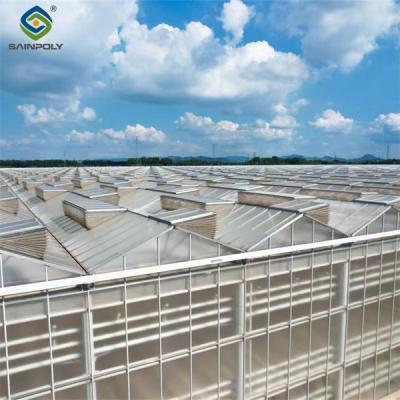
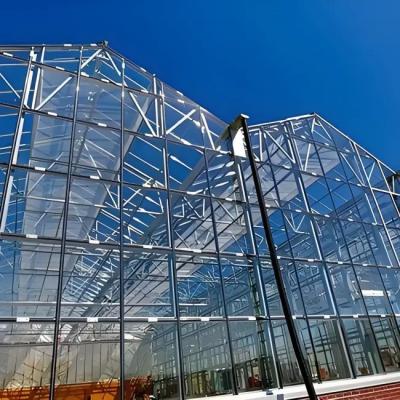
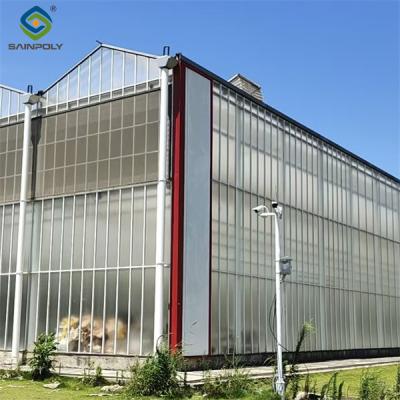
Modern Venlo Glass Greenhouse for Gerbera Daisy Cultivation
Product Specifications
| Attribute |
Value |
| Heating System |
Hot Water Heating |
| Width |
9-12meter (Classic width 9.6m) |
| Span |
6.0~12.0m (customization) |
| Ventilation System |
Side Ventilation |
| Top Height |
4.5m- 8m |
| Foundation |
Concrete/Steel |
| Cooling System |
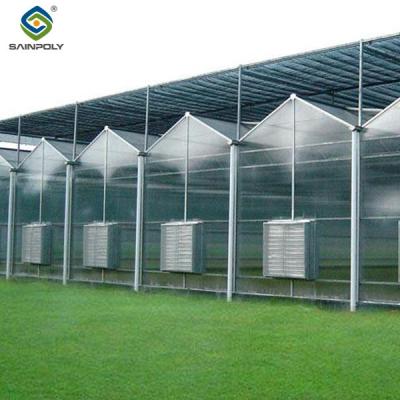
Fan and Pad Cooling |
| Automation |
Climate Control |
| Frame Material |
Aluminum/Galvanized steel |
| Application |
Plant Vegetable Fruit Flower |
| Material |
Glass/Aluminum |
| Main Column |
120*120*3mm |
| Roof Height |
4 to 8 meter |
| Structure |
Hot galvanized steel |
| Installation |
Professional Installation |
Modern Venlo Glass Greenhouse for Gerbera Daisy Cultivation
Key Features
- Optimal Light Transmittance: Glass provides exceptional clarity with light transmittance up to 95%, maximizing sunlight penetration—critical for high-light-demand crops like tomatoes, peppers, and roses, which thrive on intense, direct light.
- Long-Term Clarity & Maintenance: Glass has a smooth, non-porous surface that resists dirt, algae, and chemical buildup. This ensures consistent light transmission over time, requiring less frequent cleaning compared to PC boards.
- Structural Stability: Glass is rigid and robust, offering strong resistance to environmental stressors. It pairs well with large-scale Venlo designs, supporting extensive commercial operations where durability and longevity are priorities.
- Chemical Resistance: Glass is inert and unaffected by pesticides, fertilizers, or high humidity, making it ideal for environments with frequent chemical applications or high-moisture crops.
Support Systems
- Enhanced root health: Substrates (e.g., coir, perlite) offer ideal drainage and aeration, preventing waterlogging and supporting robust root development—critical for daisies' growth.
- Precise nutrient control: Easy to adjust fertilizer levels, ensuring daisies receive tailored feeds for vibrant blooms and sturdy foliage.
- Reduced pest/disease risks: Avoids soil-borne issues (like fungi or nematodes), lowering the need for pesticides and keeping plants healthier.
- Efficient resource use: Substrates retain moisture effectively, saving water, while targeted feeding minimizes waste—boosting cost and eco-friendliness.
- Flexible cultivation: Works well in containers, small spaces, or indoor setups. Lightweight substrates simplify moving plants, adapting to diverse growing needs.