Description:
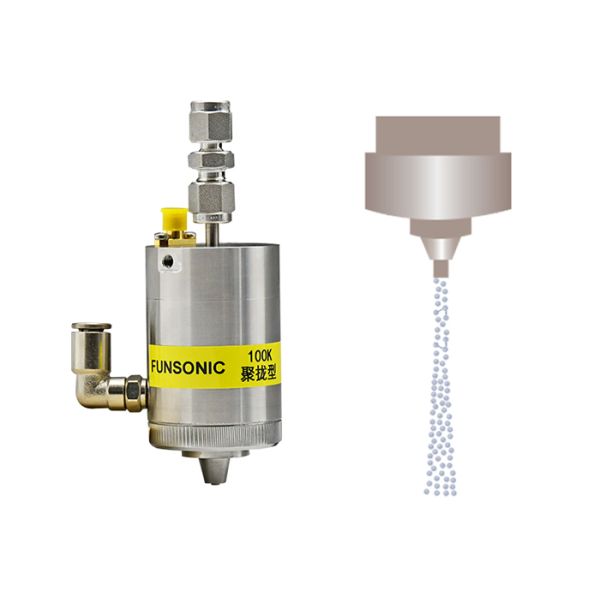
Solar glass coating ultrasonic atomization aggregation coating is an rising technological know-how primarily used to enhance the overall performance of glass surfaces. Solar glass coating ultrasonic non atomization aggregation coating normally has excessive transparency, does now not have an effect on the visible impact of the glass, and can successfully forestall water droplets and oil stains from adhering, making it convenient to clean, enhancing the scratch resistance of the glass, and extending its carrier life.
Parameters:
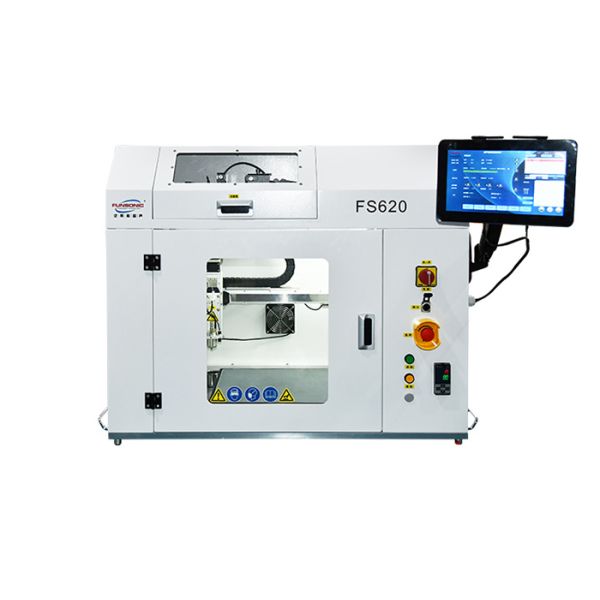
| Product Type | Intelligent Ultrasonic Precision Coating Machine desktop Type |
| Spray Nozzle Operating Frequency | 20-200KHz (Normally use 60/100/110/120K) |
| Nozzle Power | 1-15W |
| Continuous Spraying Volume Max | 0.01-50ml/min |
| Effective Spraying Width | 2-100mm |
| Spray Uniformity | ≥95% |
| Solution Conversion Rate | ≥95% |
| Dry Film Thickness | 20nm-100μm |
| Solution Viscosity | ≤30cps |
| Temperature Range | 1-60℃ |
| Atomized Particles (Median Value) | 10-45μm (distilled water), determined by the frequency of the nozzle |
| Diversion Pressure Max | ≤0.15MPA |
| Input Voltage | 220V±10%/50-60Hz |
| Exercise Mode | XYZ three-axis, independently programmable |
| Control Mode | FUNSONIC spraying control system, PLC control, 13.3-inch full-color touch screen |
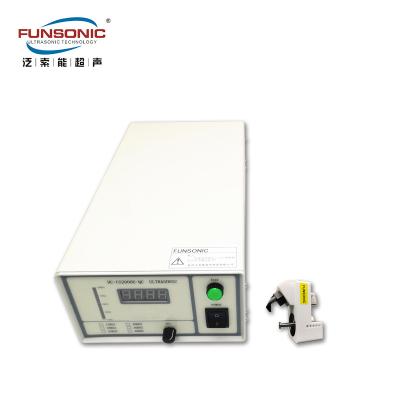
| Control Content | Ultrasonic spraying, liquid supply, heating, ultrasonic dispersion and other systems |
| Liquid Supply Method | Precision injection pump |
| Ultrasonic Dispersion System (Optional) | 20ml or 50ml, 40K, biological grade sampler |
| Rated Power of Ultrasonic Dispersion System | 100W |
Advantages:
1. Improved put on resistance
Improved by using 30% to 80% in contrast to uncoated glass: Many ultrasonic coatings can extensively decorate the scratch resistance of glass surfaces. The unique make bigger relies upon on the thickness of the coating, cloth composition, and environmental factors.
2. Testing standards
Friction coefficient: The friction coefficient of coatings is normally low, lowering the opportunity of scratches. Hardness testing: Use Mohs hardness or different hardness trying out strategies to consider the put on resistance of coatings.
3. Practical application
Automotive glass: In laboratory tests, the put on resistance of lined glass is appreciably higher than uncoated glass, in particular in frictional environments with dust or different particulate matter.
Architectural glass: In day by day use, coatings can efficiently face up to mild scratches and preservea easy surface.
4. Maintenance factors
Cleaning method: Improper use of cleansing equipment might also additionally have an effect on the put on resistance of the coating, so it is encouraged to use tender fabric for cleaning.