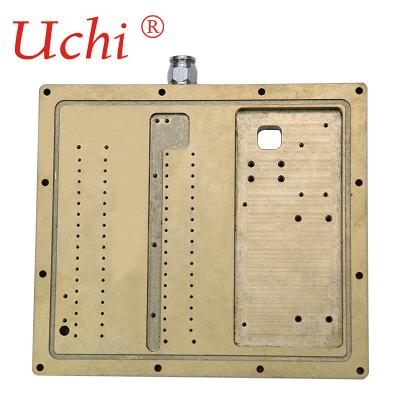
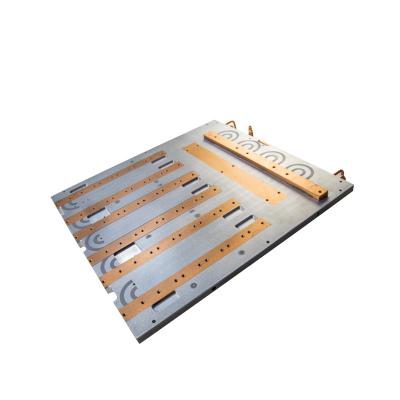
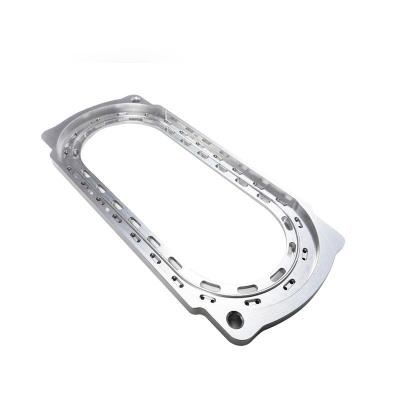
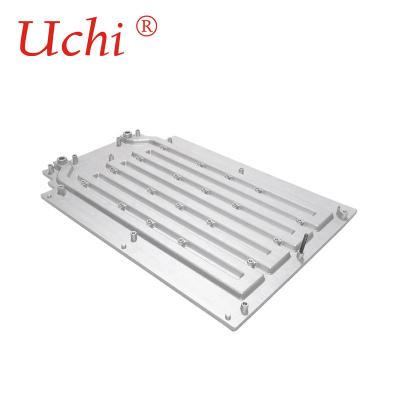
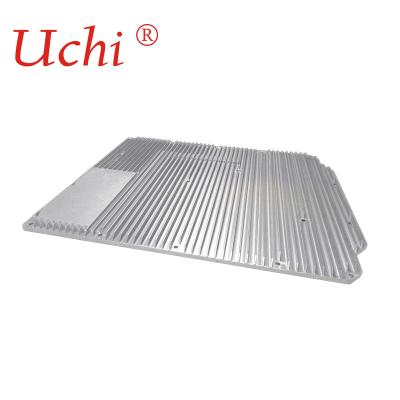
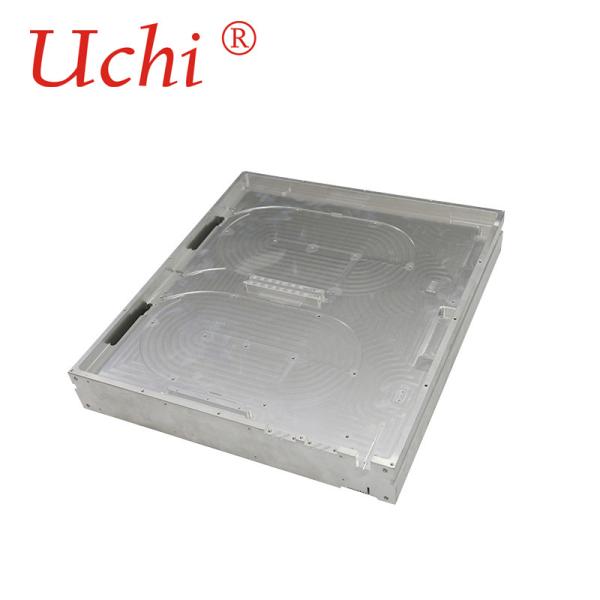
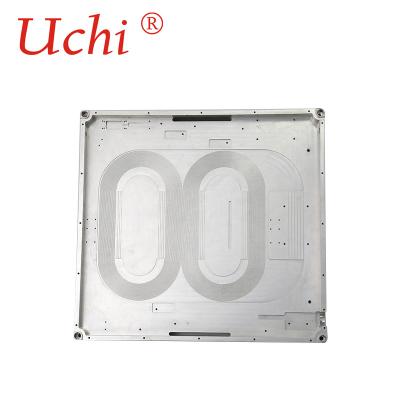
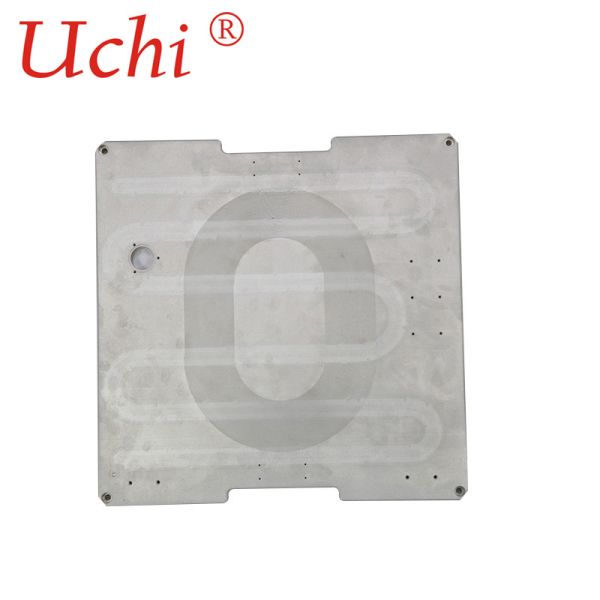
The chip with high integration, especially as the core business processing unit, needs to perform multiple tasks at the same time, and the data processing speed is fast, which is bound to produce relatively high power consumption and heat. This heat must be transferred in time, otherwise the heat accumulates, resulting in a sharp rise in the temperature of the internal environment of the device, resulting in excessive junction temperature inside the chip, resulting in failure. It can cause the device to restart or crash, or the chip to burn out. This leads to the damage of equipment, causing unnecessary losses to users, so chip cooling is very important. For this purpose, the industry usually installs a chip heat sink on the top of the chip which generates more heat, and then provides the thermal design processing system of the device to discharge the heat. For light and small heat sink, usually use silica gel or thermal conductive silica pad directly glued to the top of the chip, but this way is not suitable for large heat sink. Because the weight of the large heat sink itself is heavier, if the chip heatsink is directly glued to the chip, it may bring hidden trouble to the stability and reliability of the chip, or even direct damage to the chip due to transport or external vibration.
Heat sinks with welded feet are used to weld the circuit board. This method is usually in the heat sink diagonal position processing a small platform; One metal welding foot shall be embedded in the platform, and tin shall be attached to the welding foot. Usually, tin shall be coated or pressed on the surface of the welding foot, or tin coated wire shall be directly used, and thermal conductive silicon grease or silica gel shall be coated on the top surface of the chip.
| High Performance Computing (HPC) | High-density heat dissipation for supercomputers, data center servers, GPU clusters |
| High Power Electronics | Extreme thermal management of IGBT modules, converters, high-power power supplies |
| Advanced Medical Imaging | MRI, CT scanners requiring high temperature stability and reliability |
| Industrial Automation | High-precision temperature control for robot control and precision machine tools |
| Aerospace and Military | Heat dissipation in extreme environments for airborne radar and satellite communications |
| High-power Laser Equipment | Precision temperature control of industrial and scientific research laser systems |
| New Energy Vehicles | Precision thermal management for electric drive systems and battery modules |
| Renewable Energy Systems | High-power equipment including wind power converters and photovoltaic inverters |