TOPONE Wire supplies OEM stainless steel wire in AISI 304, 316 and 316L grades for industrial manufacturing, wire forming and customized component production. With a diameter range of 0.15–12mm, the wire can be specified according to the required material grade, dimensional tolerance, surface finish and mechanical properties.
Different stainless steel grades offer different characteristics for corrosion resistance and manufacturing requirements. AISI 304 is commonly used for general industrial applications, while 316 and 316L can be considered for applications requiring additional corrosion-resistance evaluation.
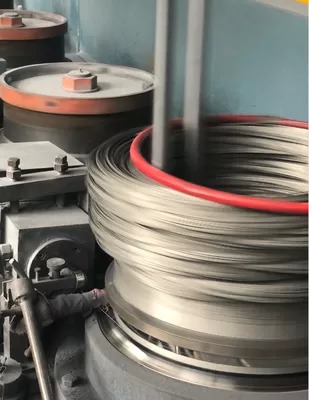
Bright and soap-coated surface options are available according to the selected specification and processing requirements. Wire can be supplied in coils or spools, subject to order requirements.
For OEM projects, selecting the correct stainless steel wire involves more than choosing a material grade and diameter. Mechanical condition, surface finish, dimensional tolerance, applicable standards and the final application should all be considered before production.
| Parameter | Specification |
|---|---|
| Product Name | OEM Stainless Steel Wire |
| Material Grades | AISI 304 / 316 / 316L |
| Wire Diameter | 0.15–12mm |
| Wire Shape | Round Wire |
| Surface Finish | Bright / Soap-Coated |
| Processing | Cold Drawn / Customized, subject to specification |
| Mechanical Condition | According to Grade, Diameter and Application |
| Applicable Standards | ASTM / AISI / DIN / EN / JIS / GB, as required |
| Supply Form | Coil / Spool |
| Customization | Diameter / Tolerance / Surface / Mechanical Properties |
| Applications | Springs / Wire Forms / Racks / Hangers / Mesh / Industrial Components |
| Packaging | Coil / Spool / Customized Packaging |
| Brand | TOPONE |
| Place of Origin | China |
Exact tensile strength, elongation, dimensional tolerances, mechanical condition and packaging should be confirmed according to the selected grade and diameter.
AISI 304 stainless steel wire is widely used for general industrial manufacturing and formed-wire applications.
It can be considered for springs, racks, hangers, wire mesh and other components where its corrosion resistance and mechanical properties meet the requirements of the working environment.
The required diameter, tolerance and mechanical condition should be selected according to the manufacturing process and finished component.
AISI 316 stainless steel wire contains molybdenum and can offer improved resistance to certain corrosive environments compared with 304.
It can be considered for applications involving moisture, marine exposure or chloride-containing conditions. Actual suitability depends on chloride concentration, temperature, exposure duration and other operating factors.
AISI 316L is a low-carbon version of 316 stainless steel. It can be considered when the material specification or fabrication requirements call for a low-carbon grade.
The appropriate wire diameter, surface condition and mechanical properties should be determined according to the intended application and applicable material standard.
The availability of 304, 316 and 316L provides options for different industrial requirements. Buyers can evaluate each grade according to corrosion exposure, forming processes and the technical requirements of the finished component.
The 0.15–12mm diameter range covers fine wire and larger industrial wire sizes. The required diameter and dimensional tolerance should be specified according to the component drawing and production equipment.
Bright surface: Suitable for applications requiring a bright metallic appearance and a defined surface condition.
Soap-coated surface: Provides a lubricated surface condition for selected drawing and forming processes. Compatibility depends on tooling, lubrication requirements and subsequent processing.
OEM requirements can be defined by material grade, wire diameter, dimensional tolerance, mechanical condition, surface finish, applicable standard and packaging.
Providing a technical drawing or existing material specification helps clarify the requirements for customized production.
Choosing a suitable stainless steel grade requires consideration of the working environment and manufacturing process. Confirming the technical specification before production helps align the wire with the intended application.
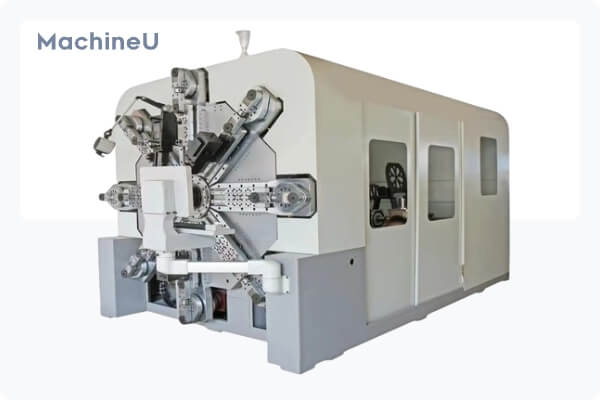
Selected 304, 316 and 316L wire specifications can be considered for compression springs, extension springs, torsion springs and other spring components when the mechanical properties meet the design requirements.
Stainless steel wire can be used to manufacture clips, hooks, brackets, retaining components and other custom formed-wire products.
304 stainless steel wire can be considered for racks, hangers, baskets and related wire products where the material properties and surface requirements suit the working environment.
Stainless steel wire can be used in mesh, grill and other wire-based products. The required diameter, material grade and surface condition depend on the component design and manufacturing process.
304, 316 and 316L wire can be evaluated for industrial components where material specifications, corrosion resistance and forming requirements need to be considered together.
For an OEM stainless steel wire inquiry, provide the following information:
Material grade: 304, 316 or 316L.
Wire diameter: Required nominal diameter within the 0.15–12mm range.
Dimensional tolerance: Required diameter tolerance.
Surface finish: Bright or soap-coated.
Mechanical properties: Tensile strength, elongation or mechanical condition, where required.
Applicable standard: ASTM, EN, JIS, GB or another specified standard.
Supply form: Coil or spool, including preferred weight if applicable.
Application: The intended component and manufacturing process.
Quantity and packaging: Required order quantity and packaging preferences.
A technical drawing, material specification or sample description can help clarify requirements for customized production.
Consider 304 when its corrosion resistance, mechanical properties and forming characteristics meet the requirements of the working environment.
Evaluate 316 when the application involves more demanding corrosion conditions, including certain marine or chloride-containing environments.
Choose 316L when the material specification or fabrication requirements call for a low-carbon grade.
The final selection should be based on actual service conditions, applicable standards and the required mechanical properties rather than grade designation alone.
This product covers AISI 304, 316 and 316L stainless steel wire. Confirm the required grade and production availability before ordering.
The specified diameter range is 0.15–12mm. Exact availability and dimensional tolerance depend on the selected grade and product specification.
Yes. Requirements can be specified according to material grade, diameter, tolerance, mechanical condition, surface finish, applicable standard and packaging.
Bright and soap-coated surface options are available according to the selected specification and processing requirements.
304 is commonly used for general stainless steel applications. 316 contains molybdenum and can offer improved resistance to certain corrosive environments. The appropriate grade depends on the actual working conditions.
316L is the low-carbon version of 316. The required grade should be selected according to the applicable material specification and fabrication requirements.
Please provide the material grade, diameter, quantity, surface finish, mechanical requirements, dimensional tolerance, applicable standard, application and packaging preferences.
Contact TOPONE Wire with your required material grade, wire diameter, surface finish, mechanical properties and application. Providing a technical drawing or detailed specification helps clarify the requirements and identify suitable product options.