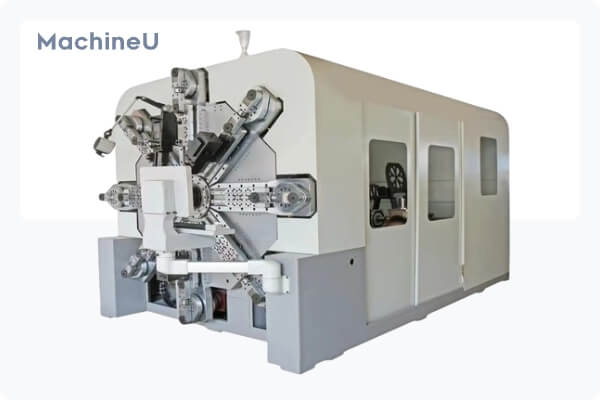
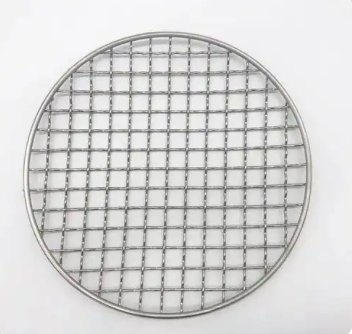
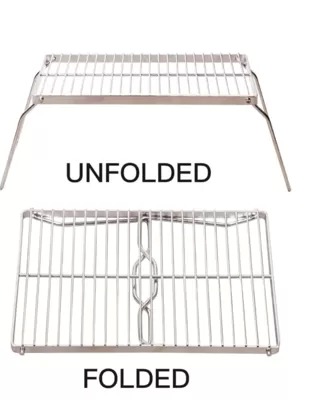
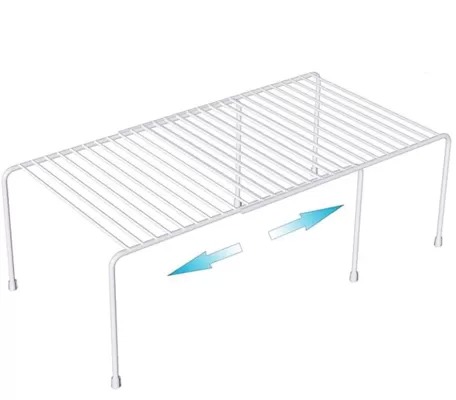
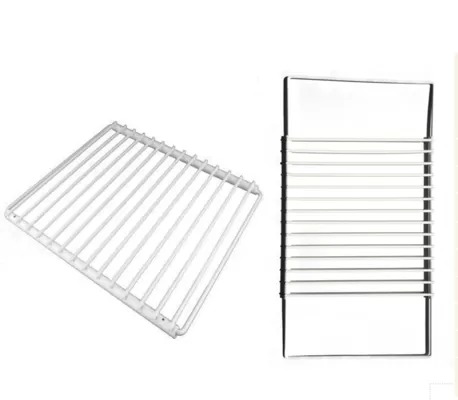
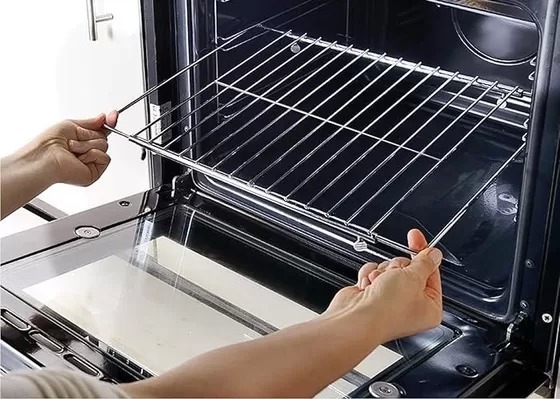
TOPONE manufactures 304 and 316L stainless steel grill grates for barbecue equipment, cooking appliances, outdoor grills and commercial kitchen applications. Produced through stainless steel wire forming, these grates can be customized to match different equipment designs and cooking requirements.
Available wire diameters range from 0.15–12 mm, with bright and soap-coated (matt) surface options. Overall dimensions, wire spacing, shape and structural details can be specified according to customer drawings, samples or technical requirements.
When selecting stainless steel grill grates, buyers should consider material grade, wire diameter, cooking temperature, cleaning methods, moisture exposure and the intended service environment.
| Item | Specification |
|---|---|
| Product Name | Stainless Steel Barbecue Grill Grates |
| Material | Stainless Steel |
| Available Grades | 304 / 316L |
| Wire Diameter | 0.15–12 mm |
| Surface Finish | Bright / Soap-Coated (Matt) |
| Manufacturing Process | Stainless Steel Wire Forming |
| Grate Dimensions | Customized |
| Wire Spacing | Customized |
| Shape and Structure | Customized according to drawing or sample |
| Applicable Standards | ASTM, EN, DIN, GB and other applicable standards, subject to confirmation |
| Packaging | Carton / Customized |
| Minimum Order Quantity | 100 pieces, subject to final product confirmation |
| Delivery Time | Approximately 15–45 days, subject to order details |
The wire diameter range represents the available product range, not a fixed specification for every finished grill grate. Final dimensions, material grade, surface condition and applicable standards should be confirmed before production.
304 stainless steel is commonly considered for general cooking equipment, barbecue grills and kitchen wire products. It can be suitable for many everyday cooking environments, provided the material meets the application's temperature, cleaning and corrosion requirements.
316L stainless steel can be considered when the application requires additional corrosion-resistance considerations, such as certain humid or chemically demanding environments. Actual suitability depends on the exposure conditions, cleaning chemicals and required service life.
Neither grade is universally suitable for every cooking environment. Material selection should follow the finished product specification and intended operating conditions.
A bright surface can be selected when appearance is important or when the wire-forming process and finished product specification call for this surface condition.
A soap-coated surface provides lubrication for certain wire-processing operations. Its suitability for a finished cooking product should be reviewed in relation to subsequent processing, cleaning and applicable food-contact requirements. The surface treatment should not be assumed suitable for direct cooking or food contact without confirmation.
Custom stainless steel grill grates can be designed for barbecue equipment, replacement cooking grids and outdoor cooking appliances.
Wire-formed grates can be specified for selected commercial cooking equipment according to the required dimensions, material and structural design.
For OEM projects, grate dimensions, wire spacing, edge shape, support structure and other forming details can be developed according to drawings or physical samples.
304 and 316L provide material choices for different cooking environments and corrosion-exposure requirements.
The available 0.15–12 mm wire diameter range supports different wire-forming designs. The appropriate diameter should be determined by grate geometry, spacing, loading and production requirements.
Length, width, wire spacing, shape and forming details can be specified according to equipment dimensions or customer drawings.
Bright and soap-coated (matt) surfaces can be considered according to manufacturing and finished-product requirements.
A technical drawing or sample helps define the required material grade, wire diameter, dimensions and forming structure before production.
To help avoid specification mismatches, buyers should confirm the following details before ordering:
Material grade: 304 or 316L, according to the application.
Wire diameter: Select the required diameter within the available product range.
Overall dimensions: Provide length, width and any installation-related dimensions.
Wire spacing: Specify the spacing required by the cooking application and product design.
Shape and structure: Include bends, frames, edges, hooks and support features.
Surface condition: Specify bright or soap-coated, subject to finished-product requirements.
Operating environment: Identify cooking temperature, moisture exposure and cleaning methods.
Quantity and packaging: Confirm order quantity and packing requirements.
For complex designs, a drawing or physical sample is recommended for technical review.
For stainless steel grill grates, quality assessment should be based on defined material and dimensional requirements rather than general claims about performance.
Relevant inspection points may include:
Stainless steel grade and material documentation
Wire diameter and applicable tolerance
Overall grate dimensions
Wire spacing and forming accuracy
Surface condition
Welding or connection details, where applicable
Packaging condition
For cooking-related products, the suitability of the material and any surface treatment for the intended food-contact conditions should be confirmed against the applicable requirements.
Yes. Grate dimensions, wire diameter, spacing, shape and forming structure can be specified according to a drawing, sample or technical requirements.
This product page lists 304 and 316L stainless steel. The final grade should be confirmed according to the application and agreed material specification.
The listed range is 0.15–12 mm. The required diameter for each finished grate depends on its design and structural requirements.
No. The appropriate grade depends on the actual environment, including moisture, cleaning chemicals, temperature and other corrosion exposure. The material should be selected for the specific application.
A sample or technical drawing can be used to review dimensions, wire spacing, shape, material and surface requirements before production.