TOPONE manufactures 304 stainless steel spring wire for spring manufacturers and industrial component producers requiring stainless steel wire for compression springs, extension springs, torsion springs, wire forms, clips, and other formed components.
AISI 304 stainless steel is an austenitic stainless steel grade widely used for general-purpose stainless steel applications. When processed into spring wire, the material can be supplied in suitable mechanical conditions according to the required spring design and forming process.
The appropriate spring wire specification depends on several factors, including wire diameter, tolerance, material grade, tensile strength, wire condition, surface finish, spring geometry, and service environment.
TOPONE supplies stainless steel spring wire in different diameters and surface conditions and can discuss customized specifications according to the customer's spring production requirements.
| Item | Specification |
|---|---|
| Product Name | 304 Stainless Steel Spring Wire |
| Material | AISI 304 Stainless Steel |
| Diameter Range | 0.15–12mm |
| Surface | Bright / Soap Coated |
| Wire Condition | Spring Temper / Other Conditions According to Requirement |
| Product Type | Stainless Steel Spring Wire |
| Applicable Standards | ASTM, AISI, EN, JIS and Equivalent Standards |
| Packing | Coil / Spool |
| Certification | ISO / SGS / RoHS |
| Applications | Compression Springs, Extension Springs, Torsion Springs, Wire Forms, Clips, Hooks |
| Supply Type | Manufacturer / Customized Supply |
Specific diameter tolerance, tensile strength, hardness, elongation, and delivery condition should be confirmed according to the selected specification.
304 stainless steel is widely used for general stainless steel components because it provides a combination of corrosion resistance and fabrication characteristics.
For spring applications, the material should be selected according to the actual operating environment. Factors such as humidity, chloride exposure, temperature, chemical contact, and mechanical loading should be considered before choosing the stainless steel grade.
For applications involving more aggressive chloride environments, 316 or 316L stainless steel may need to be evaluated as an alternative.
304 stainless steel spring wire can be considered for different spring configurations, including:
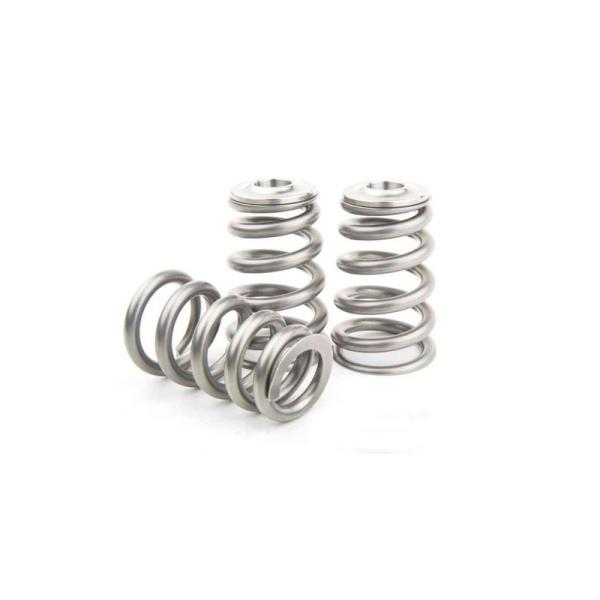
Compression springs
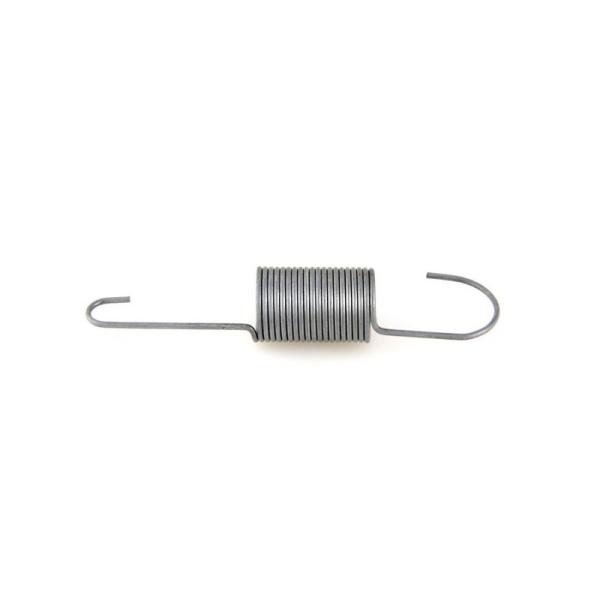
Extension springs
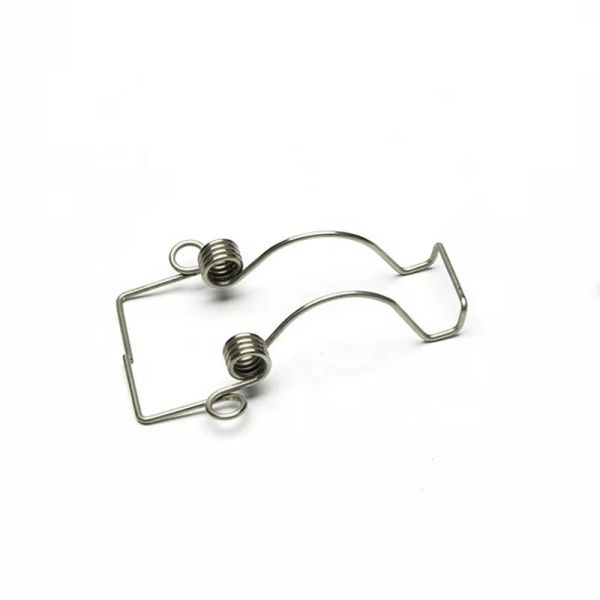
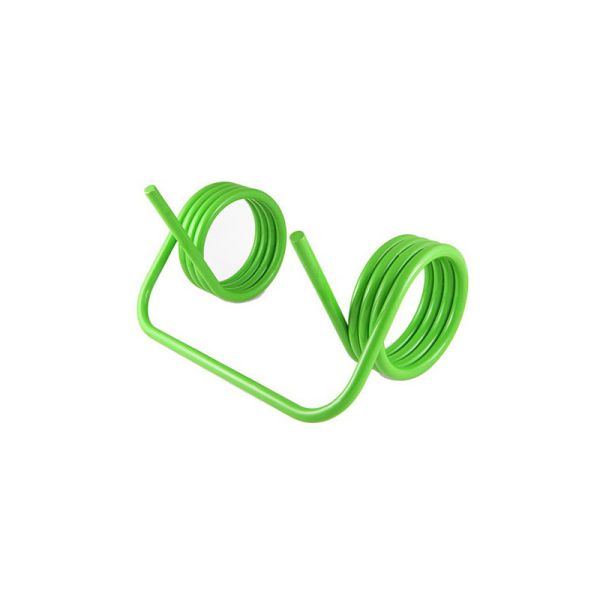
Torsion springs
Contact springs
Small precision springs
Custom wire forms
The suitable wire condition depends on the spring geometry, forming method, working load, required deflection, and other design parameters.
TOPONE supplies stainless steel spring wire across a 0.15–12mm diameter range, allowing manufacturers to select wire according to the dimensions and mechanical requirements of the finished spring.
Diameter selection should consider:
Spring diameter
Wire length
Working load
Working deflection
Coil geometry
Forming equipment
Required tolerance
For production requiring tight dimensional control, the required diameter tolerance should be specified before manufacturing.
Different surface conditions can be selected according to the customer's manufacturing process.
Bright Surface
Suitable for applications where the wire remains visible or where a clean metallic appearance is required.
Soap-Coated Surface
Can be considered when lubrication is required during subsequent wire forming or spring manufacturing.
Surface selection should be based on the forming equipment, lubrication requirements, and final product specifications.
304 stainless steel spring wire can be used for compression springs in general industrial and mechanical applications.
The final wire specification should be selected according to:
Spring load
Working deflection
Coil diameter
Free length
Number of active coils
Operating temperature
Required cycle conditions
For extension springs, manufacturers should additionally consider the required hook configuration, initial tension, working load, and forming process.
Torsion spring applications require consideration of angular deflection, coil diameter, leg configuration, and working torque.
The wire condition and diameter should be selected according to the actual spring drawing.
304 stainless steel spring wire can also be processed into:
Clips
Hooks
Retaining rings
Brackets
Supports
Custom wire forms
Choosing stainless steel spring wire should start with the finished component rather than the material grade alone.
Identify whether the product is a compression, extension, torsion, contact spring, or custom wire form.
Wire diameter directly affects the spring geometry and mechanical characteristics of the finished component.
For customized production, the required diameter and tolerance should be specified according to the spring drawing.
304 can be considered for many general-purpose spring applications.
For environments involving significant chloride exposure or other aggressive conditions, 316/316L may be more appropriate depending on the actual service requirements.
The delivery condition should correspond to the forming process and required mechanical properties.
A harder spring wire condition may be appropriate for certain spring-forming applications, while a softer condition may be considered when additional forming is required.
Choose bright or soap-coated wire according to the forming process and final surface requirements.
Where required, specify:
Tensile strength
Hardness
Elongation
Diameter tolerance
Other mechanical requirements
These properties should be confirmed for the actual grade, diameter, and delivery condition rather than applying one generic value to the entire product range.
304 and 302 stainless steel are both austenitic stainless steel grades that can be used in spring and cold-worked applications.
| Factor | 304 Stainless Steel | 302 Stainless Steel |
|---|---|---|
| Typical application | General stainless steel springs and wire components | Spring wire and cold-worked components |
| Material selection | Application + corrosion environment + forming | Spring requirements + forming + service environment |
| Corrosion considerations | General environments | General environments |
| Final selection | Based on actual spring specification | Based on actual spring specification |
The choice should be based on the required material standard, spring design, mechanical properties, and service conditions rather than simply choosing one grade as universally superior.
For stainless steel spring wire, quality should be evaluated through measurable specifications.
Important inspection parameters include:
Chemical composition
Material grade
Wire diameter
Diameter tolerance
Surface condition
Tensile strength
Hardness
Elongation
Coil dimensions
Coil weight
Batch identification
Applicable material standard
For customized orders, customers can provide the required wire diameter, spring drawing, mechanical properties, surface condition, application environment, and packing requirements.
As a stainless steel wire manufacturer, TOPONE can support customers with product specifications covering:
Material grade selection
Wire diameter
Diameter tolerance
Surface condition
Mechanical condition
Coil or spool packing
Customized production requirements
For spring manufacturers, providing the finished spring drawing or detailed application parameters can help determine a more suitable wire specification.
304 stainless steel spring wire can be supplied in coils or spools according to the customer's production equipment and wire-feeding requirements.
Packing specifications can include:
Coil weight
Inner diameter
Outer diameter
Spool dimensions
Labeling
Quantity per package
Special packing requirements
For automated spring production, packing should be matched with the customer's wire-feeding equipment.