Description
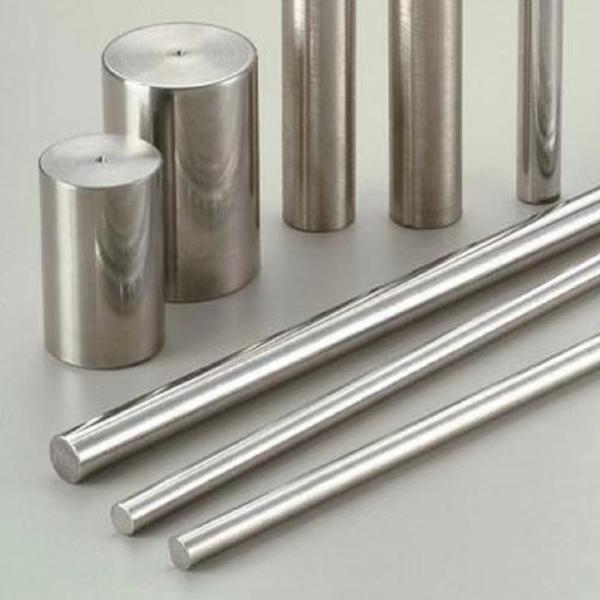
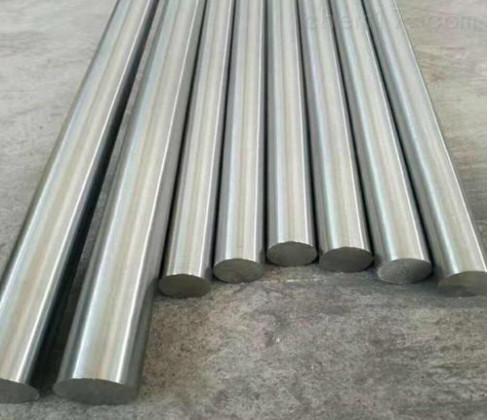
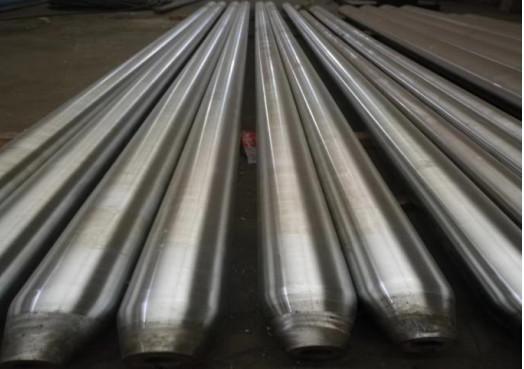
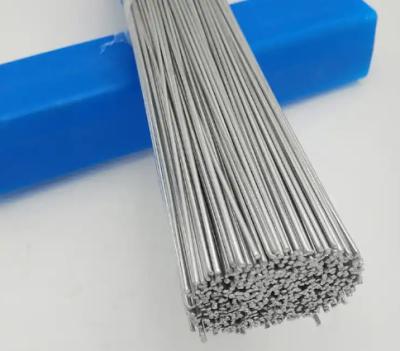
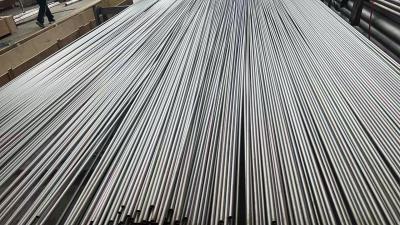
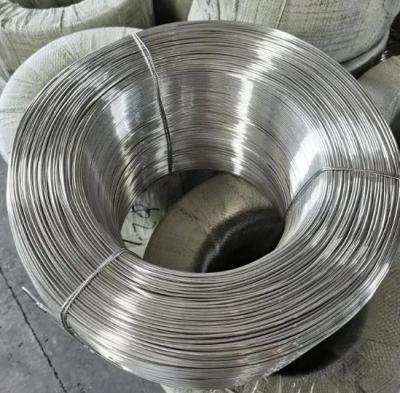
An aluminum rod is a type of aluminum product produced through a precision casting process that includes melting, purification, degassing, slag removal, and casting.
Depending on the alloying elements present, aluminum rods are categorized into eight major series, each with unique mechanical and physical properties.
They offer a combination of light weight, high strength, corrosion resistance, and excellent machinability, making them suitable for a wide range of industrial applications.
| Product Name | Aluminum Rod |
|---|---|
| Model Number | 6061, 6063 |
| Material | 6060 / 6061 / 6063 / 6082 |
| Technique | Extruded |
| Surface Finish | Mill Finish |
| Length | 0–6000 mm |
| Hardness | 99–200 HB |
| Alloy or Not | Is Alloy |
| Aluminum Content (Min) | 90–99.9% |
| Yield Strength (≥ MPa) | 241 |
| Ultimate Tensile Strength (≥ MPa) | 276 |
| Temper | T3–T8 |
| Processing Service | Cutting available |
| Applications | Aerospace, machinery, electronics, construction, packaging, automotive, and other industries |
1000 Series Aluminum Rod
2000 Series Aluminum Rod
3000 Series Aluminum Rod
4000 Series Aluminum Rod
5000 Series Aluminum Rod
6000 Series Aluminum Rod
7000 Series Aluminum Rod
8000 Series Aluminum Rod
Used in the manufacturing of aircraft, rockets, and aerospace structures due to its high strength-to-weight ratio, corrosion resistance, and durability.
Applied in mechanical components such as propellers, gears, shafts, and automotive parts. Aluminum rods help reduce equipment weight and production costs.
Ideal for heat sinks, radiators, and conductive parts thanks to excellent electrical and thermal conductivity.
Used to produce aluminum tubes, barrels, and containers with strong sealing and corrosion resistance—suitable for food, medicine, and chemical packaging.
Commonly used in frames, doors, windows, curtain walls, and support structures, valued for its lightweight and corrosion-resistant properties.
Used for wires, cables, and transmission line components due to its oxidation resistance and high conductivity.
Applied in automobile, train, ship, and aerospace components such as bodies, wheels, and frames, offering reduced weight and fuel consumption.
Used for tanks, pipelines, and chemical processing equipment, providing resistance to acids, alkalis, and corrosion.
Fabricated into furniture frames, lighting fixtures, kitchenware, and utensils, combining aesthetics with functionality.
Used in bicycle frames, golf clubs, tennis rackets, and other high-performance sports gear due to its strength and lightness.
Ideal for surgical instruments, mobility devices, and medical equipment, offering biocompatibility and resistance to corrosion.
Applied in waste bins, recycling containers, and water treatment systems, providing durability and corrosion resistance in outdoor environments.
Widely used for decorative crafts, sculptures, lighting fixtures, and display materials, thanks to its formability and metallic finish.