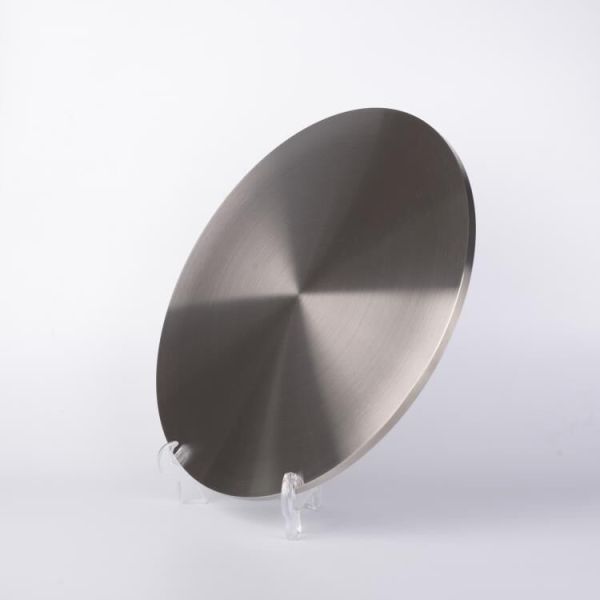
Description
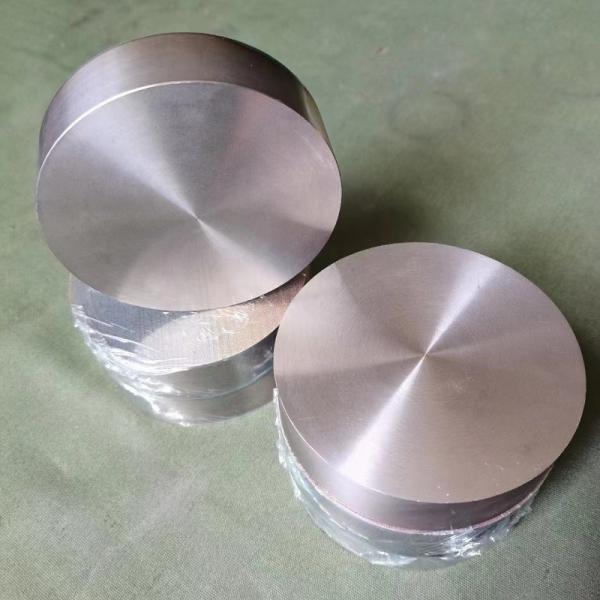
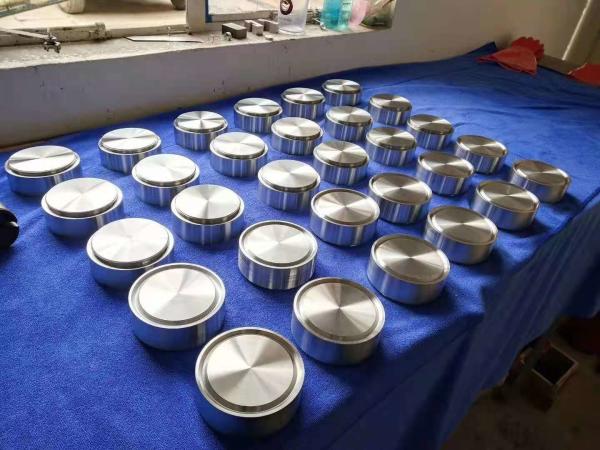
Sputtering targets are materials used to deposit thin films through the sputtering process. These targets are fabricated from metals or ceramics using advanced techniques such as melting, sintering, synthesis, and precision machining.
We offer sputtering targets in various materials, purities, and geometries, combining our expertise in material science and processing technology. Each target can be customised according to your specific application, ensuring optimal sputtering performance and coating quality.
| Item | Details |
|---|---|
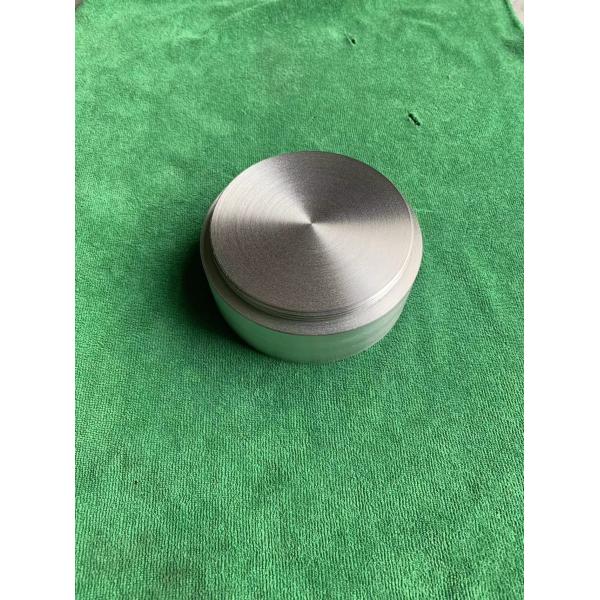
| Product Name | Titanium Sputtering Target |
| Finish | Bright, Polished |
| Size | Customized |
| Material Options | Ti, Ti–Al, Zr, Cr, etc. |
| Available Shapes | Rectangle, Round, Rotary, Pellets, Ingots (customizable) |
| MOQ | 50 pcs |
| Technique | OEM/ODM Custom Fabrication |
| Sample | Available |
| Features | Lightweight, Excellent Corrosion Resistance, High Mechanical Strength, Durable Performance |
| Testing Standards | 1. ISO 9001:2015 Certified2. Mechanical Properties Testing3. Destructive and Non-Destructive Inspection according to industry and customer specifications |
| Applications | Aerospace, Automotive, Medical, Chemical, Sports Equipment, Marine Hardware, Electronics, etc. |
Titanium sputtering targets are widely used in hardware tool coatings, decorative coatings, semiconductor components, and flat-panel displays. They are essential for integrated circuit manufacturing, typically requiring purity levels above 99.99%.
Used extensively in the semiconductor and optical industries. Aluminium is valued for its lightweight nature, excellent heat resistance, and recyclability, making it suitable for applications in electronics, vehicles, and aerospace.
Copper provides exceptional electrical and thermal conductivity. It is used in electrodes, thin-film wiring, optical coatings, and other applications requiring high conductivity.
Tin coatings enhance corrosion resistance and are commonly used to improve the performance and lifespan of coated materials.
Zinc is known for its corrosion protection. When sputtered onto another metal, it forms an effective cathodic protection layer, often used in batteries, coatings, and electronic components.
These metals are chosen for their chemical stability and high conductivity, making them ideal for advanced electronics, sensors, and optical instruments.