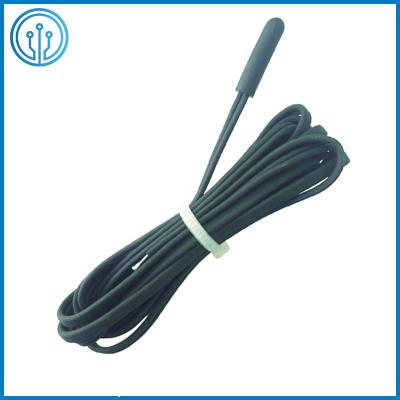
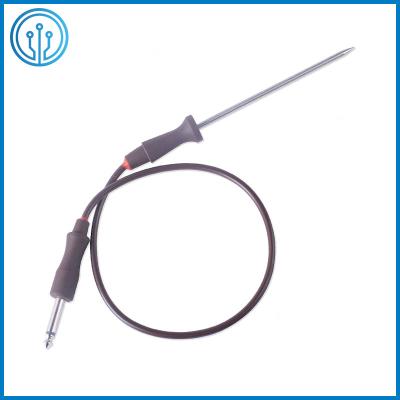
Sonda Thermistor NTC Temperature Sensor 10K 0.9078k 2.5% 3992 2% PTP-43C-R4 for Cup Coffee Vending Machine
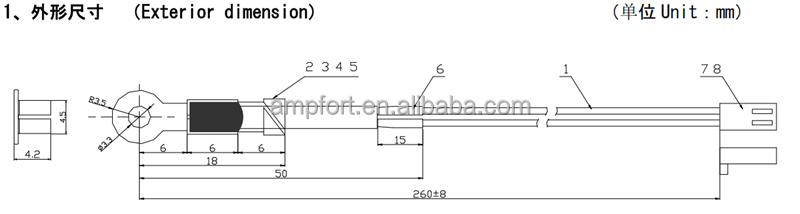
Exterior dimension (mm)

Material specification
| LEAD WIRE | UL3398 #26AWG TS |
| Housing | 3.3*7.0+18 |
| Epoxy filling | Black high temp glue |
| Tube | Fiber Class Tube |
| Thermistor | R90=0.9078K±2.5% B25/85=3992±2% |
| Tube | Black heat-shrinkable tube 125C |
| Terminal | 2510-T |
| Terminal glue | 2510-2p White low-profile |
Classification and Function of NTC Temperature Sensors in Coffee Machines
1. Heating Plate NTC Temperature Sensor:
The heating plate, installed at the coffee machine’s base, is primarily responsible for direct water heating. The NTC sensor is mounted flush against the center of the coil, providing real-time feedback on the heating temperature. Based on this data, the control board precisely regulates heating power: when the temperature approaches the set upper limit, power is immediately reduced to prevent overheating; when it dips below the lower limit, heating is rapidly boosted. This closed-loop control maintains water temperature consistently within the 92–96°C “Goldilocks Extraction Zone,” preventing scorched bitterness while ensuring full aroma release.
2. Steam NTC Temperature Sensor:
In steam pressurization systems, water is heated into high-pressure steam, entering the brew chamber via pipes to extract coffee. The NTC sensor at the steam outlet detects temperature changes within milliseconds. For different coffee styles, the control system can rapidly switch steam temperatures: for instance, lattes require high-temperature steam around 110°C for milk frothing, while Americanos demand hot water around 94°C. With temperature control precision down to ±0.3°C, the NTC ensures the flavor and taste of every cup consistently meet preset standards.
Precision Selection Guide: Core Criteria for Coffee Machine NTC Temperature Sensors
In building a coffee machine’s temperature control system, selecting the right NTC temperature sensor directly impacts control accuracy and coffee quality. Focus on these core criteria:
1.Temperature Range Compatibility:
The NTC sensor’s measurement range must fully cover the coffee machine’s operating temperatures. This ensures accurate capture of temperature variations throughout the process, from cold start to stable brewing, providing comprehensive data support for the control system.
2.Matching the Appropriate Accuracy Grade:
Select an NTC grade suitable for the machine’s required temperature control precision, and specifically set the center value of its resistance parameters. For example, when the core control range is 90°C-95°C, prioritize resistance specifications designed for a 90°C-100°C baseline. This ensures high-precision temperature feedback keeps water temperature control errors within acceptable limits.
3.Ensuring Long-Term Stability:
The sensor’s performance stability is paramount for sustained, reliable operation. Choose products that have undergone aging tests and can withstand repeated thermal shocks. This avoids control inaccuracies caused by long-term precision drift, guaranteeing the coffee machine consistently maintains stable brewing quality.
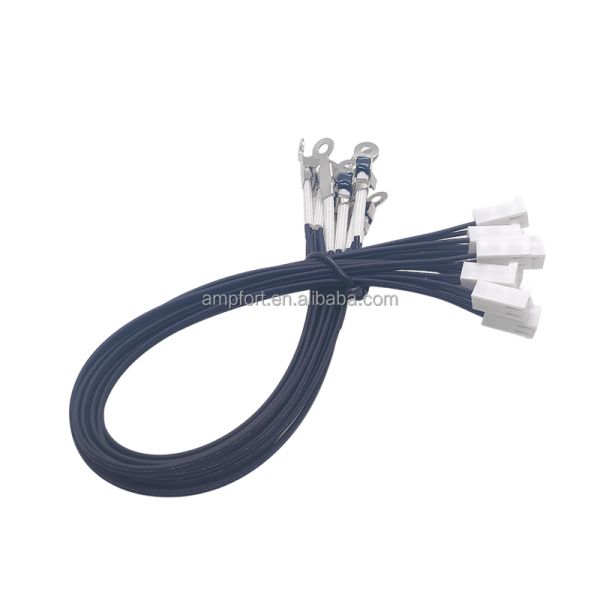
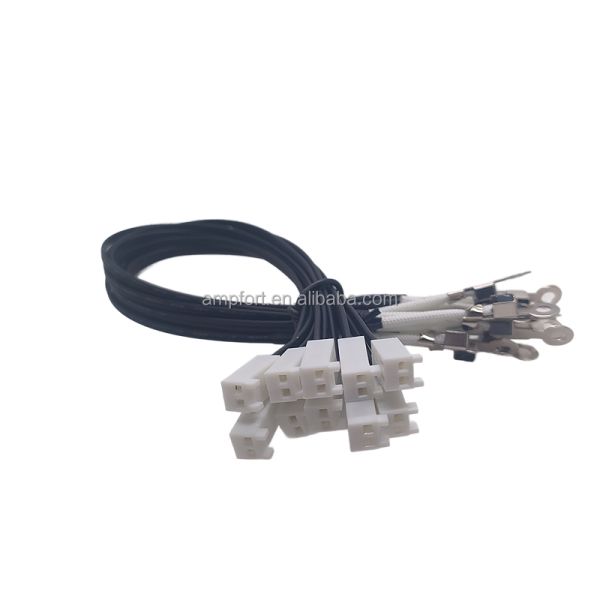
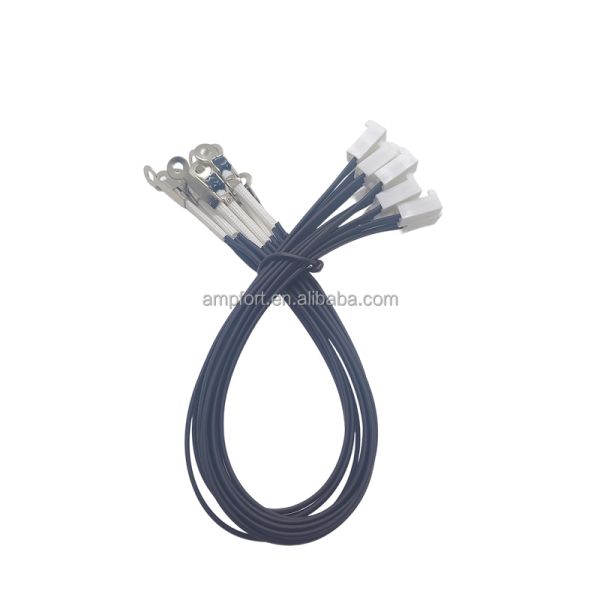
Photos