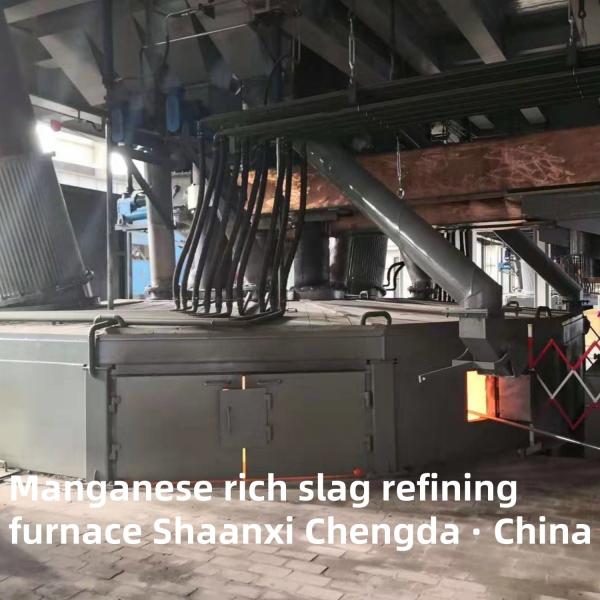
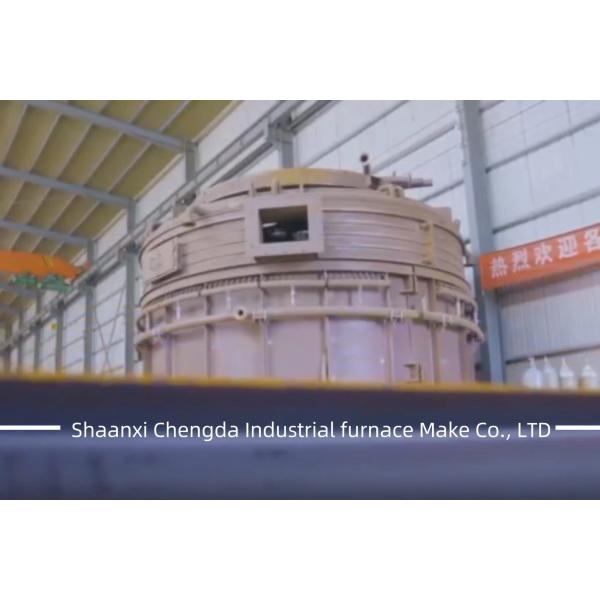
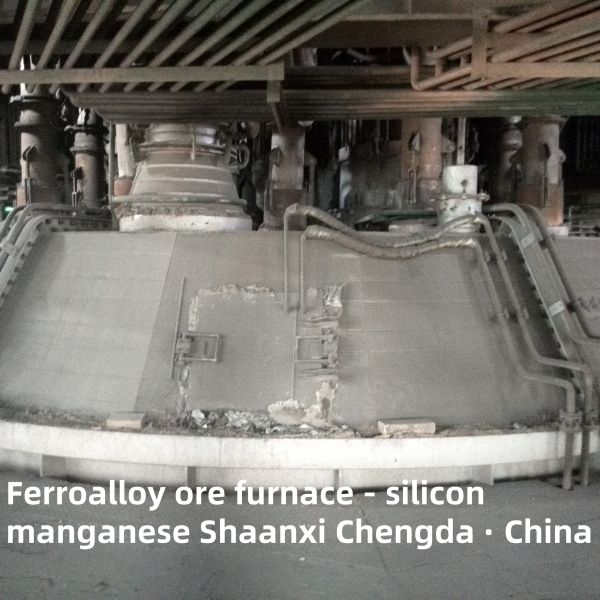
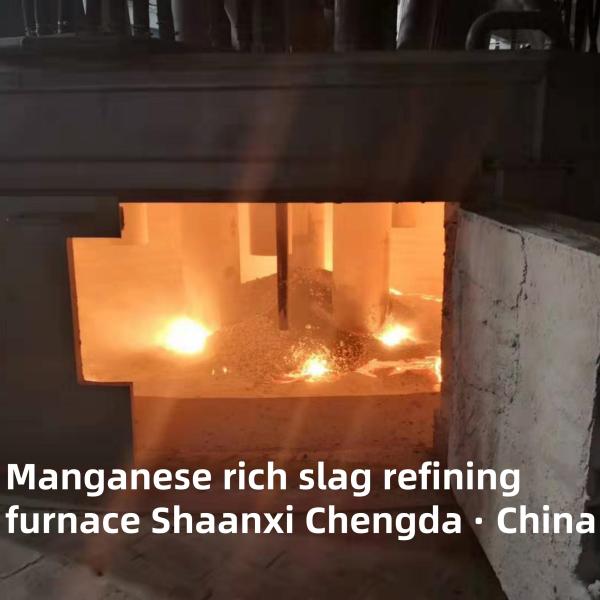
DC hydrogen cracking furnace is a specialized thermal processing equipment integrating direct current (DC) heating technology and hydrogen atmosphere cracking , mainly used for high-purity material purification, waste resource recycling, and advanced material preparation. It utilizes DC arc/plasma heating to generate ultra-high temperature environments (1800–3000℃) and relies on hydrogen's strong reducing property and cracking effect to decompose organic/inorganic impurities, reduce metal oxides, or crack complex compounds into high-purity target products. The equipment is widely applied in fields such as rare metal extraction, semiconductor material purification, battery material recycling, and high-temperature alloy processing.
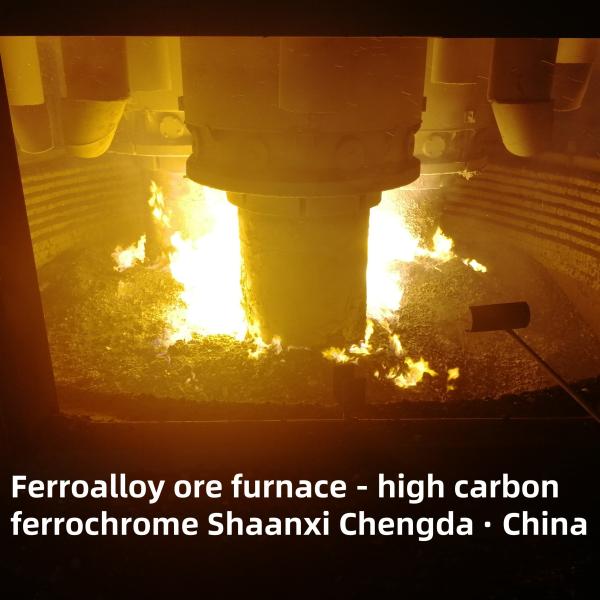
- DC Heating System: The furnace generates stable DC arc or plasma through graphite electrodes (cathode + anode) , realizing rapid heating of materials via direct thermal radiation and electromagnetic induction. Compared with AC heating, DC heating has stronger arc stability, uniform temperature field distribution, and lower energy consumption, which can avoid material oxidation caused by unstable arcs.
- Hydrogen Atmosphere Cracking Mechanism:
- Reduction Reaction: Hydrogen (H₂) acts as a reducing agent to react with metal oxides in materials (e.g., MOₓ + xH₂ → M + xH₂O) , reducing high-valence metals to elemental form and improving product purity.
- Cracking Reaction: Under ultra-high temperature and hydrogen atmosphere, organic impurities (e.g., oils, resins) or complex compounds (e.g., metal carbides, nitrides) are cracked into small-molecule gases (CH₄, NH₃, H₂O) , which are discharged with the tail gas to achieve impurity removal.
- Purification Effect: Hydrogen can also eliminate gas impurities (O₂, N₂, CO) in materials by forming H₂O, NH₃, and CH₄, further improving the purity of target products (up to 99.99% or higher) .
- High Purity Output: Hydrogen's strong reducing property and vacuum pre-treatment effectively remove oxides, gases, and organic impurities, enabling target product purity up to 99.99%–99.999% , suitable for high-end material preparation.
- Efficient Heating: DC arc/plasma heating realizes rapid temperature rise (10–50℃/min) and ultra-high temperature environment (up to 3000℃) , which can handle high-melting-point materials (e.g., tungsten, molybdenum, titanium) and accelerate cracking reactions.
- Environmental Friendliness: The main by-products of hydrogen cracking are H₂O and small-molecule gases, which can be discharged after simple treatment (e.g., water condensation) ; no toxic waste is generated, complying with environmental protection standards.
- Stable and Reliable: DC heating ensures uniform temperature field and stable arc; positive pressure hydrogen atmosphere and vacuum interlock prevent air leakage, reducing material oxidation and improving product consistency.
- Rare Metal Extraction & Purification: Reduction of rare metal oxides (e.g., WO₃, MoO₃, TiO₂) to high-purity elemental metals; purification of rare earth metals to remove impurities such as oxygen and carbon.
- Battery Material Recycling: Cracking of lithium-ion battery cathode materials (e.g., LiCoO₂, LiNiMnCoO₂) to recover cobalt, nickel, lithium, and other valuable metals; hydrogen reduction of metal oxides in waste batteries to improve recovery rate.
- Semiconductor & High-Tech Material Preparation: Purification of semiconductor materials (e.g., silicon, germanium) to remove trace impurities; preparation of high-purity metal powders (e.g., hydrogen-reduced nickel powder, cobalt powder) for electronic components.
- Waste Resource Recycling: Cracking of organic-inorganic composite waste (e.g., metal-plastic composites, electronic waste) to separate metals and organic matter; recycling of valuable metals in industrial waste residues.
- Based on Material Properties: For high-melting-point metals (e.g., W, Mo) , select high-power models (≥200 kW) with maximum temperature ≥2500℃ ; for low-melting-point materials or organic cracking, choose medium-power models (50–150 kW) with temperature ≤2000℃ .
- According to Production Scale: Small-batch R&D (0.1–1 kg/batch) selects furnace chamber volume ≤0.05 m³ ; medium-batch production (1–50 kg/batch) chooses 0.05–0.5 m³ furnace chamber.
- Considering Purity Requirements: For ultra-high purity (≥99.999%) products, select models with high vacuum performance (ultimate vacuum ≤1×10⁻³ Pa) and high-purity hydrogen purification system; for general purity requirements, common vacuum and hydrogen configurations are acceptable.
- Matching Safety Standards: Ensure the equipment meets local hydrogen safety standards (e.g., GB 3634 for hydrogen use safety, NFPA 55 for international standards) , and is equipped with complete safety interlocks and explosion-proof devices.
If you need to customize parameters (e.g., furnace chamber volume, maximum temperature, hydrogen flow rate) for specific materials or production processes, please provide detailed requirements (e.g., material type, batch weight, target purity) , and we can provide a tailored technical solution and equipment parameter list.