Automatic Mesh Belt Drying Equipment Tea Leaf Dryer Drying Machine Industrial Alfalfa Seaweed Drying Machine
| type |
mesh belt dryer |
heating method |
Gas Heating, Electric Heating, Heat Pump, Other |
| material |
SUS304, SUS304L, SUS316, SUS316L, Other |
application |
Chemicals Processing, Food Processing, Other |
| power(w) |
5.5kw |
warranty |
380 V |
| voltage |
380 V |
video outgoing-inspection |
Provided |
| place of origin |
Henan, China |
Product name |
Mesh belt dryer |
| weight (kg) |
5000 |
brand name |
SUNO |
| Keywords |
Fruit Vegetable Mesh Belt Dryer |
Function |
Food Vegetable Fruit Dehydrator |
| Used for |
Food.etc |
Capacity |
Customers' Requirements |
| Color |
Customized Color |
Heating source |
Electricity Steam Oil Gas |
1. Installation and Commissioning
- Installation Location: Ensure the machine is placed in a well-ventilated area to avoid moisture or high temperatures affecting its normal operation.
- Power Supply: Make sure the voltage of the power supply matches the dryer’s requirements to prevent overload or voltage fluctuations.
- Commissioning: Before official use, conduct equipment debugging to check if all components, including temperature control system, fans, and conveyors, are working properly.
2. Pepper Preprocessing and Loading
- Pepper Preprocessing: Remove impurities, dust, and other contaminants from the peppers before drying to ensure the quality and appearance of the peppers. If the peppers are too moist, perform preliminary drying.
- Even Layering: When loading peppers onto the conveyor, ensure they are spread evenly to avoid clumping and ensure uniform drying.
3. Temperature and Humidity Control
- Temperature Settings: Set the appropriate temperature based on the type and moisture content of the peppers, generally between 40°C~80°C. Too high a temperature may affect the color and flavor of the peppers.
- Humidity Monitoring: Regularly monitor the humidity during drying to avoid over-drying, which can lead to uneven drying or cracking of the peppers.
4. Maintenance
- Cleaning and Maintenance: Regularly clean components like the conveyor, fans, and heaters to prevent pepper residue from blocking the machine or affecting air circulation.
- Equipment Inspection: Perform regular checks on electrical systems, mechanical parts, and drive systems. Address any issues promptly to ensure stable operation.
- Lubrication: Periodically lubricate moving parts to prevent excessive friction and damage.
5. Safety Operations
- Operator Training: Operators should be professionally trained to understand basic operating procedures, safety protocols, and emergency measures.
- Fire and Explosion Prevention: Pay special attention to fire prevention during pepper drying, especially in high-temperature environments. Ensure the equipment is equipped with fire-fighting equipment.
- Emergency Shutdown: The equipment should have an emergency shutdown feature to stop the operation quickly in case of faults or abnormalities to prevent damage or accidents.
6. Drying Effect Monitoring
- Sample Checks: Regularly take samples to check if the drying is uniform and the moisture content is within the required range, avoiding under-drying or over-drying.
- Color and Flavor: Check the color, fragrance, and taste of the peppers to ensure that the dried product meets quality standards.
7. Discharge and Environmental Considerations
- Exhaust Emissions: The dryer will generate exhaust gases during operation, and these should be treated according to environmental regulations to prevent pollution.
- Noise Control: Check the noise level of the equipment, and install soundproofing or noise reduction measures if necessary.
By focusing on these areas, you can ensure the effective use of the pepper conveyor dryer, extend the lifespan of the equipment, and improve the quality and efficiency of the pepper drying process.
Here are the pros and cons of a pepper conveyor dryer:
Pros:
- High Efficiency: The conveyor system allows for continuous operation, improving production efficiency, making it ideal for large-scale pepper drying.
- Even Drying: The even distribution of peppers on the conveyor and efficient air circulation ensure uniform drying, minimizing uneven drying issues.
- Energy Efficiency: Modern designs incorporate energy-saving features, such as high-efficiency hot air circulation systems, reducing energy consumption and lowering operating costs.
- Automated Control: Many systems are equipped with automatic temperature and humidity controls, reducing the need for manual intervention and improving accuracy.
- Ease of Operation: Compared to traditional drying methods, the conveyor dryer is easier to operate and suitable for large-scale industrial production.
- Wide Applicability: In addition to peppers, the conveyor dryer can be used to dry a variety of agricultural products and foods, offering versatility.
Cons:
- Large Footprint: The dryer typically requires a significant amount of space for installation, which may not be suitable for environments with limited space.
- High Initial Investment: Compared to traditional drying methods, the upfront cost of a conveyor dryer is higher, which could be a financial challenge for small or medium-sized businesses.
- Maintenance Costs: Regular cleaning and inspection of the equipment are required, and over time, maintenance costs may increase, especially for parts like fans and heaters that experience wear.
- Raw Material Quality Requirement: The quality of the peppers or other agricultural products significantly affects the drying results, requiring proper sorting and pre-treatment before use.
- Noise Issues: The equipment can produce significant noise during operation, which could affect the work environment and workers, requiring noise reduction measures.
- Potential Color Changes in Products: If temperature control is not properly managed, it can lead to changes in the color and flavor of the peppers, potentially affecting product quality.
Overall, the pepper conveyor dryer is suitable for large-scale production but requires consideration of factors like initial investment, space, and ongoing maintenance costs.
Q1.Are the engineers available overseas?
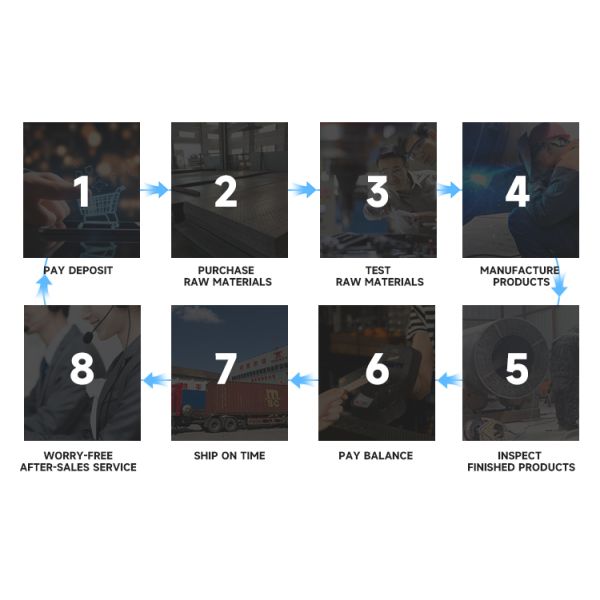
A: Yes. We provide comprehensive after-sales services, remote guidance or live teaching,whichever you like.
Q2.MOQ
A:As we are the manufacturer, the MOQ is one set.
Q3.Transportation
A: We provide many kinds of transportation and intermodal transportation, which under customers' requirements.
Q4.Warranty
A: Normally 12 months.
Q5.Packing
A: Wooden cases or containers directly.
Q6.Payment
A: T/T, L/C, Western Union, etc.
Q7.Discount
A: Factory direct supply, we will provide each customer the products with highest quality and best price. We will offer discounted prices during the promotion period or for the old customers.
Q8.Lead time
A: According to the kinds of the machine, it will be 7-10 working days or 15-30 working days.