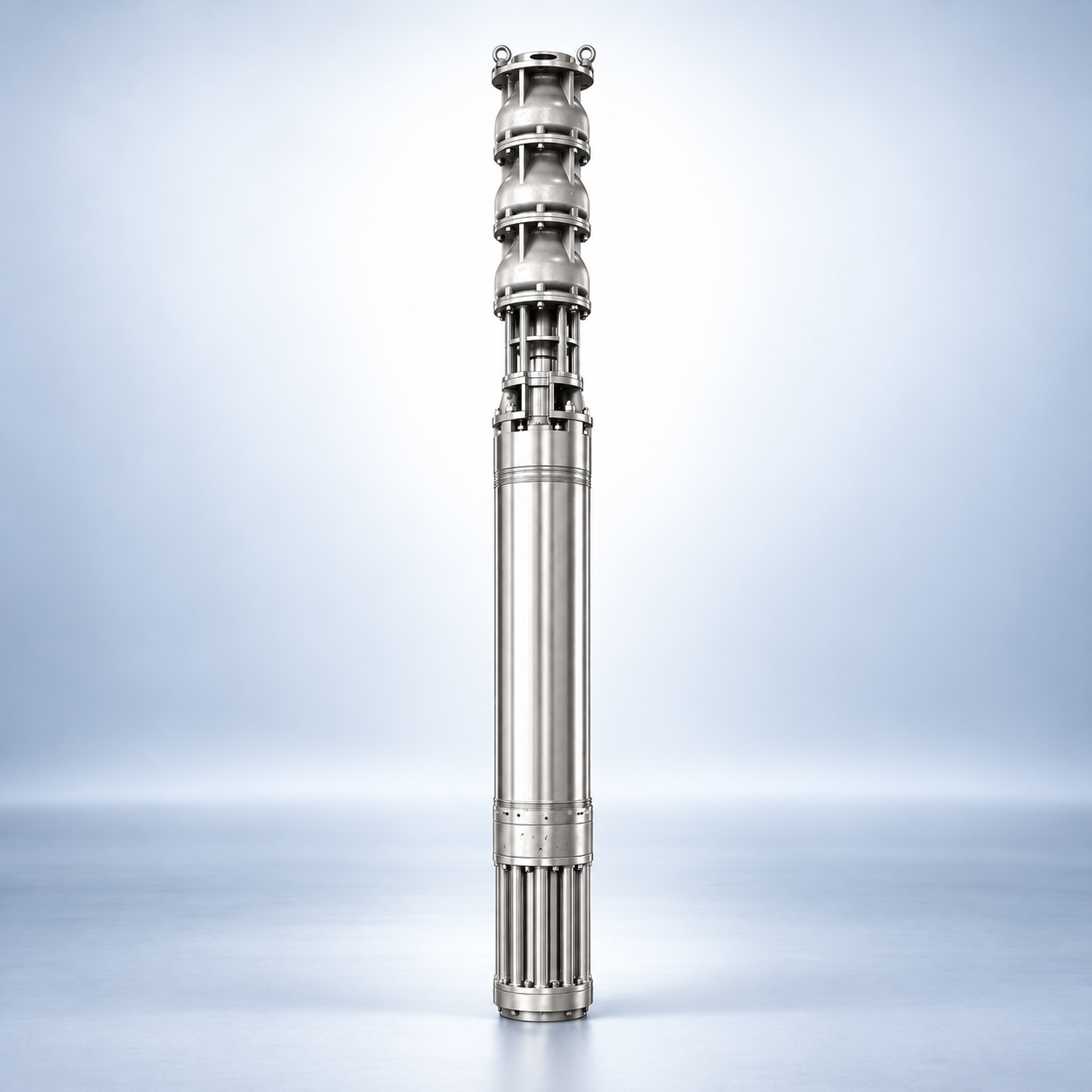
Heavy Duty Submersible Pump for Oil & Gas Drilling Platforms in the Middle East
Introduction
Oil and gas drilling platforms in the Middle East operate under some of the most extreme and demanding conditions in the world. From high temperatures and abrasive fluids to corrosive seawater and continuous-duty requirements, equipment reliability is critical. A heavy duty submersible pump is engineered to meet these challenges, delivering consistent performance in offshore and onshore drilling operations.
This article provides a comprehensive overview of heavy-duty submersible pumps, their advantages, applications, and how to select the right solution for oil and gas platforms in the Middle East.
Why Heavy Duty Submersible Pumps Are Essential for Oil & Gas Platforms
Drilling platforms require robust pumping systems capable of handling harsh environments and complex fluids. Compared to conventional pumps, submersible designs offer enhanced efficiency and durability.
Key Benefits:
- Superior Durability
Designed for continuous operation in harsh environments with minimal downtime.
- Corrosion & Abrasion Resistance
Constructed from high-grade materials such as SS316L, duplex stainless steel (2205/2507), and special alloys to resist seawater, chemicals, and sand particles.
- High Efficiency & Energy Savings
Direct submersion eliminates suction limitations, improving hydraulic efficiency.
- Compact Structure & Easy Installation
Ideal for space-constrained offshore platforms.
- Low Maintenance Requirements
Sealed motor design reduces wear and extends service life.
Typical Applications in Oil & Gas Drilling Platforms
Heavy-duty submersible pumps are widely used across upstream and midstream operations:
- Drilling Mud Transfer
Handles high-density fluids containing solids and chemicals.
- Produced Water Handling
Efficient removal and treatment of wastewater from extraction processes.
- Offshore Platform Dewatering
Removes accumulated water from decks and compartments.
- Seawater Intake & Cooling Systems
Provides reliable water circulation for cooling equipment.
- Emergency Flood Control
Rapid response pumping in case of water ingress.
- Refinery & Petrochemical Applications
Used for process water, wastewater, and chemical transfer.
Key Technical Specifications
When selecting a heavy-duty submersible pump for oil & gas platforms, consider the following parameters:
- Flow Rate: 20 – 3000 m³/h
- Head Range: 10 – 250 meters
- Power Range: 3KW – 500KW
- Material Options: SS304 / SS316 / SS316L / Duplex Stainless Steel / Super Duplex
- Motor Protection: IP68, explosion-proof (ATEX optional)
- Seal Type: Double mechanical seals (SiC/SiC, Tungsten Carbide)
- Temperature Resistance: Up to 80°C (customizable)
- Solid Handling Capacity: Suitable for fluids with sand, sludge, and particles
Designed for Middle East Operating Conditions
The Middle East presents unique operational challenges for oil and gas equipment:
- Extreme Ambient Temperatures
Pumps must perform reliably in temperatures exceeding 50°C.
- High Salinity & Corrosive Media
Offshore environments require advanced anti-corrosion materials.
- Sand & Abrasive Particles
विशेष耐磨设计 ensures long-term operation in sandy conditions.
- 24/7 Continuous Operation
معدات يجب أن تعمل بكفاءة عالية دون توقف.
Heavy-duty submersible pumps are specifically engineered to address these factors, ensuring operational safety and efficiency.
How to Choose the Right Heavy Duty Submersible Pump
Selecting the correct pump is crucial for maximizing performance and minimizing downtime. Consider the following factors:
- Fluid Type (clean water, drilling mud, produced water, slurry)
- Required Flow Rate & Head
- Solid Content & Particle Size
- Material Selection (SS316L or duplex for corrosion resistance)
- Explosion-Proof Requirements (ATEX)
- Power Supply Standards (typically 380V–690V, 50Hz/60Hz)
- Installation Environment (offshore platform, desert field, refinery)
Partnering with an experienced manufacturer ensures accurate selection and customization for your project.
Conclusion
A heavy duty submersible pump for oil & gas drilling platforms is a vital component for ensuring safe, efficient, and continuous operations in the Middle East. With advanced materials, robust construction, and high-performance design, these pumps are built to withstand the toughest environments.
Whether used for drilling fluid transfer, dewatering, or seawater handling, investing in a reliable submersible pump solution significantly reduces operational risks and maintenance costs.
FAQ (Frequently Asked Questions)
1. What makes a submersible pump “heavy duty” for oil & gas applications?
Heavy-duty pumps are designed with reinforced structures, high-grade materials, and powerful motors to handle extreme conditions, abrasive fluids, and continuous operation.
2. Are these pumps suitable for explosive environments?
Yes, many models are available with ATEX-certified explosion-proof motors, making them safe for hazardous oil and gas environments.
3. What materials are recommended for offshore platforms?
SS316L, duplex (2205), and super duplex (2507) stainless steels are highly recommended due to their superior corrosion resistance in seawater.
4. Can the pump handle fluids with sand and solids?
Yes, heavy-duty submersible pumps are designed with wear-resistant components and can handle fluids containing sand, sludge, and other particles.
5. What is the typical maintenance requirement?
Maintenance is minimal but should include:
- Periodic inspection of seals and bearings
- Monitoring motor performance
- Checking for wear in abrasive environments
6. Can pumps be customized for specific projects?
Absolutely. Pumps can be customized in terms of materials, voltage, frequency, sealing systems, and performance parameters to meet project-specific requirements.