Industrial Steel Building Structures
Q235 Q355 industrial steel structures with corrugated color steel sheet provide durable, efficient building solutions for industrial applications.
Core Definition and Basic Components
Definition
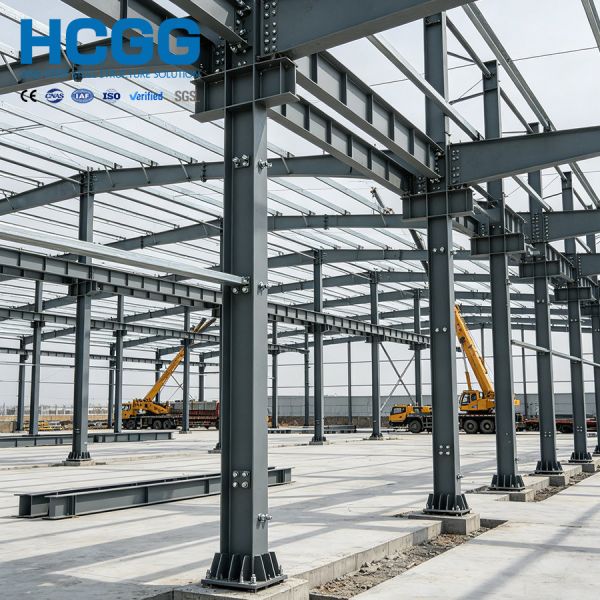
Utilizing hot-rolled H-beams, I-beams, channel steel, and steel plates as primary materials, a stable frame is formed through welding and bolting connections. This frame bears the entire building load including self-weight, equipment, wind, snow, and earthquakes. The exterior envelope and interior partitions primarily utilize lightweight materials such as metal sandwich panels and profiled steel sheets.
Core Structural Components
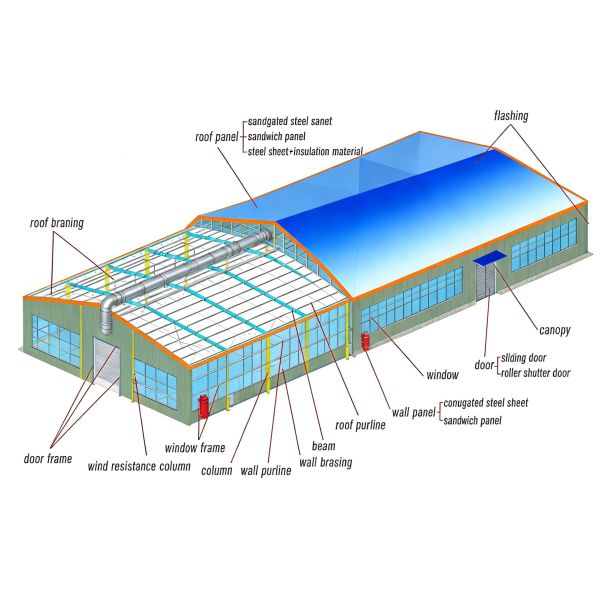
- Primary Framing: Steel columns, steel beams (portal frames are the mainstream), roof trusses/frames, forming the building's load-bearing skeleton and determining its span and height.
- Secondary Framing: Purlins, wall beams, and bracing systems (inter-column bracing, roof bracing), enhancing overall rigidity and stability.
- Envelope: Roof/wall corrugated steel panels, sandwich panels, skylights, doors and windows, providing waterproofing, insulation, heat insulation, and lighting.
- Ancillary Systems: Crane beams (suitable for heavy-duty production), ventilation/smoke extraction, fire protection, electrical systems, lightning protection, flooring, etc.
Mainstream Structural Forms
Portal Frame Structure
Applicable Scenarios: Spans 15–45m, single-story factories, warehouses, logistics centers (most commonly used).
Features: Simple components, high factory prefabrication rate, fast on-site installation, can achieve large spans without internal columns, maximizing internal space utilization.
Advantages: Economical cost, short construction period (30%–50% faster than traditional concrete).
Truss Structure
Applicable Scenarios: Extra-large spans (over 45m), large roof loads (such as hangars, large factories).
Features: Composed of triangular force-bearing systems of members, lightweight, large span, but more complex to manufacture and install than portal frames.
Multi-story Steel Frame Structure
Applicable Scenarios: Multi-story industrial plants, production + office complexes, vertical warehousing.
Features: Combination of columns, beams, and floor slabs; strong vertical load-bearing capacity; flexible layout of floors and functional areas.
Core Advantages
Spatial and Layout Advantages
- Large Span Column-Free: Single spans can reach 60m+, with no internal load-bearing columns, suitable for heavy equipment, automated production lines, and high-bay racking.
- Flexible and Adaptable: Easy layout adjustment; can be added/expanded to adapt to business iterations.
Construction and Cost Advantages
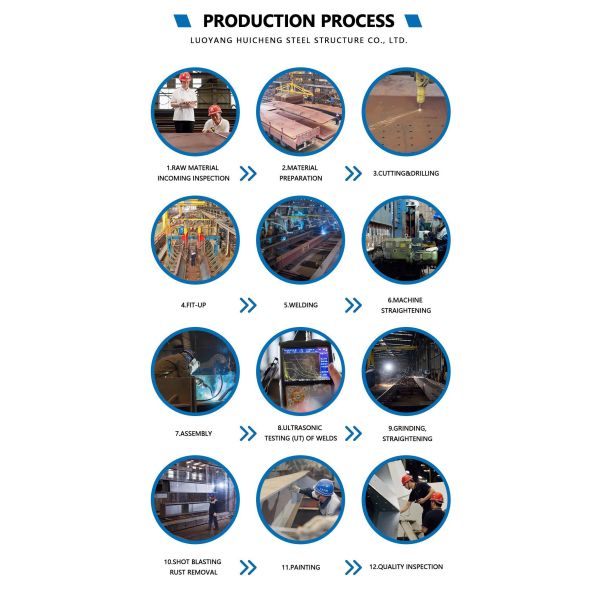
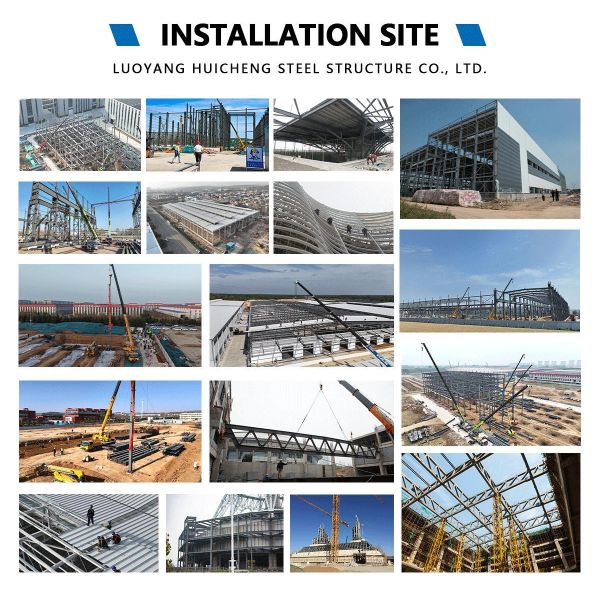
- Prefabrication and Assembly: Standardized component production in factories; on-site bolting/welding assembly; significantly shortened construction time (months → weeks).
- Lightweight: 40%–60% lighter than concrete, reducing foundation costs and lower foundation requirements.
- Low Overall Cost: Fast construction, less labor, simple maintenance, and high cost-effectiveness throughout the entire life cycle.
Performance and Durability Advantages
- High Strength and Earthquake Resistance: The steel has good ductility, providing strong resistance to earthquakes, typhoons, and impact loads.
- Durable and Corrosion-Resistant: Utilizing anti-corrosion coatings/galvanizing, the service life can reach 50+ years, offering moisture resistance, insect resistance, and aging resistance.
- Environmentally Friendly and Sustainable: The steel is 100% recyclable, resulting in less construction waste and meeting green building standards.
Functional Compatibility Advantages
- Suitable for Heavy Loads: Compatible with 5–50t cranes, meeting the needs of heavy industry, machinery, metallurgy, and other industries.
- Easy System Integration: Facilitates the layout of ventilation, fire protection, electrical, and piping systems, adapting to modern industrial production.