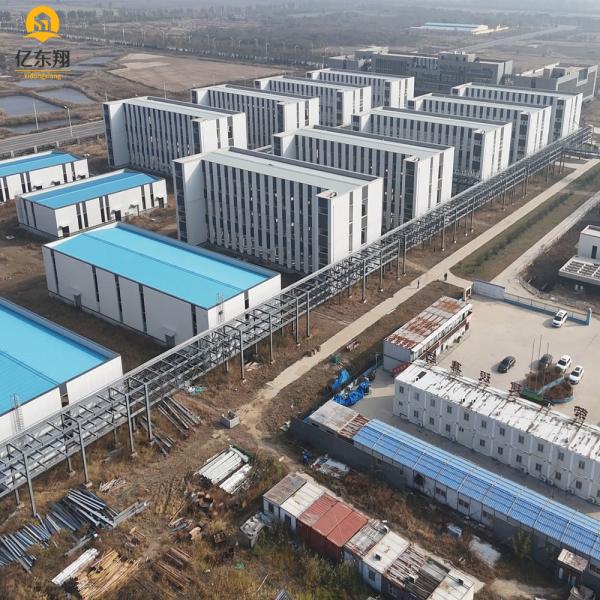
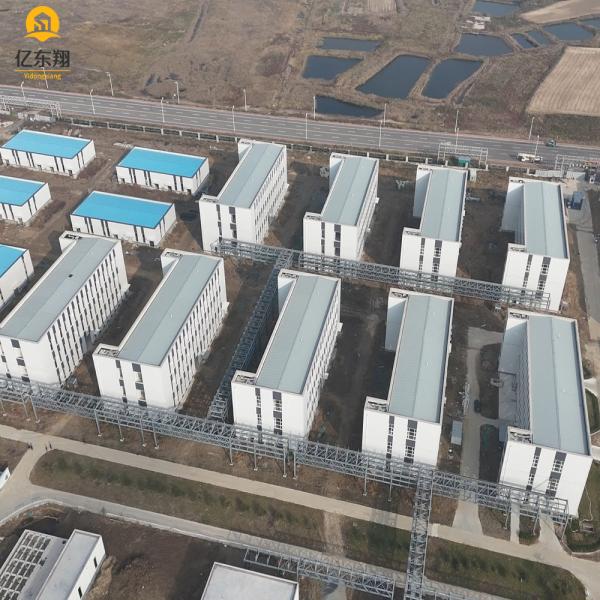
Modular Metal Frame Workshop Prefabricated Metal Warehouse Buildings
Summary
Steel metal frame structures require comprehensive planning of structural systems, materials, joints, construction methods, and maintenance. Through scientific design and quality control, these structures deliver safety, durability, and cost-effectiveness for diverse architectural applications.
Additional Information: Modern designs utilize BIM technology for 3D modeling, while steel's recyclability makes it ideal for green building initiatives.
| Attribute |
Value |
| Advantage |
Easy & Fast Install |
| Main Frame |
Q355 Q235 |
| Wall & Roof |
Sandwich Panel; Color Steel Sheet |
| Secondary Structure |
Purlin; Brace, Knee Brace Etc |
Metal Frame Workshop Metal Building Modular Design Prefabricated Steel Structure Warehouse
Introduction to Steel Metal Frame Structures
Steel metal frame structures use steel as the primary load-bearing component, widely applied in industrial plants, commercial buildings, and high-rise residential structures. These structures offer high strength, lightweight construction, rapid assembly, and excellent seismic performance, making them a preferred choice in modern construction.
Key Features
- High Strength: Superior tensile and compressive properties to withstand significant loads
- Lightweight: Reduced foundation pressure compared to concrete structures
- Flexibility: Easy processing and installation for complex design requirements
- Environmental Friendliness: Fully recyclable materials supporting sustainable development
Key Points of Design Scheme
(1) Structural System Selection
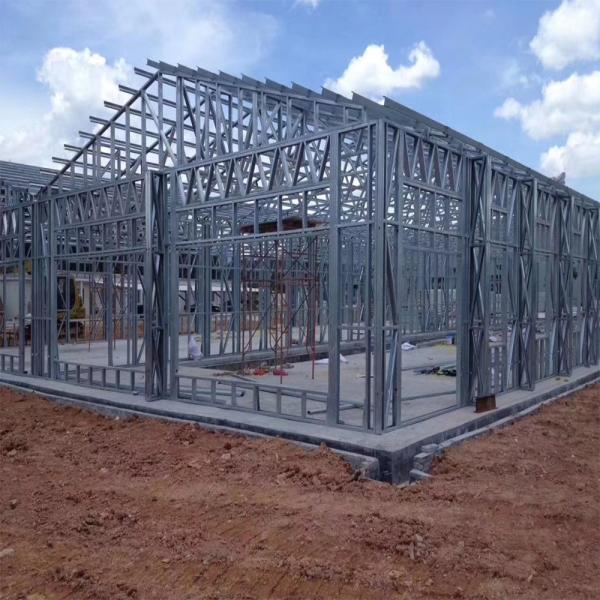
- Frame Structure: Ideal for multi-story buildings with flexible spatial layouts
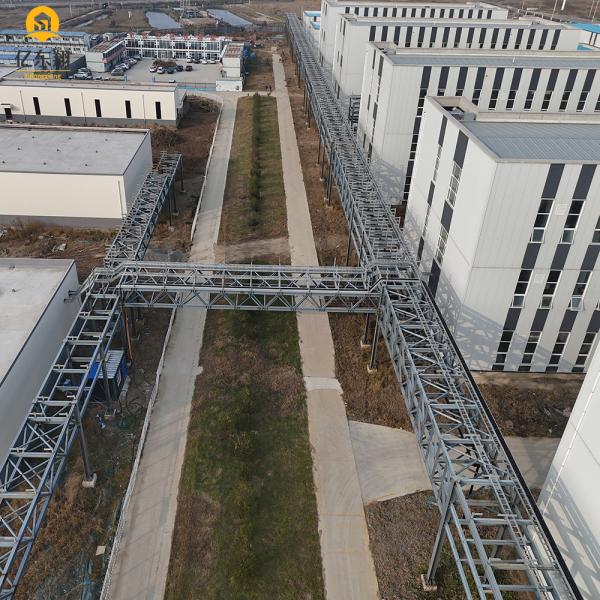
- Truss Structure: Optimal for large-span buildings like stadiums and exhibition halls
- Space Frame Structure: Suitable for complex spatial forms like airport terminals
(2) Material Selection
- Steel Type: High-strength Q235 and Q345 steels selected based on load requirements
- Anti-Corrosion Treatment: Hot-dip galvanizing or painting for enhanced durability
- Fire Protection: Fireproof coatings or boards for safety compliance
(3) Joint Design
- Rigid Joints: Welding or high-strength bolts for maximum stiffness
- Flexible Joints: Seismic zone designs to absorb earthquake energy
- Joint Reinforcement: Stiffeners or gusset plates for critical connections
(4) Construction Plan
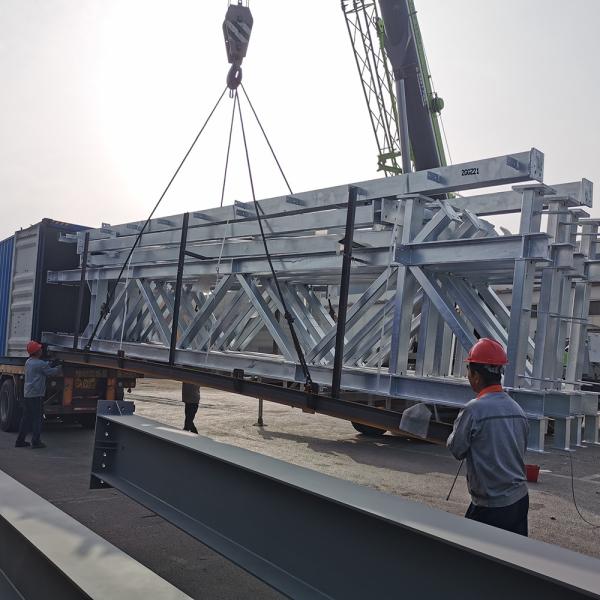
- Prefabricated Components: Factory manufacturing ensures precision and quality
- Installation Sequence: Strict adherence to design specifications
- Quality Control: Rigorous inspection of welding and bolting processes
(5) Monitoring and Maintenance
- Real-Time Monitoring: Sensor systems for stress and deformation tracking
- Regular Maintenance: Scheduled inspections for long-term structural integrity
Design Case Example
Project Name: Steel Structure Design for an Industrial Plant
Design Highlights
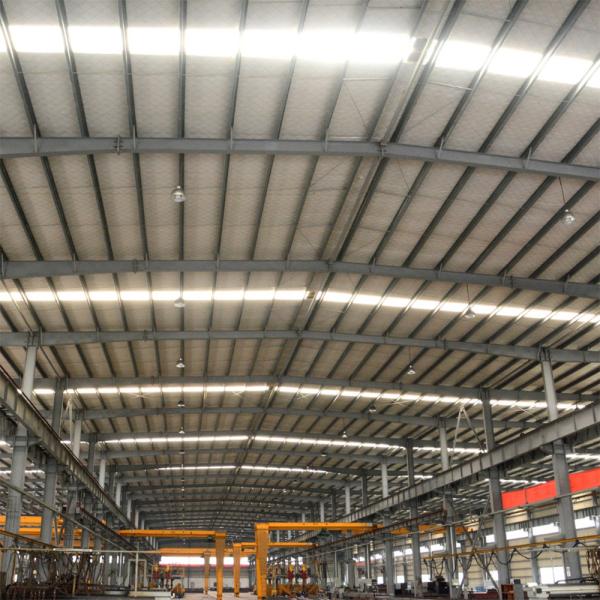
- Structural System: Rigid frame structure for large space requirements
- Material Selection: Q345 steel with hot-dip galvanizing
- Joint Design: High-strength bolted connections with reinforcement
- Construction Plan: Factory prefabrication for rapid on-site assembly
- Monitoring: Sensor installation for real-time structural analysis