MVR Evaporation with Dual Point Controllable Centrifugal Compressor
The MVR evaporation system features a dual point controllable centrifugal compressor that intelligently switches between low load (30%-50% rated flow) and high load (80%-110%) operating conditions through variable frequency drive and coordinated regulation with the inlet guide vane (IGV). It dynamically maintains stable outlet steam pressure in the range of 1.5-65 barg, avoids surge and blockage, and increases system COP by more than 15%.
The core system utilizes magnetic levitation bearings and dry gas sealing technology, ensuring oil-free operation throughout the entire process. Exhaust cleanliness reaches ISO 8573-1 Class 0 standard, fully meeting the requirements of high cleanliness processes food concentration.
The system integrates a multi-model adaptive predictive control (MPC) algorithm that optimizes speed and guide vane opening in real-time based on fluctuations in feed concentration and evaporation rate. With response time less than 1 second, it achieves seamless switching between multiple operating conditions and ensures continuous, stable steam production. Ideal for complex scenarios including zero discharge of high salt wastewater and evaporation crystallization of biopharmaceuticals in high humidity environments.
Technical Specifications
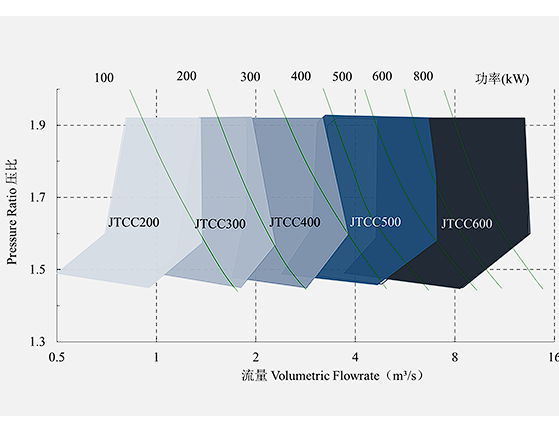
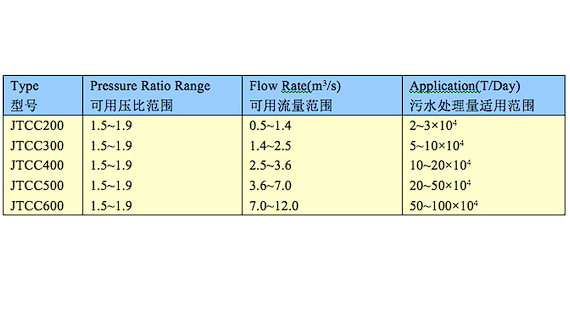
Single stage centrifugal compression with inlet guide vane pre-rotation and outlet guide vane adjustment. Single machine constant back pressure with adjustable air volume range of 45%-100%. Suitable for processes including biochemical wastewater treatment, flue gas desulfurization, sulfur recovery, and fermentation.
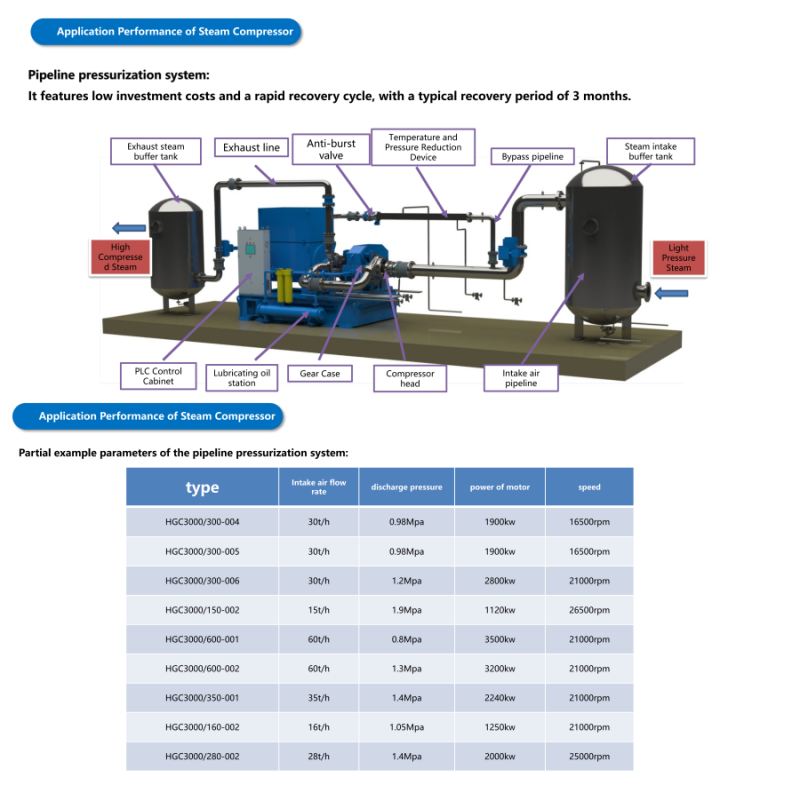
Steam Compressor Application Performance Comparison
Compared to other evaporator types, MVR evaporators offer the lowest energy consumption, smallest footprint, minimal impact on product quality, simple control systems, and high operational stability.
| Type |
Single Effect Evaporator |
Multi-effect Evaporator |
MVR Evaporator |
| Energy Consumption |
High energy consumption, theoretically requires 1 ton of steam to evaporate 1 ton of water |
More energy-efficient, energy consumption decreases as efficiency increases |
Most energy-efficient technology, requires only 15-50 KW/h of electricity per ton of water evaporated |
| Floor Area |
Small |
Large |
Small |
| Impact on Product Quality |
Short dwell time but high temperature, minimal impact on product quality |
Long dwell time, high temperature, minimal impact on product quality |
Short residence time, evaporation due to temperature difference, minimal impact on product quality |
| Energy Mode |
Requires steam heating, steam pipeline network and boiler |
Electricity only, no steam pipe network required, fully self-closing circulation system |
| Operating Cost |
High |
Higher |
Low |
| Stability |
Poor |
Poor |
Good |