| Products | stainless steel strip |
| Thickness | 0.1-3.0mm |
| Width | minimum width 5mm |
| MOQ | 20 kgs |
| Main Grade | 201 301 304 304L 309S 310S 316L 316Ti 410 420 430 436 439 441 444 440A/B/C,2205,2507,904L,C276,400,600,625,926,825.etc |
| Surface | BA 2B |
| Standard | ASTM EN GB JIS |
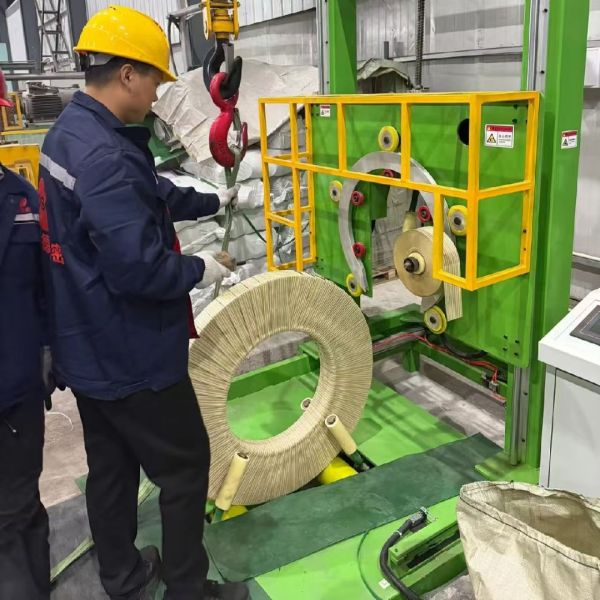
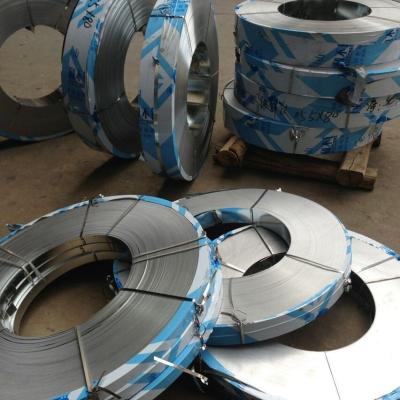
| Packing | wooden frame and water proof paper |
304 Stainless Steel Strips: A Comprehensive Guide to Tempers, Surface Finishes, and Slitting Precision
Stainless steel strips are essential components in a wide range of industries—from automotive and aerospace to electronics, medical devices, and consumer goods. Among the most widely used grades is AISI 304 stainless steel, prized for its excellent corrosion resistance, formability, and aesthetic appeal. When processed into thin strips with specific mechanical properties and surface finishes, 304 stainless steel becomes even more versatile. This article explores the key characteristics of 304 stainless steel strips in various tempers (Soft, 1/4H, 1/2H, 3/4H, FH), common surface finishes (2B and BA), and the importance of precision slitting without burrs.
Grade 304 (UNS S30400) is an austenitic stainless steel containing approximately 18% chromium and 8% nickel. It offers:
These attributes make it ideal for strip applications requiring both structural integrity and surface quality.
The mechanical properties of stainless steel strips are tailored through controlled cold rolling, which increases strength while reducing ductility. The degree of cold work defines the temper designation:
| Temper | Description | Typical Tensile Strength (MPa) | Yield Strength (0.2% Offset, MPa) | Elongation (%) |
|---|---|---|---|---|
| Soft (Annealed) | Fully annealed; maximum ductility | 515–620 | 205 min | ≥40 |
| 1/4 Hard (1/4H) | Light cold work; moderate strength increase | 585–725 | 275–345 | 25–35 |
| 1/2 Hard (1/2H) | Medium cold work; balanced strength & formability | 725–860 | 345–450 | 15–25 |
| 3/4 Hard (3/4H) | Heavy cold work; high strength, limited formability | 860–1000 | 450–550 | 8–15 |
| Full Hard (FH) | Maximum cold work; very high strength, minimal elongation | ≥1000 | ≥550 | ≤8 |
Application Guidance:
Surface finish significantly impacts appearance, corrosion resistance, and suitability for secondary processes like plating or painting.
| Feature | 2B Finish | BA Finish |
|---|---|---|
| Reflectivity | Low to medium | High (mirror-like) |
| Surface Roughness (Ra) | ~0.1–0.3 µm | ~0.05–0.1 µm |
| Post-Processing Needed? | Sometimes (for enhanced shine) | Rarely |
| Cost | Lower | Higher (due to controlled atmosphere annealing) |
| Typical Use | Functional parts, hidden components | Visible surfaces, premium products |
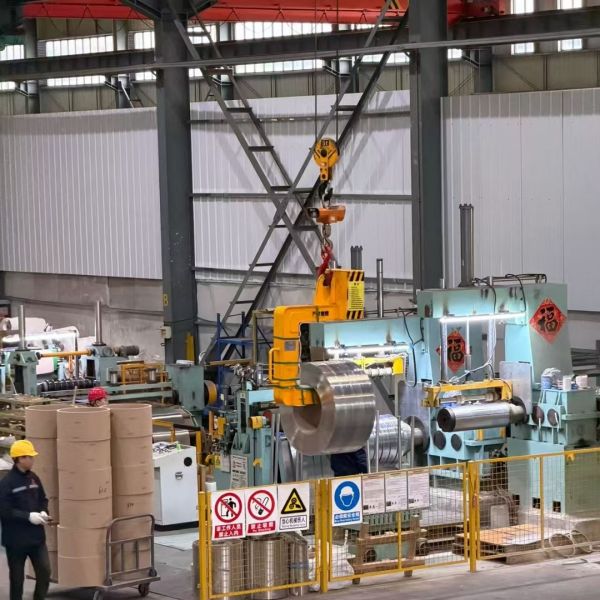
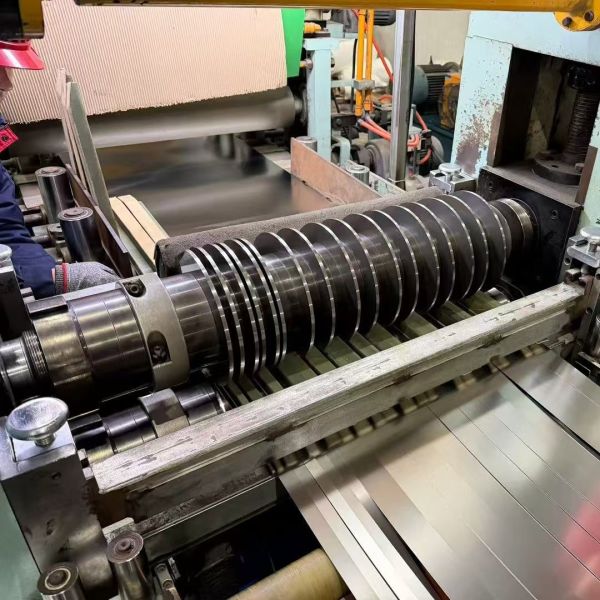
Slitting is the process of cutting wide stainless steel coils into narrower strips of precise widths. Burr-free slitting is critical for several reasons:
Modern slitting lines use precision-ground circular knives, optimized overlap and clearance settings, and real-time monitoring to ensure clean, straight edges. Post-slitting edge conditioning (e.g., brushing or tumbling) may be applied for ultra-sensitive applications.
Typical Slitting Tolerances for 304 Strips:
| Application | Recommended Temper | Preferred Finish |
|---|---|---|
| Flexible hose reinforcement | Soft / 1/4H | 2B |
| Battery contact strips | 1/2H / 3/4H | BA |
| Watch bands & jewelry | FH | BA |
| Automotive sensor housings | 1/4H | 2B or BA |
| Medical scalpel blades | FH | BA (electropolished) |
| Spring clips | 3/4H / FH | 2B |
Reputable suppliers adhere to international standards such as:
Certifications (e.g., ISO 9001, RoHS compliance) and mill test reports (MTRs) ensure traceability of chemical composition and mechanical properties.
304 stainless steel strips offer unmatched versatility through controlled tempers (Soft to FH), refined surface finishes (2B and BA), and precision slitting capabilities. Selecting the right combination depends on the application’s mechanical, aesthetic, and functional requirements. With advancements in metallurgy and processing technology, manufacturers can now deliver strips that meet the most demanding specifications—burr-free edges, tight tolerances, and consistent performance—making 304 stainless steel strips a cornerstone material in modern engineering and design.