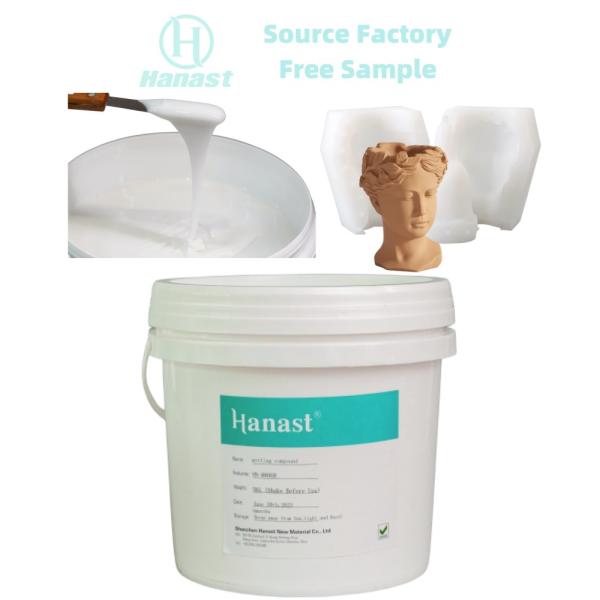
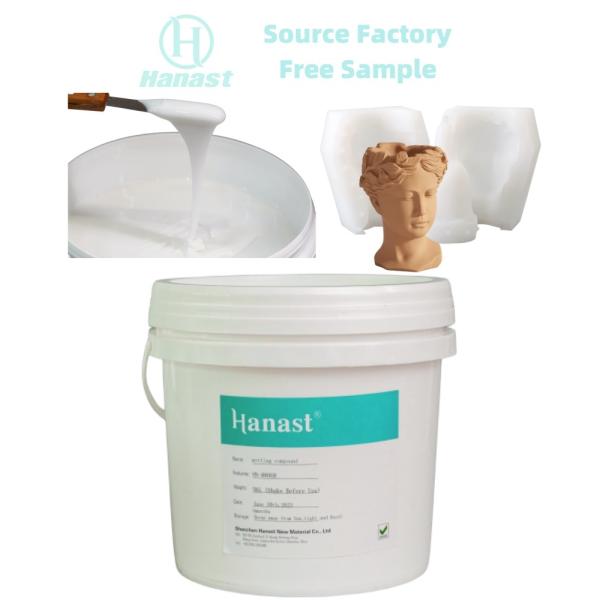
Description of Tin Cure Silicone Rubber
Our tin-cured (condensation-type) liquid silicone rubber is a high-grade two-component room-temperature vulcanized (RTV-2) silicone elastomer specially developed for flexible, high-precision mold production.
Adopting an easy-to-operate condensation curing system, this mold silicone achieves ultra-fine pattern replication, remarkable tear resistance and extended reusable mold lifespan.
Distinct from platinum-cured silicones, condensation-cure silicone boasts strong anti-inhibition performance during curing. It cures completely even when contacting difficult substrates including sulfur-containing clay, timber, 3D printing resin and gypsum. For craftsmen, industrial manufacturers and DIY users, it stands out as a highly reliable and cost-efficient mold-making material.
Feature of Tin Cure Silicone Rubber:
1. Zero cure inhibition
Compatible with nearly all model materials, no sticky uncured residues after curing
2. High tear & tensile strength
10–35 Shore A flexible molds, easy demolding for complex undercut sculptures without breakage
3. Great flow property
Low viscosity fills tiny gaps to restore every micro detail sharply
4. Economical option
Professional molding performance at far lower cost than platinum silicone for better profits
5. Customizable curing speed
Adjust tin catalyst proportion based on workshop temperature to slow down or accelerate curing process
Application of tin cured silicone rubber:
▪ Statue & Sculpture Casting: Reproduce detailed concrete, gypsum, plaster & resin artworks
▪ Architectural Restoration: Molds for cornices, stone veneers and building decorative parts
▪ Arts & Crafts: Durable molds for candles, soap and polyurethane craft casting
Operation method:
1. Mix the mold adhesive and curing agent in a weight ratio of 100:2-3 and stir evenly;
2. Place the mixed and stirred silicone gel into a vacuum machine for vacuum exhaust bubble treatment. The advantage of doing so is to make the product smooth and free of bubbles (without a vacuum machine, the curing time can be extended to allow bubbles to naturally discharge, but the effect is not very ideal);
3. Spray (apply) a layer of release agent on the already made mold and mold frame, fix the mold in the middle, and slowly and steadily pour the liquid silicone that has discharged the bubbles into the mold frame until the silicone completely covers the mold, and then let it rest until it fully solidifies;
4. Wait until the silicone gel of the mold is fully cured before demolding, and remove the silicone mold for edge treatment;
5. It is recommended to leave the silicone mold for 24 hours before putting it into use, in order to achieve the best use effect of the mold.
Storage & Transportation
1. Store the silicone products in a cool and dry environment.
2. Classified as non-hazardous goods for transportation.
3. Prevent direct skin contact with the tin curing agent. If contact occurs, wipe off the substance first, then thoroughly clean the skin with soap and running water.
4. Thoroughly read the Material Safety Data Sheet (MSDS) prior to operation.