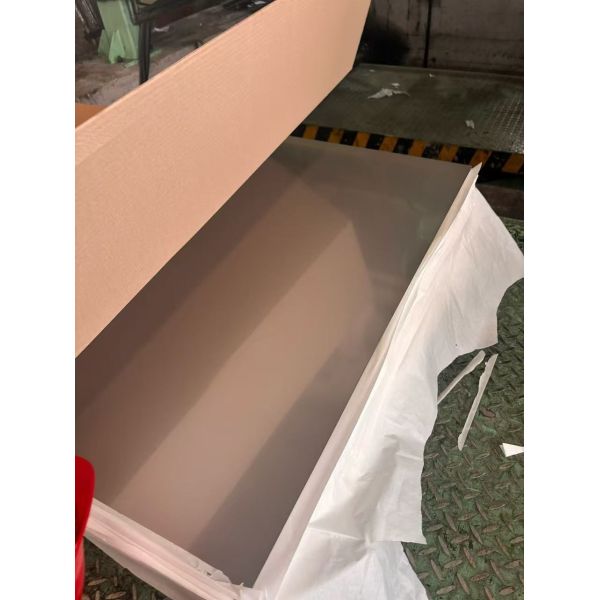
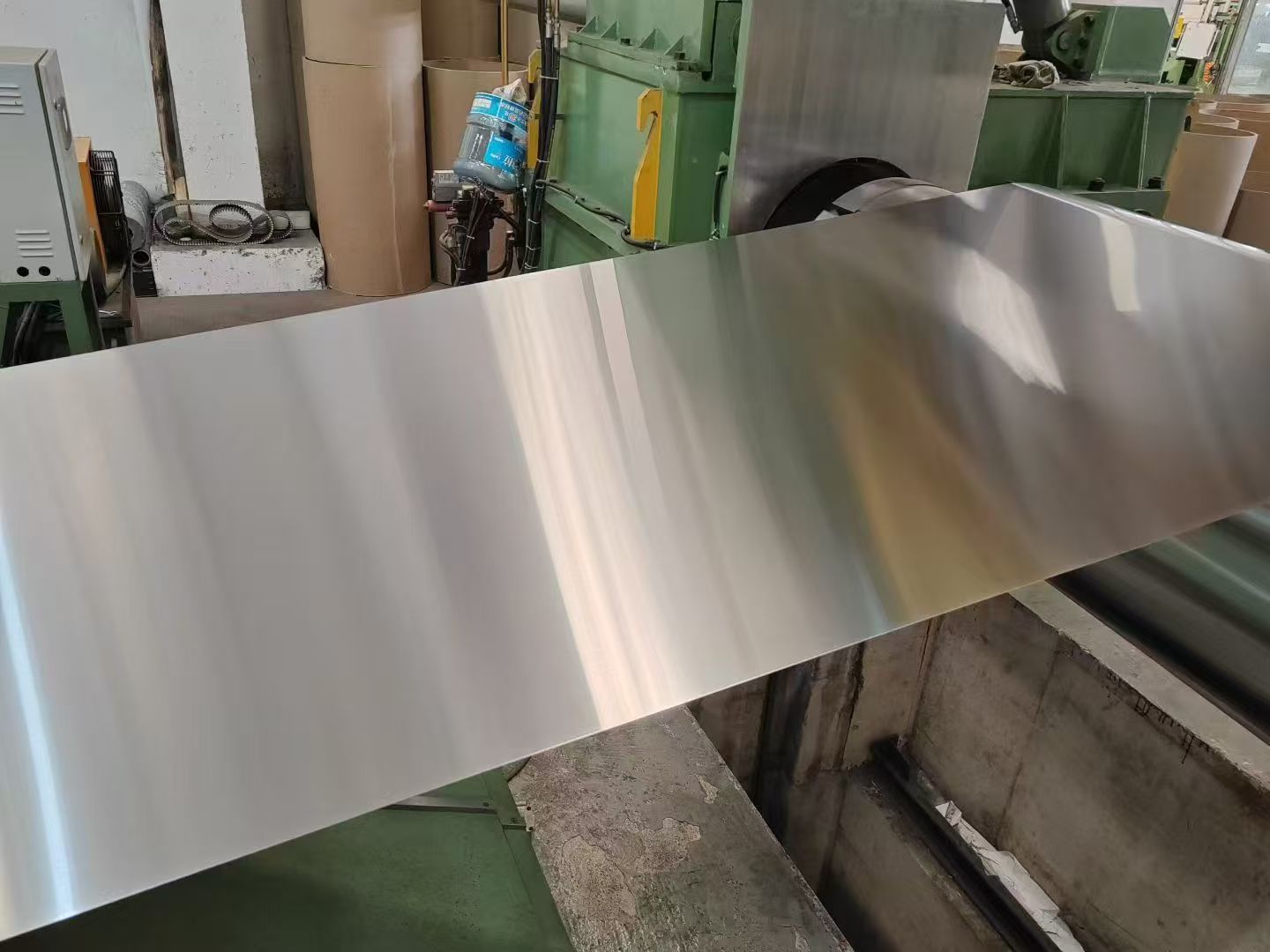
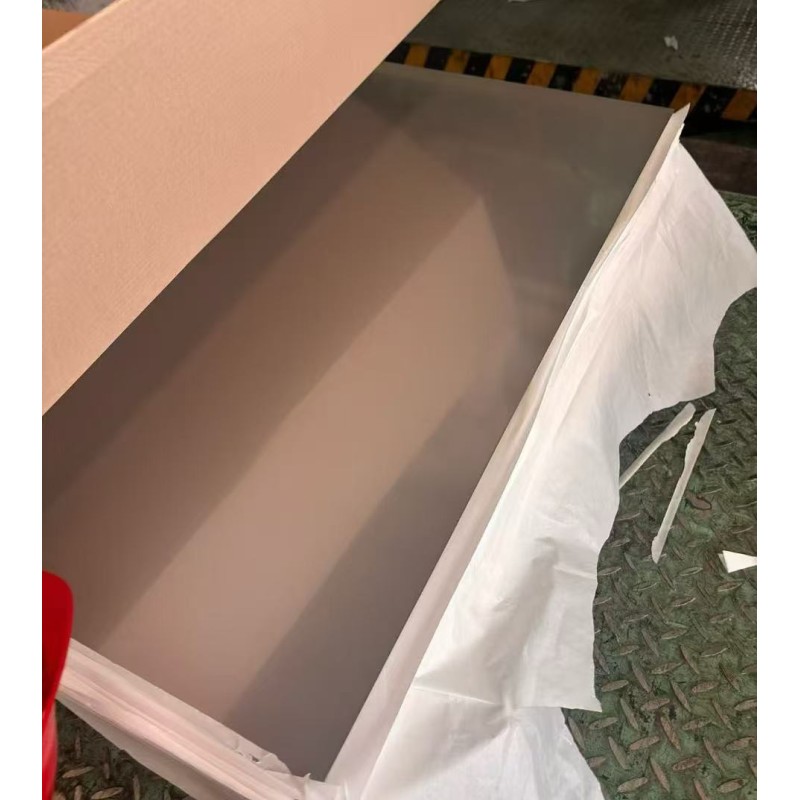
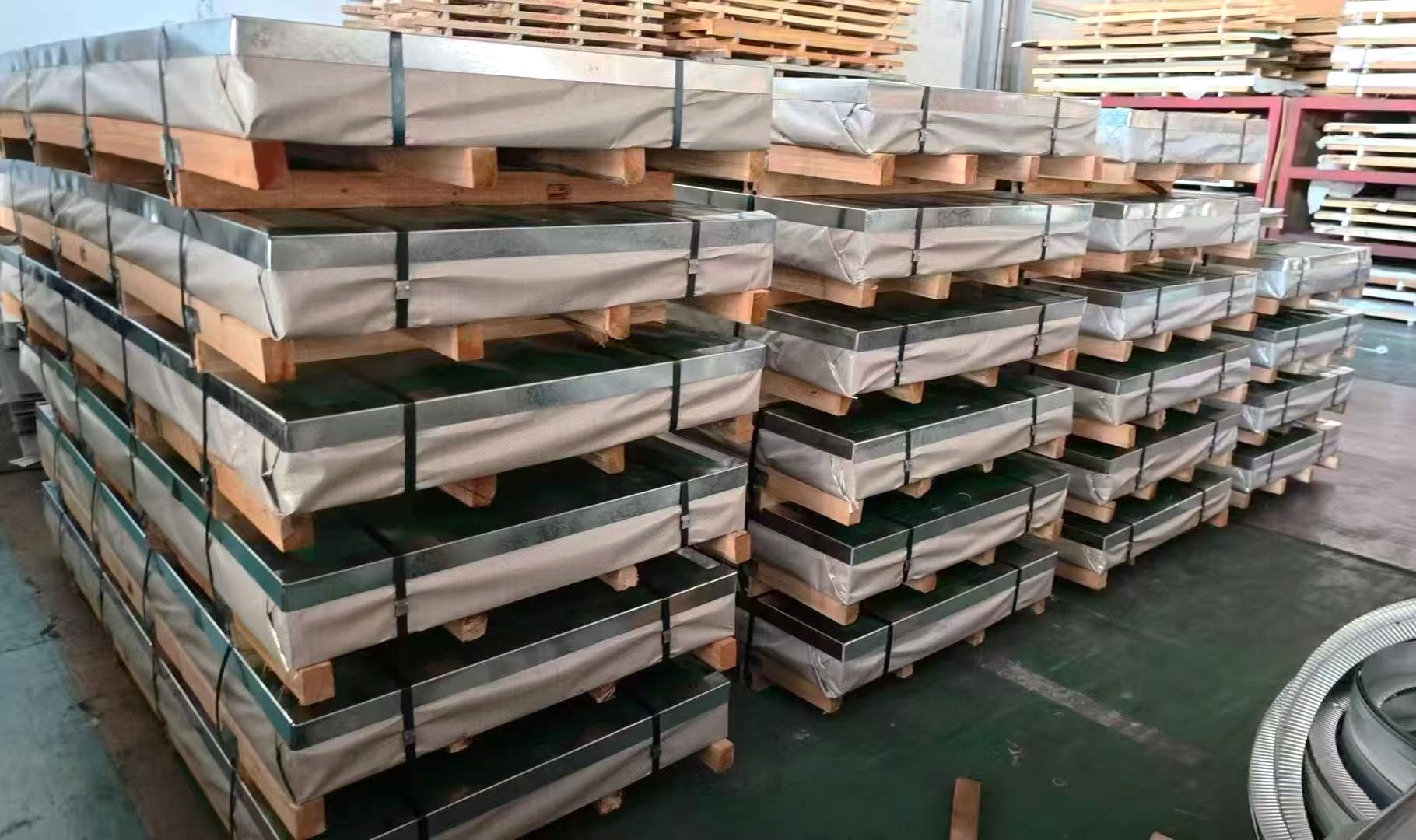
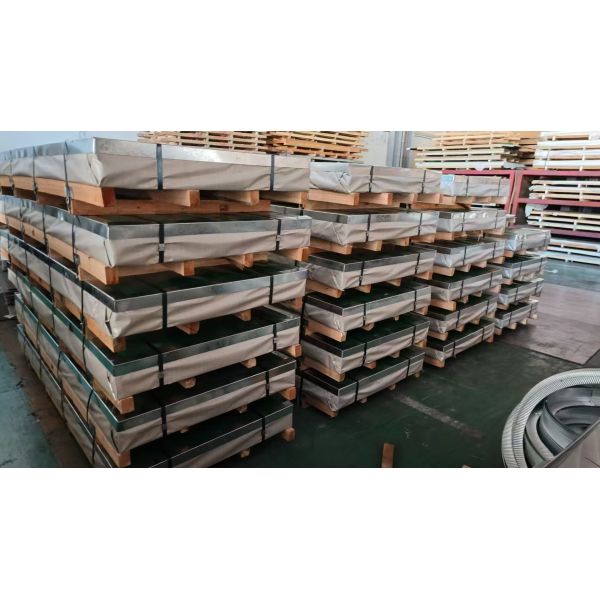
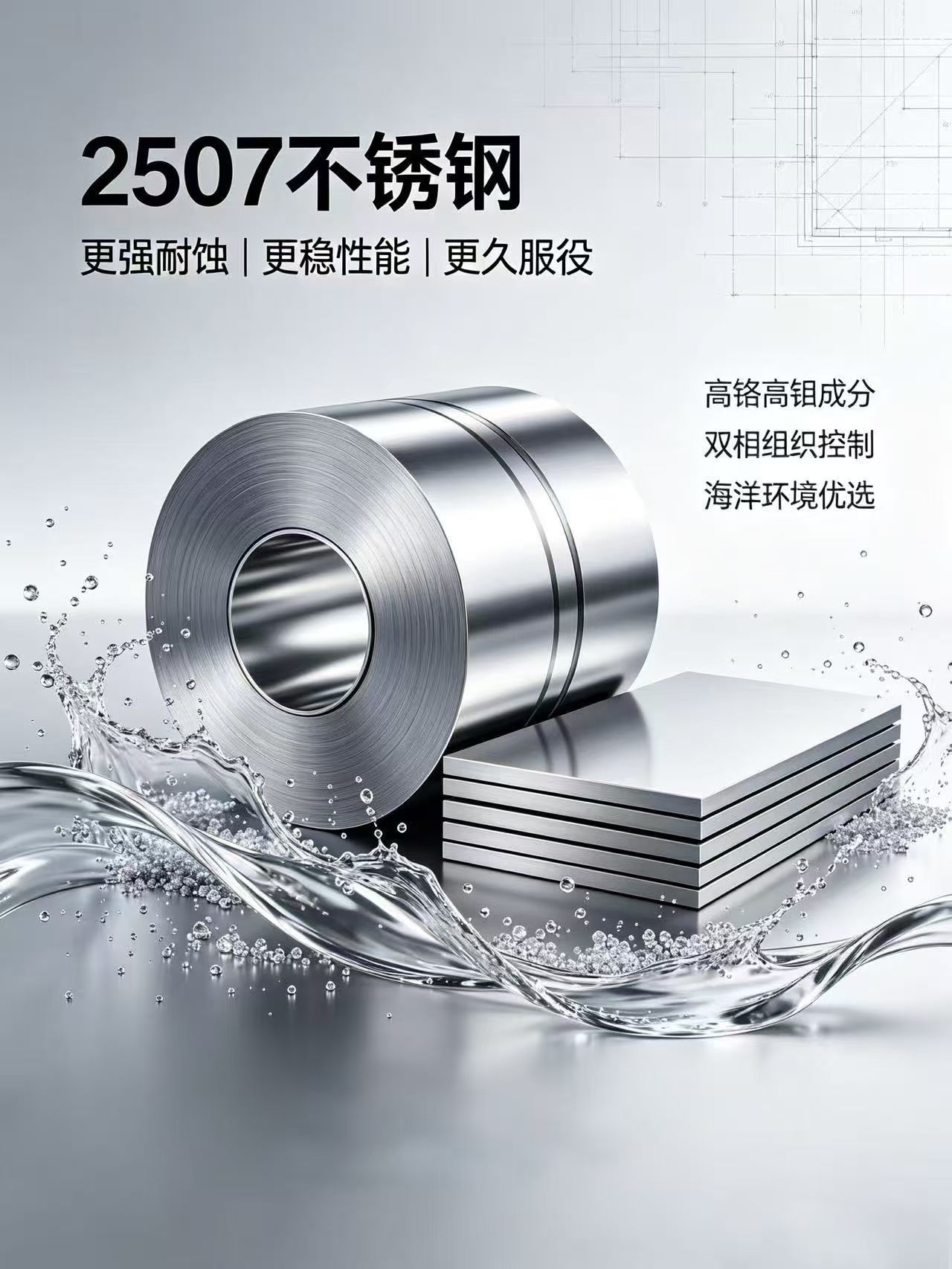
The core advantages of cold-rolled steel sheet (commonly known as cold-rolled plate) are smooth surface, high dimensional accuracy and uniform thickness. However, since it has not been softened by high-temperature annealing, it has higher strength than hot-rolled plate, but slightly poorer plasticity, along with residual stress on the surface.
It boasts an extremely high application penetration rate, mainly used in the following industries:
· Automotive manufacturing (the absolute mainstay, accounting for 40%~50%): Used for body outer panels (doors, hoods), internal structural parts and fuel tanks. The high surface quality and stamping performance of cold-rolled plates are key to ensuring automotive appearance and assembly precision.
· Home appliances and electronics (extremely strict surface requirements): Shells of refrigerators/washing machines, microwave oven cavities, computer cases, etc. The surface of cold-rolled plates can be directly painted or laminated without polishing.
· Metal products and hardware (core for precision): Filing cabinets, hardware stamping parts, precision steel pipes. Relying on the small thickness tolerance of cold-rolled plates (up to ±0.01mm) to ensure interchangeability.
· Packaging and containers (thin-wall requirements): Steel drums, aerosol cans, tinplate for can making (tin-plated after cold rolling). Cold-rolled plates can be rolled to less than 0.1mm for lightweight packaging.
· Construction and decoration (aesthetic demands): Galvanized/color-coated base plates (cold-rolled plates are the best substrate before coating), roof panels, partition keels.
Key Pitfalls to Avoid (Must Read Before Selection)
1.For bending/stamping (plastic forming) → Be sure to choose cold-rolled plate in annealed condition (soft state), otherwise hard-state plate will crack directly.
- For rust prevention (exposed environment) → Cold-rolled plate itself is not rust-resistant and must be treated with galvanizing, color coating or spraying.
- For welding (especially thick plates) → Cold-rolled plate has high internal welding stress, so deformation control is required. If necessary, hot-rolled plate can be used instead to reduce costs.
How to Choose Between Cold-Rolled and Hot-Rolled Plates?
For thin thickness, bright surface and high precision → Cold-rolled (but about 200~500 yuan/ton more expensive).
· For thick thickness (>4mm), low cost and good weldability → Hot-rolled (cold-rolled cannot achieve such thickness).
If you can conveniently disclose the specific component (such as deep-drawn part/structural part) and thickness requirements, I can help you confirm whether to choose ordinary cold-rolled plate (SPCC) or stamping-special cold-rolled plate (SPCD/SPCE).