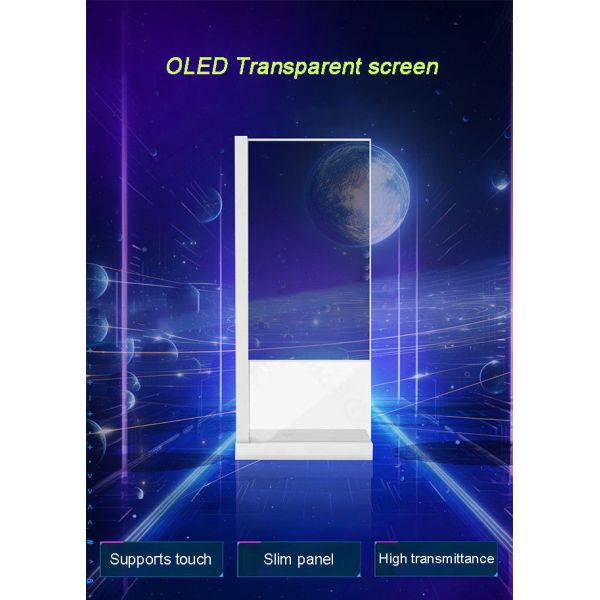
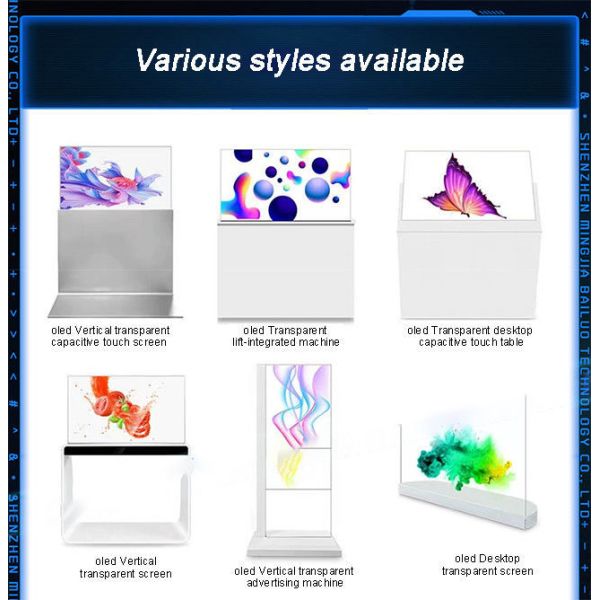
The 4K Capacitive Touch Transparent OLED Screen combines detailed visual content, a see-through display surface, and direct touch interaction. Visitors can select information, explore product features, view diagrams, and navigate media while the physical object or environment behind the panel remains visible.
It is suitable for retail demonstrations, exhibition systems, museum interpretation, corporate showrooms, and custom interactive installations. Its value is not limited to image quality or transparency. The complete experience depends on whether the capacitive touch interface responds accurately, remains easy to understand, and works reliably after integration into the final structure.
Public users expect a touchscreen to respond immediately. If a button requires repeated tapping, activates the wrong command, or reacts slowly, visitors may assume the entire system is faulty.
A precision review should evaluate:
Touch performance should be tested with the final mounting structure and software rather than judged only from an uninstalled sample.
The intended user task affects screen height, orientation, reach distance, interface depth, and controller requirements. Define the interaction flow before approving the enclosure.
A practical public-use sequence may include:
The main task should remain short enough for first-time visitors to complete without staff instruction.
A 4K Transparent OLED Screen can present detailed product images, diagrams, text, and visual explanations. However, higher visual detail should not lead to an overcrowded interface.
Use the available image detail for:
Keep the opening screen simple. Detailed information should appear after the visitor selects a topic.

Buttons that look attractive in a desktop mockup may be too small for public interaction. Controls should be designed according to finger size, viewing distance, and installation height.
For better usability:
Every touch should produce immediate visual feedback so the user knows the system has received the command.
Transparent OLED content must work with the object, fixture, or interior behind the screen. Busy backgrounds can reduce text readability and make controls difficult to identify.
The first interface mockup should show:
Use open layouts, strong contrast, concise text, and controlled motion. Avoid covering the entire panel with opaque menus, as this removes much of the transparent visual effect.
Do not test only the centre of the panel. Interactive controls may appear near corners, edges, or over different background areas.
The acceptance test should include:
Confirm that primary menu buttons respond accurately and consistently.
Test back, home, language, and navigation buttons positioned near the perimeter.
Use the same controls repeatedly to identify missed touches or inconsistent behavior.
Test whether quick user actions cause duplicate input, delayed response, or incorrect page changes.
If the software supports swiping, dragging, zooming, or rotation, verify each gesture using the final application.
The exact supported touch behavior depends on the selected hardware and software configuration.
A public display may be used by visitors of different heights, ages, and technical abilities. Some users will tap firmly, while others will touch lightly or move quickly.
Testing should include:
Any special requirement, including operation with gloves or other input conditions, should be confirmed during product specification rather than assumed.
A precise touch interface still feels unreliable if the display moves, flexes, or vibrates during use. The mounting system should provide stable support while protecting the transparent panel.
The installation review should cover:
The final screen angle should also limit reflections without making controls uncomfortable to reach.

Final approval should evaluate the display, touch layer, software, content, mounting, background, and lighting together.
Ask real visitors to complete the main task without guidance. Observe whether they recognize the screen as interactive, select the correct controls, understand the information, and return to the starting point.
The 4K Capacitive Touch Transparent OLED Screen is a strong option when a project requires detailed content and accurate interaction without completely hiding the physical scene behind the display.
When touch targets, visual hierarchy, background contrast, mounting stability, recovery behavior, and real-user testing are planned together, the system can provide a responsive and convincing interactive experience rather than simply adding touch functionality to a transparent panel.
If you would like to get the specification about above product, or you hope to discuss your requirements or need any additional information on our this product , then please do not hesitate to send us a inquiry and contact our sales team now.