Introduction
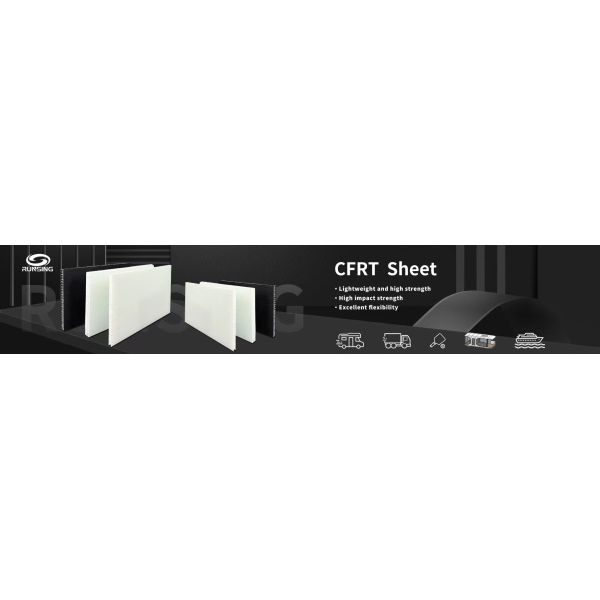
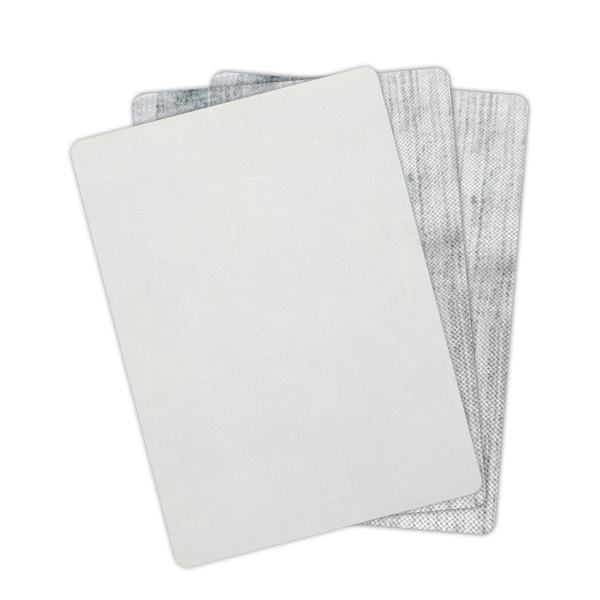
Against the backdrop of the rapid development of materials science, materials that integrate functionality, processing flexibility and environmental friendliness have become the core driving force for the innovation and upgrading of various industries. As a representative sheet material made from thermoplastic plastics, thermoplastic sheets break the limitations of traditional materials in shape forming and performance customization, thanks to their reversible characteristic of softening when heated and solidifying when cooled, as well as their compatibility with diverse processing technologies such as injection molding, extrusion and calendering.Ranging from PE, PP, PVC, ABS, acrylic to PC, different types of thermoplastic sheets form a product matrix covering high, medium and low-end demands in terms of density, heat resistance temperature and core functions. They not only boast excellent physical and chemical properties including acid and alkali resistance, impact resistance and high light transmittance, but also feature prominent advantages such as efficient molding, convenient secondary processing and recyclability. |  |


Packaging & Shipping
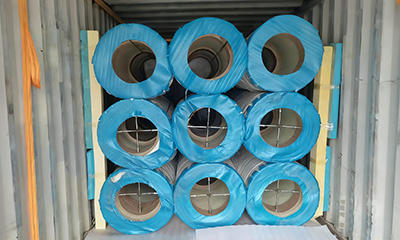
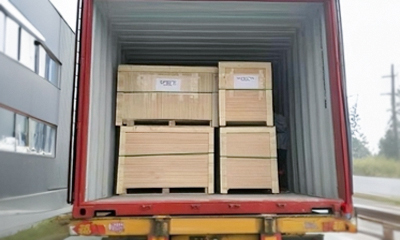
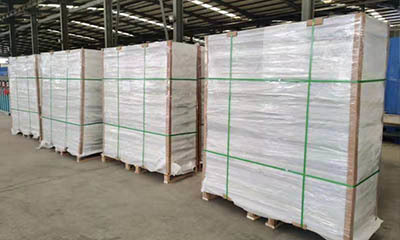
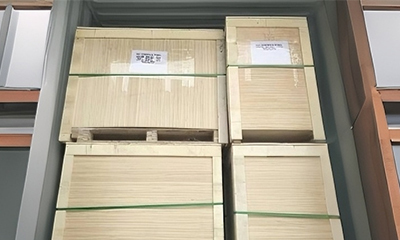
To address product damage from violent shaking and collisions during long-distance transportation, we offer two protective solutions:
- Standard protection: Securing products with iron frames, wooden pallets and other accessories to guarantee basic transportation safety.
- Customized protection: Delivering tailored packaging based on your specific requirements, with 30% enhanced performance compared to the standard solution (e.g., specialized shock-absorbing materials, custom-fitted frames).
Core Characteristics of Thermoplastic Sheets
The extensive application of thermoplastic sheets stems from their unique material advantages:
- Functional Versatility: Transparency/opacity, hardness adjustment and color customization can be achieved through formula modification, meeting the needs of different scenarios.
- Controllable Physical Properties: The performance range is wide, from flexible PE and rigid PC to insulating PVC and conductive modified varieties.
- Chemical Stability: Most types are resistant to acid and alkali corrosion (especially PP and PE), making them suitable for use in harsh environments.
- Flexible Forming Methods: Compatible with various processing techniques such as cutting, drilling, welding, hot bending, vacuum forming and laser engraving.
- High Production Efficiency: Extrusion molding enables continuous production, ideal for large-scale manufacturing; thermoforming processes are suitable for complex shapes.
- Convenient Secondary Processing: Can be compounded with metals, wood, fabrics and other materials to expand application boundaries.
- Strong Cost Adaptability: The price range covers high, medium and low-end demands, from economical PVC to high-performance PC.
- Recyclability: Most thermoplastic sheets can be recycled and reprocessed, in line with the trend of circular economy.
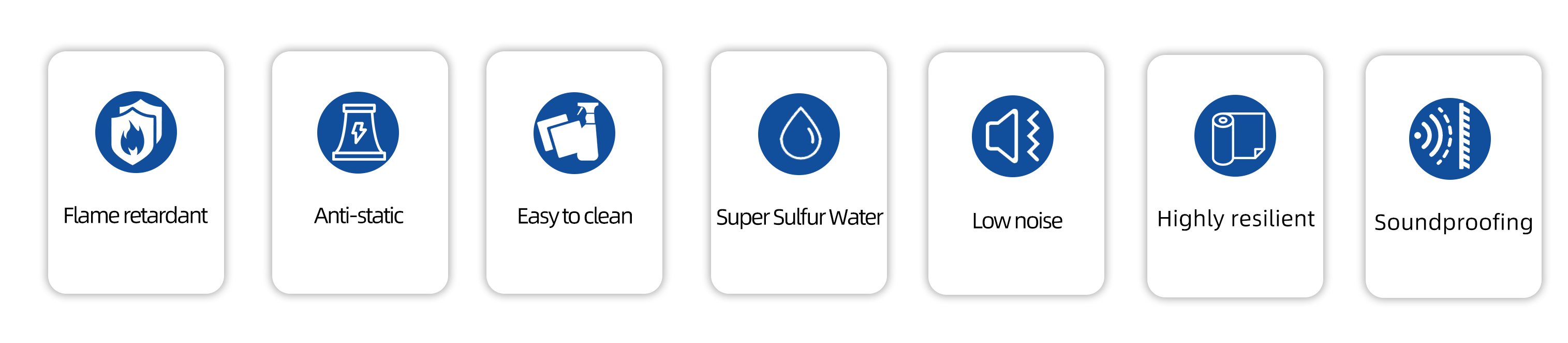
- Low Maintenance Cost: The surface is easy to clean, and its aging resistance is superior to that of some traditional materials.
Call to Action
Free sample application: Experience its lightweight, high strength and excellent durability in person.