carbon fiber sheet Extreme Lightweight High Strength Low Thermal Expansion Stability
Introduction
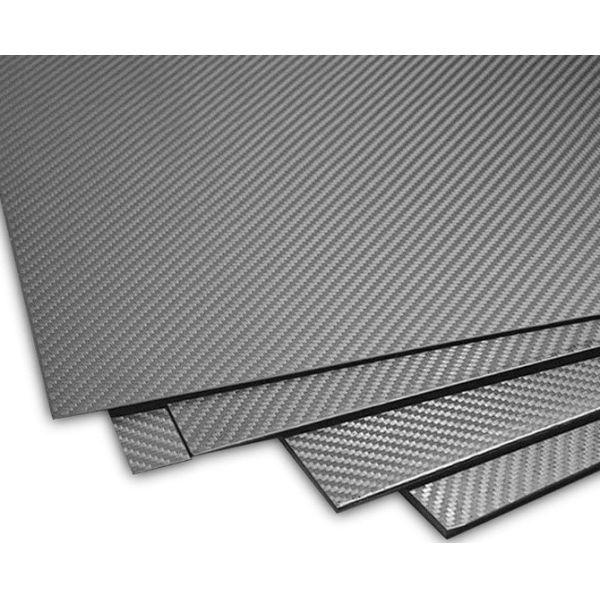
Carbon fiber panels are high-tech composite plates made from carbon fiber tows (fabrics) as the reinforcing material and epoxy resin, vinyl ester, etc., as the matrix. They are manufactured through precision processes such as prepreg layup, molding, autoclave curing, or pultrusion, representing the top level of light weight, high strength, and high modulus. |  |


Packaging & Shipping
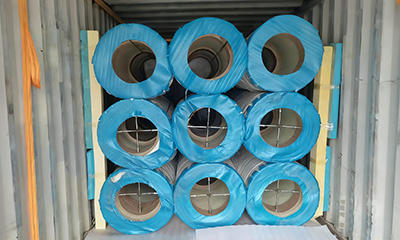
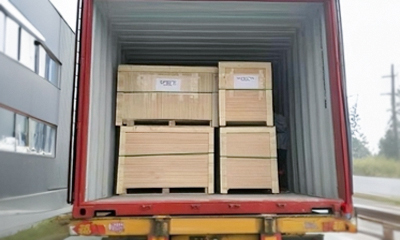
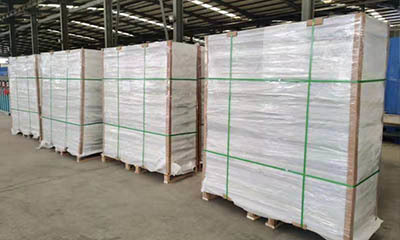
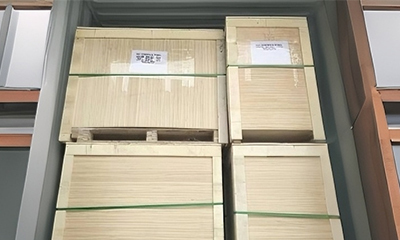
To address product damage from violent shaking and collisions during long-distance transportation, we offer two protective solutions:
- Standard protection: Securing products with iron frames, wooden pallets and other accessories to guarantee basic transportation safety.
- Customized protection: Delivering tailored packaging based on your specific requirements, with 30% enhanced performance compared to the standard solution (e.g., specialized shock-absorbing materials, custom-fitted frames).
Core Advantages
- King of specific strength/specific modulus: Its specific strength (strength/density) and specific modulus (modulus/density) are several to dozens of times that of metal materials.
- Benefits:
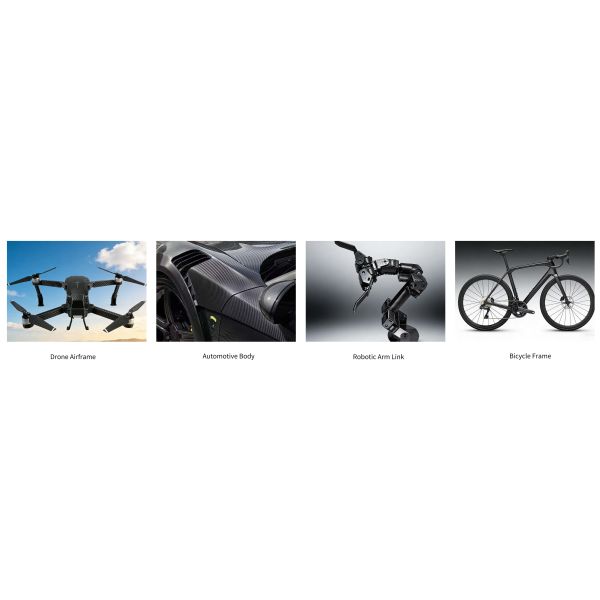
- Weight reduction and efficiency improvement: In aerospace, automotive, and UAV fields, every 1kg weight reduction means higher transportation efficiency, lower energy consumption, and stronger maneuverability.
- Product performance enhancement: Used in robot arms and high-end sports equipment, it can reduce inertia, achieving faster response speed and higher operational precision.
- Fatigue resistance: The fatigue strength of carbon fiber composites is much higher than that of metals, with extremely strong tolerance to alternating loads.
- Benefits:
- Extended service life: Used in components bearing repeated loads such as vehicle leaf springs and mechanical arms, their service life can be several times that of metal components, achieving optimal whole-life cycle costs.
- Enhanced safety margin: High fatigue strength means lower risk of accidental failure, providing higher safety guarantees in key structural parts.
- Minimal dimensional change with temperature: Its thermal expansion coefficient is close to zero, or even negative.
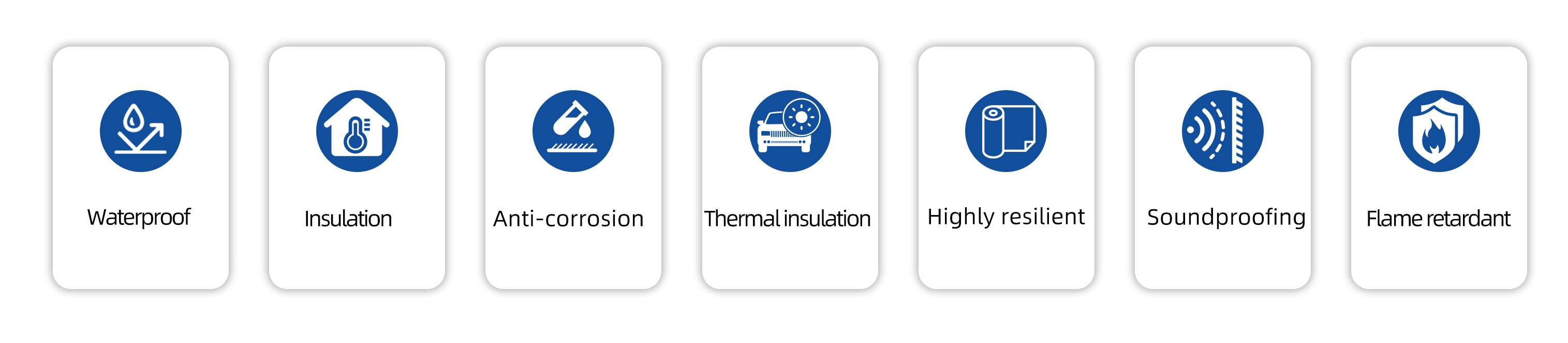
- Natural corrosion-resistant material: Excellent resistance to the atmosphere, acids, alkalis, salts, and other media.
- Benefits:
- Stability in extreme environments: Suitable for fields highly sensitive to thermal deformation such as optical platforms and space telescope brackets.
- Maintenance-free and durable: Suitable for corrosive environments such as chemical industry and marine applications, no need for frequent anti-corrosion treatments like metals.