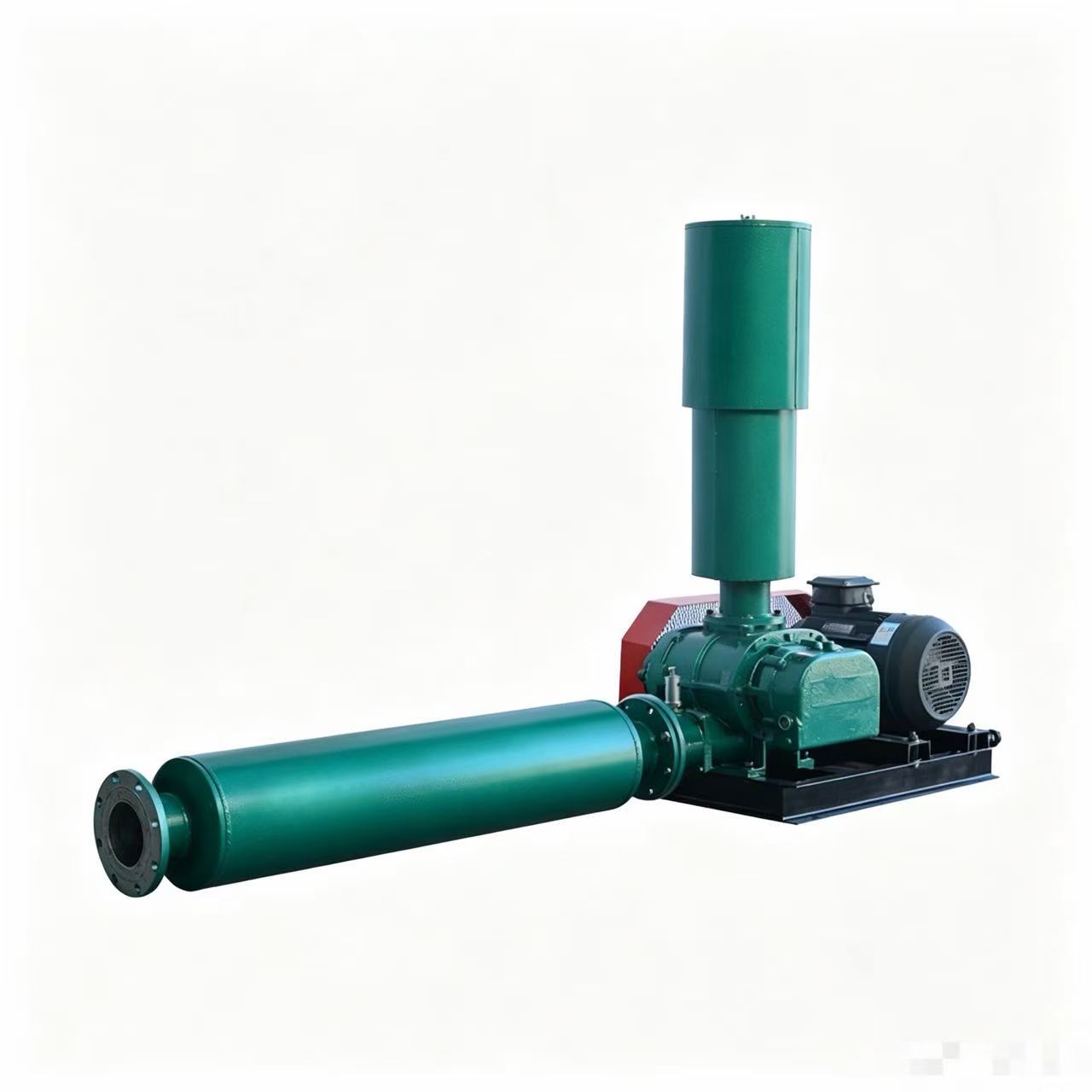
Product Description:
Roots Blower Overview
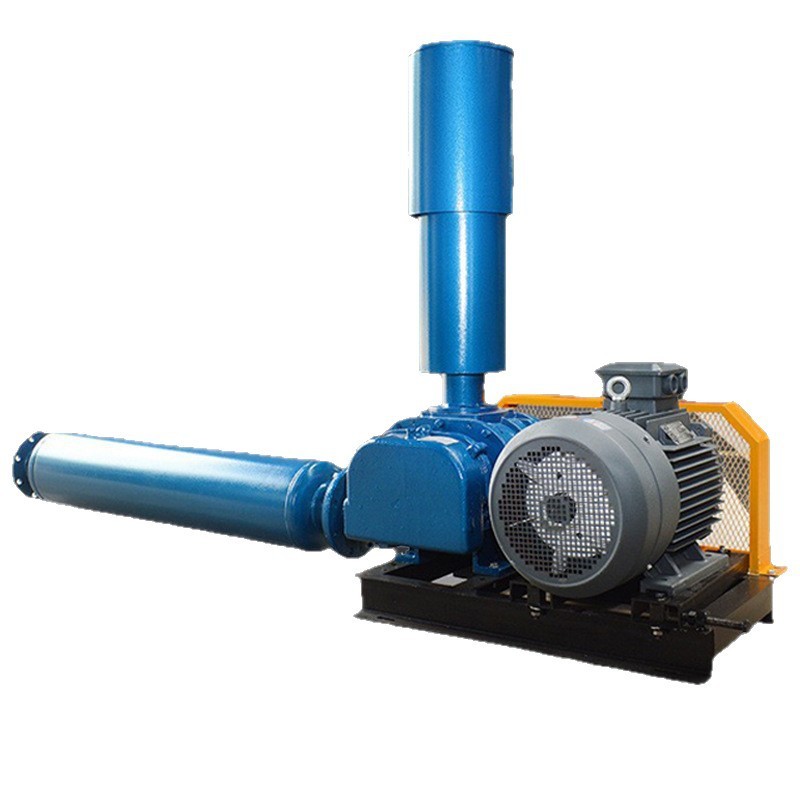
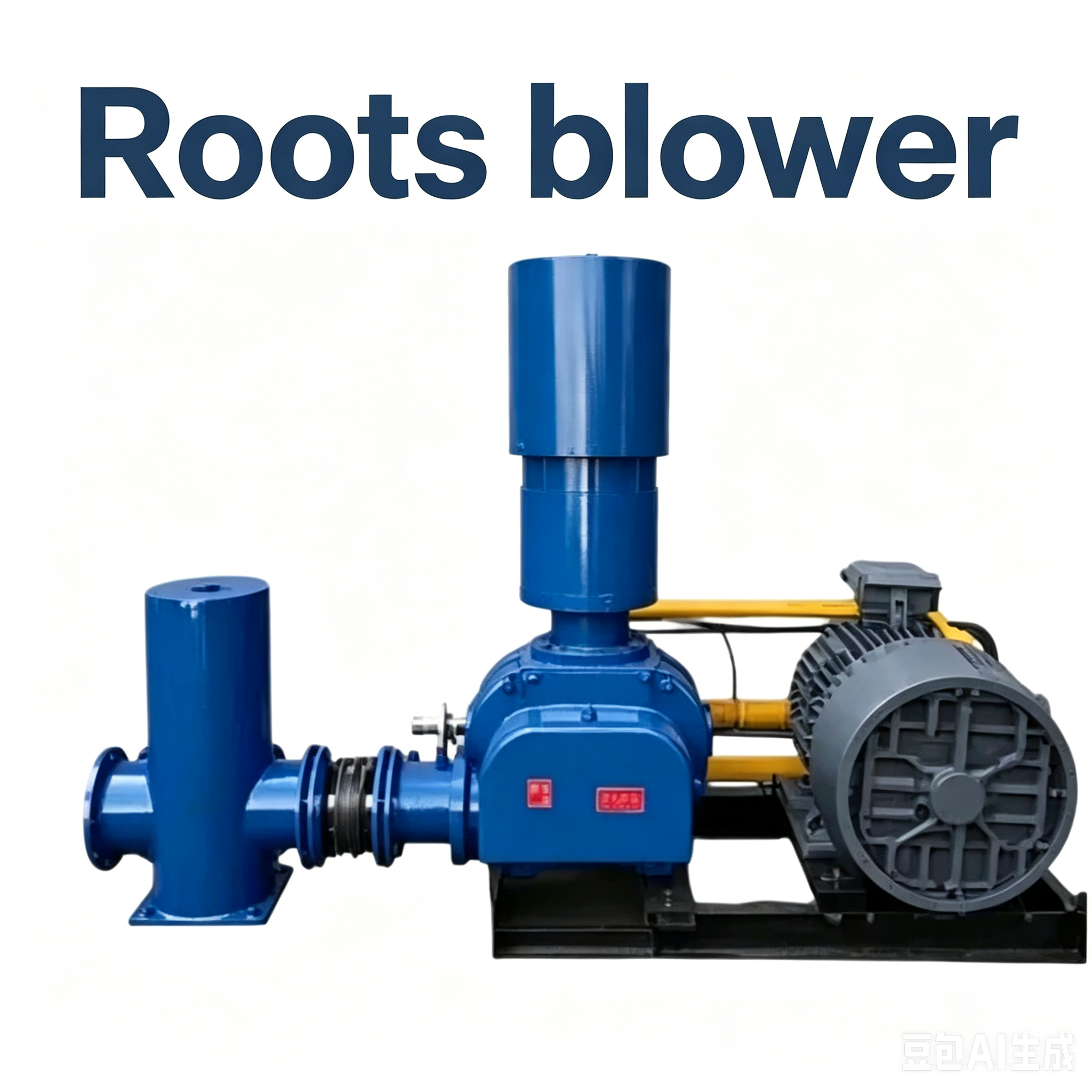
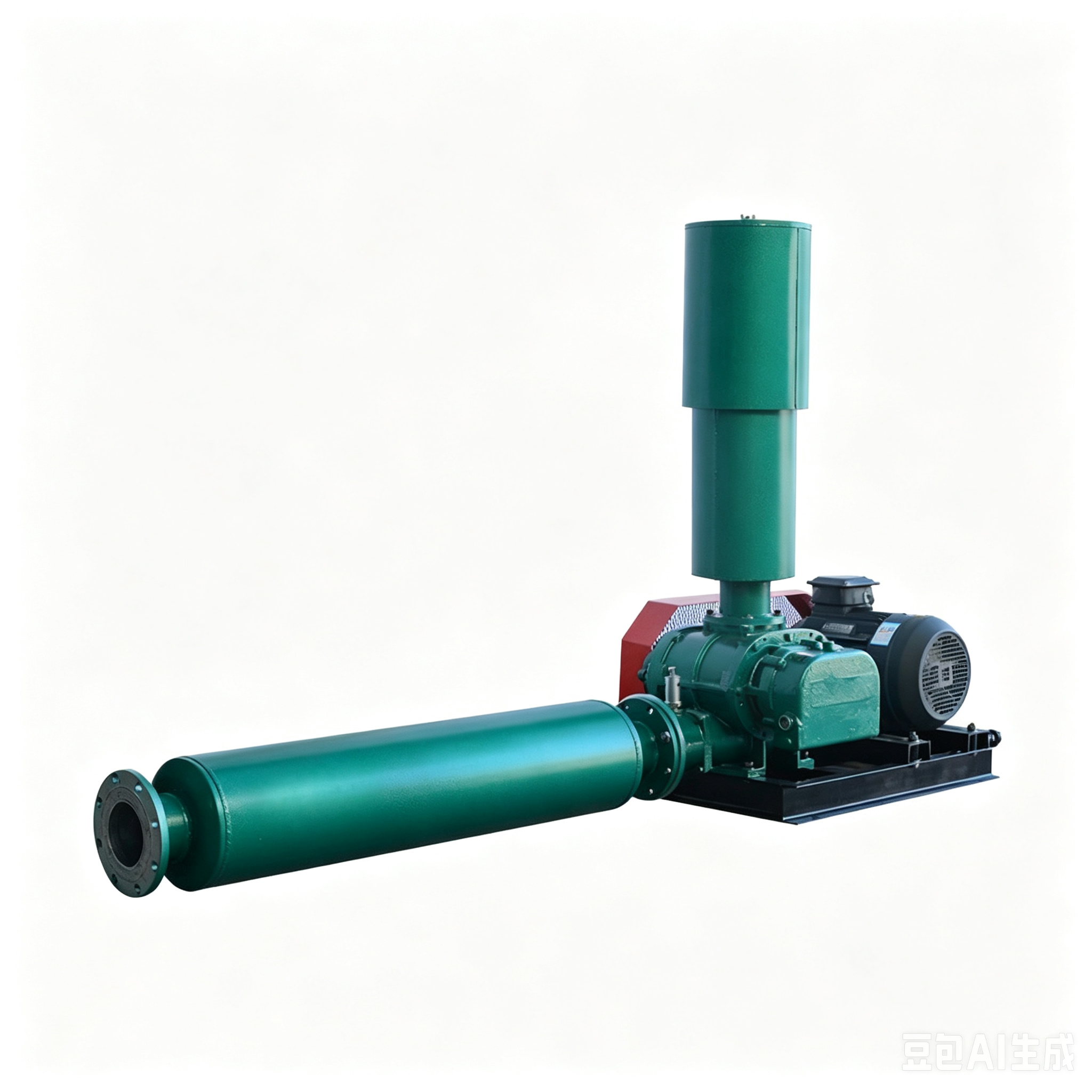
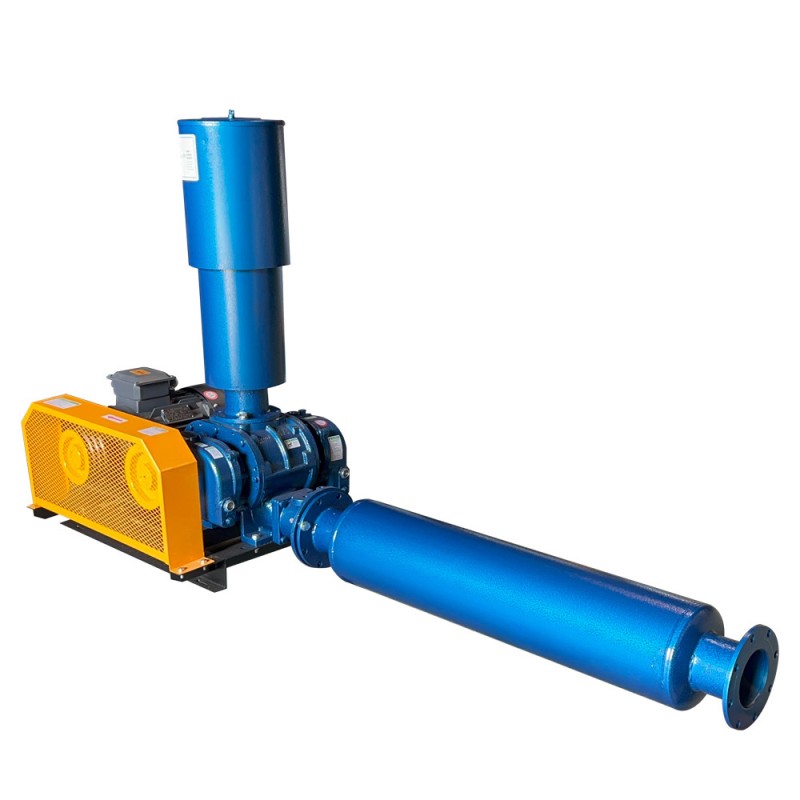
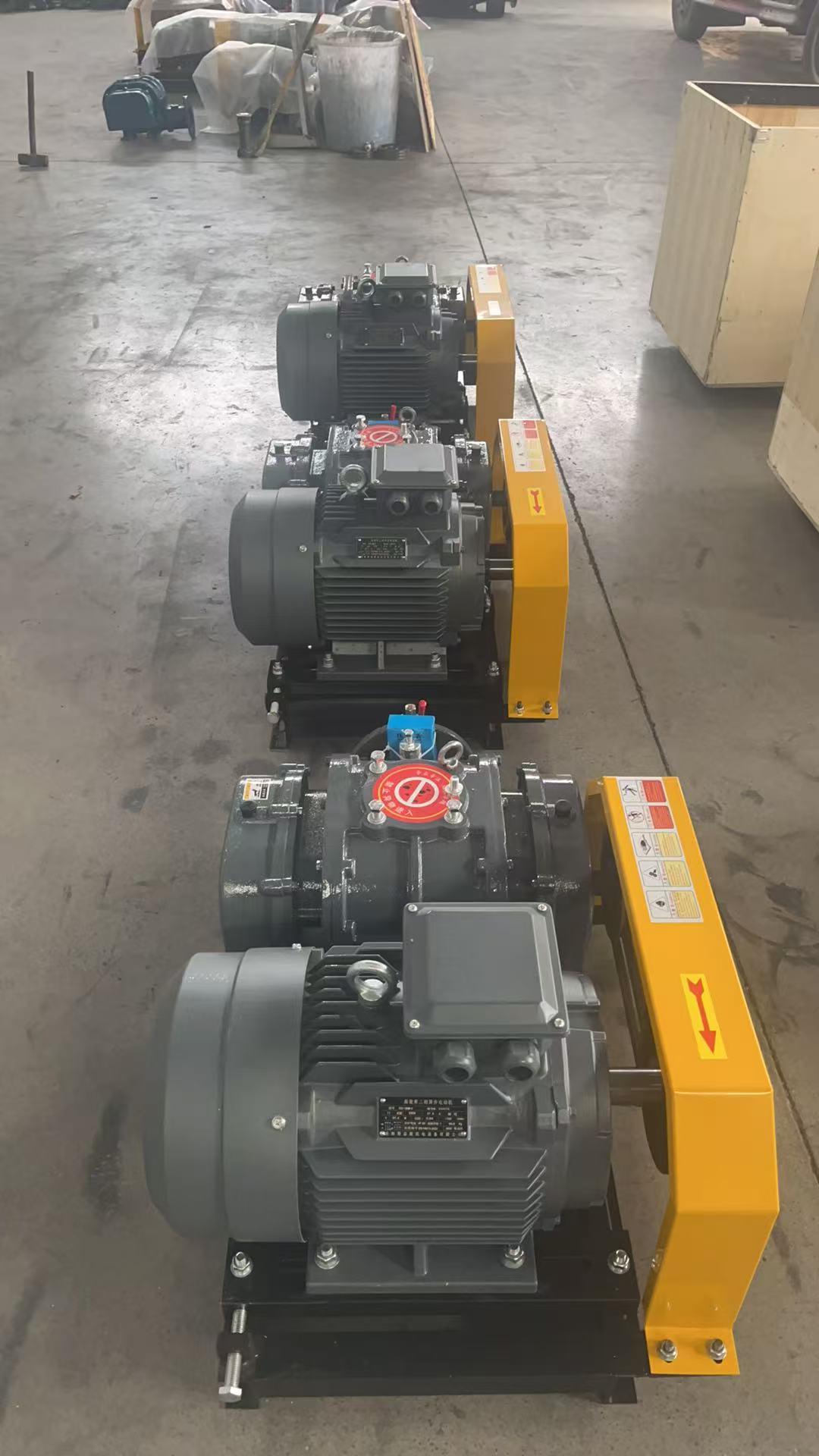
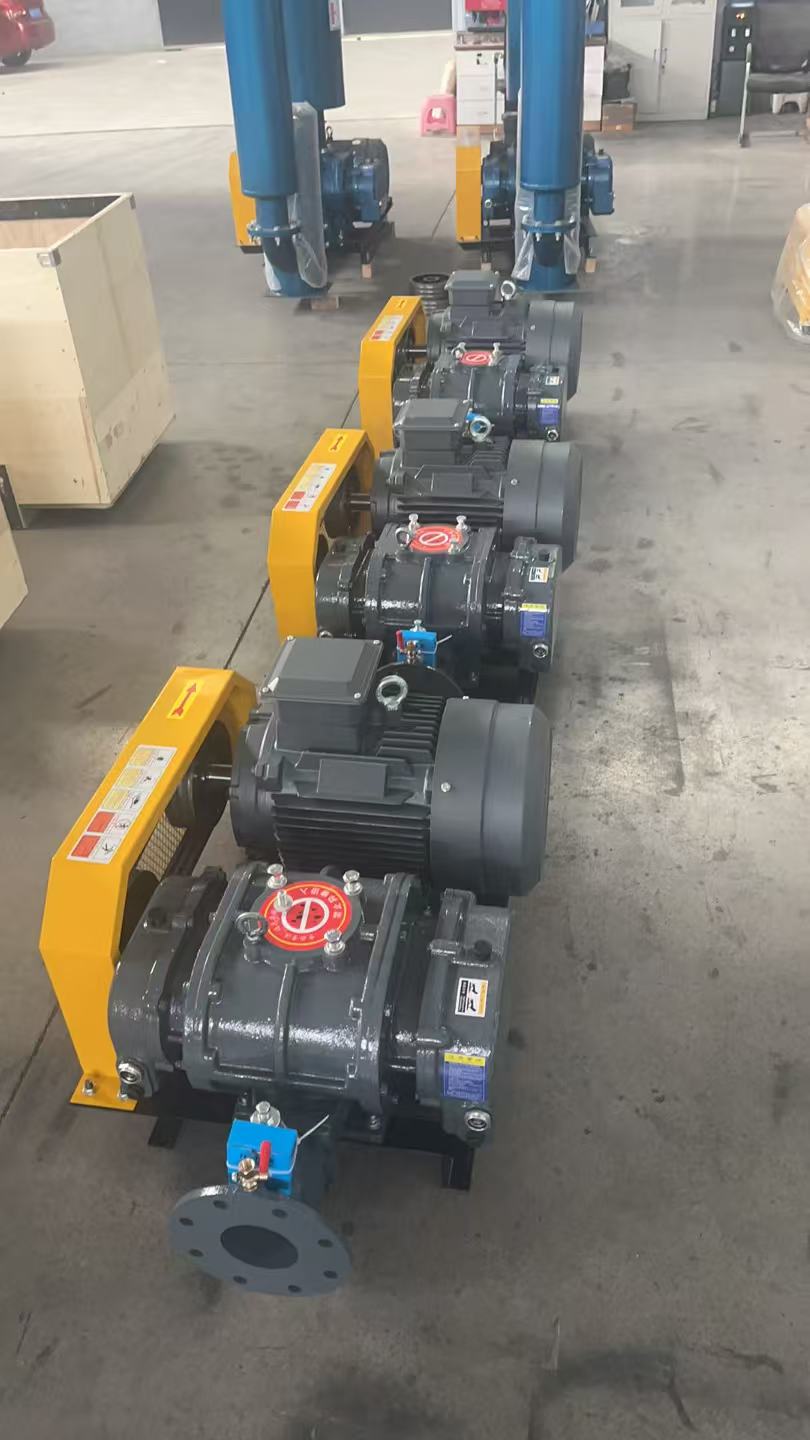
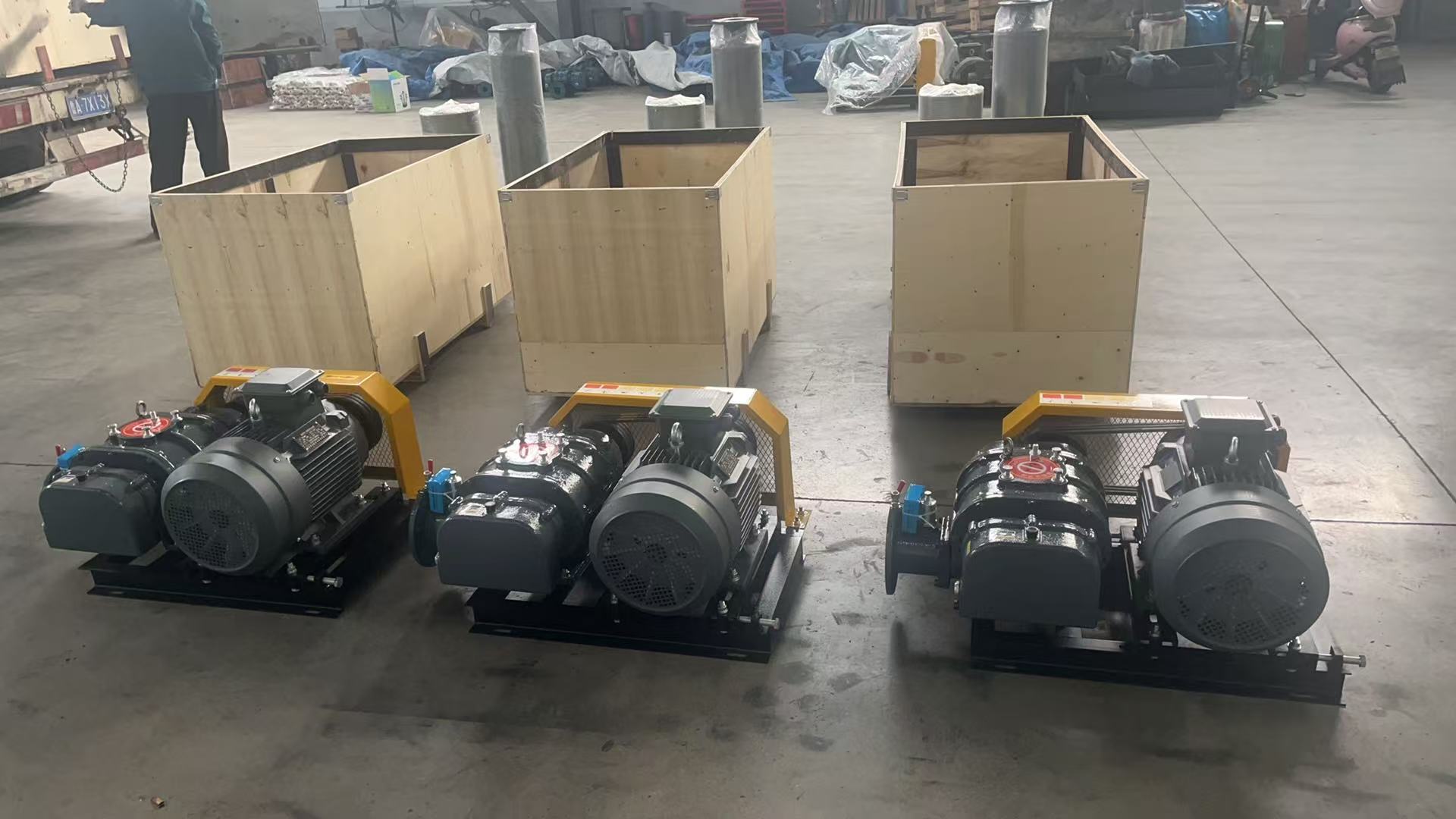
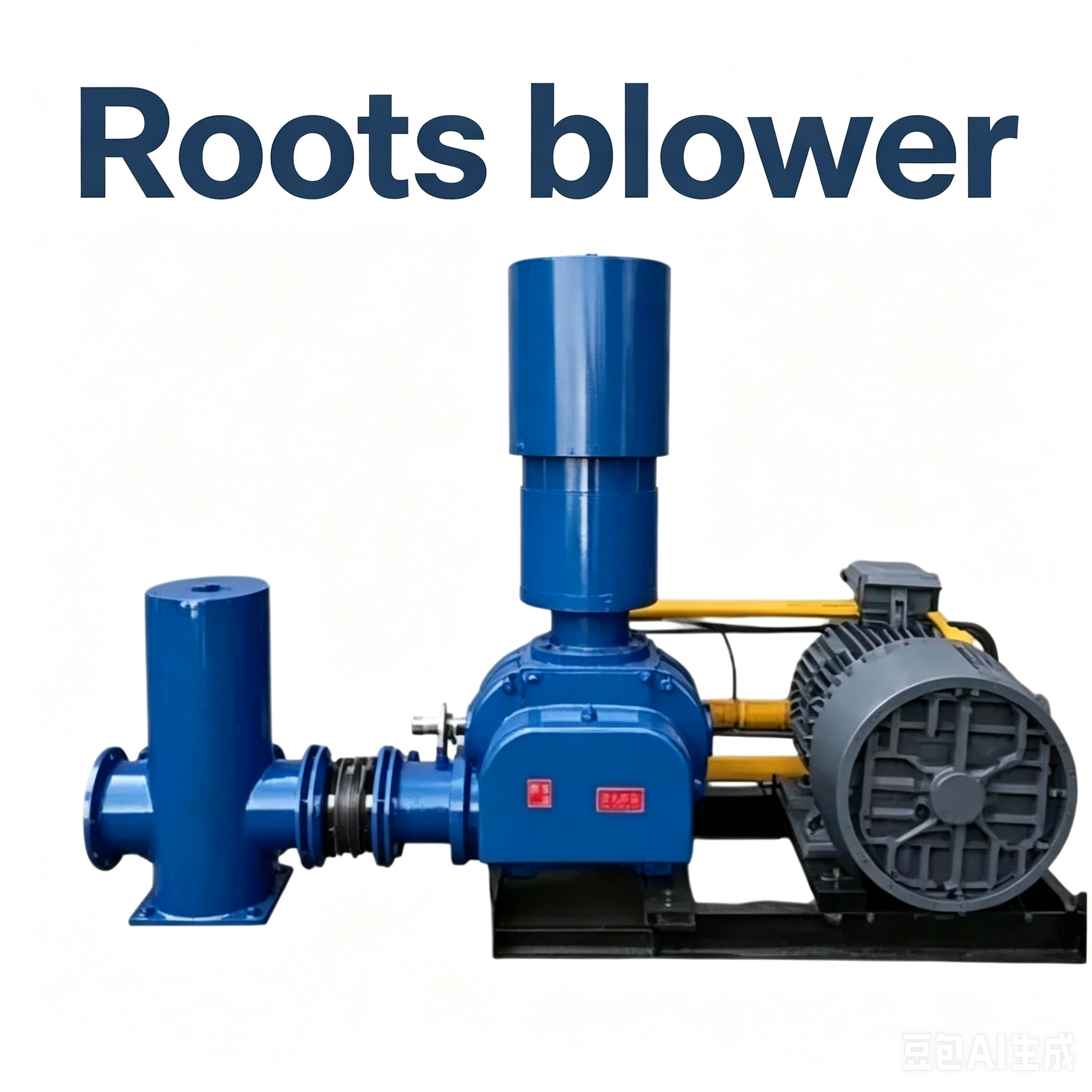
The Roots blower is a typical positive displacement rotary blower. It delivers gas forcibly through two synchronously counter-rotating figure-8 impellers. It features constant flow, simple structure and oil-free gas supply, widely adopted as low-pressure air source equipment in various industries.
Working Principle
Two sets of impellers inside the casing rotate synchronously in opposite directions, causing periodic volume change of the working chamber. Air is sucked in when the chamber expands and forced out when the chamber shrinks.
There is no internal gas compression inside the unit. Gas is only displaced by impellers, and pressure rise is achieved by pipeline backpressure. At fixed rotating speed, the output flow barely fluctuates with pressure variation, realizing forced gas delivery.
Main Structure
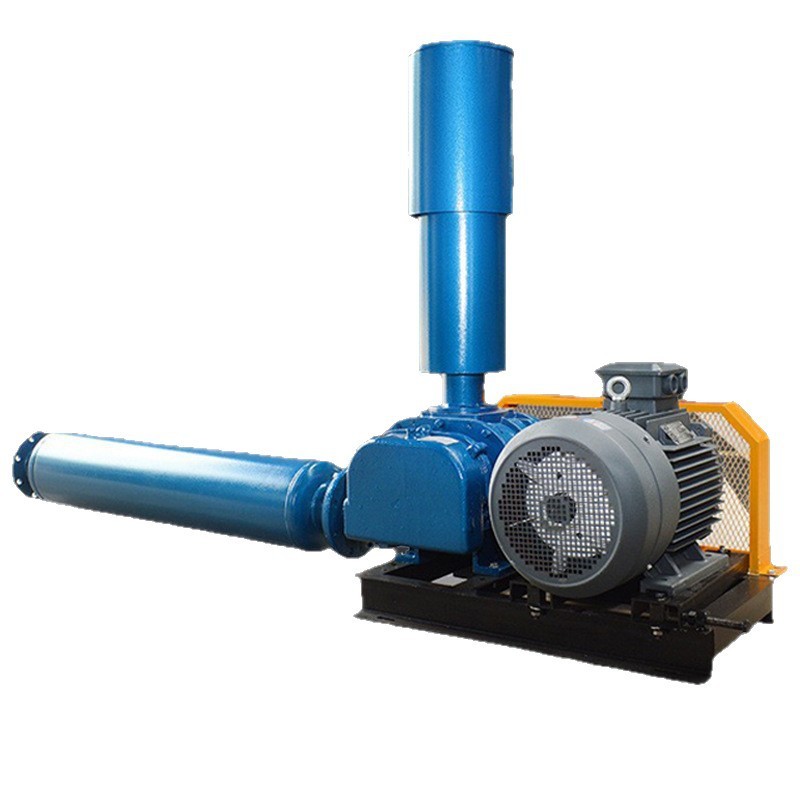
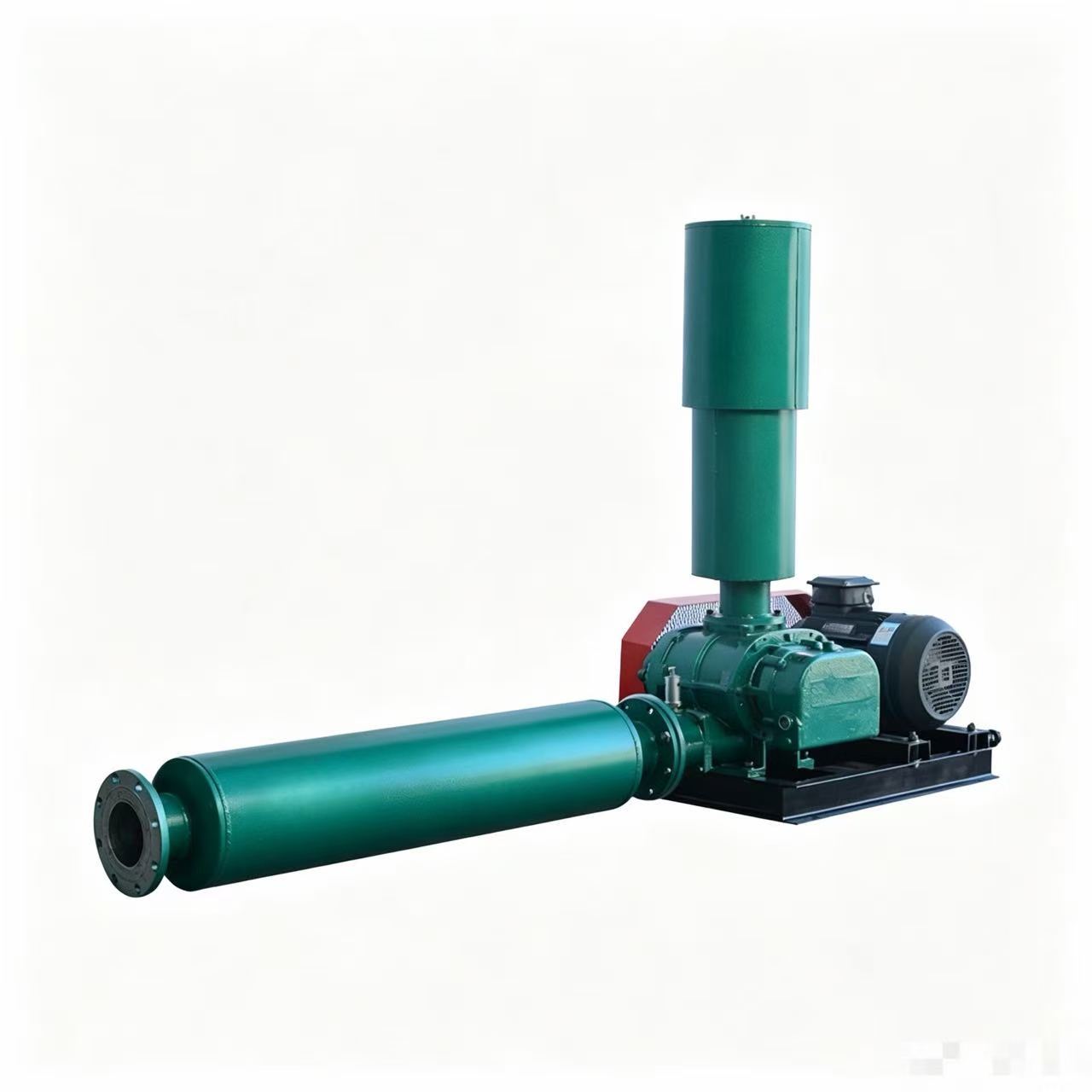
Key components: precision impellers (2-lobe and 3-lobe types), synchronous gears, casing, bearings, shaft seals and lubrication parts.
- 2-lobe Roots blower: low cost but severe airflow pulsation and high noise;
- 3-lobe Roots blower: much lower airflow pulsation, vibration and noise, the mainstream model in current market.
Advantages & Disadvantages
Advantages
- Constant air flow: Under fixed rotation speed, air volume remains stable regardless of pressure changes.
- Easy maintenance: Fewer components, low vibration and long service life with low operation cost.
- Clean gas supply: No lubricating oil mixed with airflow to achieve oil-free delivery.
- Cost-effective: Far lower purchase price than magnetic levitation blowers, ideal for small and medium-sized factories.
- Wide medium adaptability: Able to convey air, inert gas and other media.
Disadvantages
- Relatively high operating noise, which requires supporting silencers and sound insulation covers.
- Sharp efficiency drop under high pressure, mainly suitable for low and medium pressure conditions.
- Obvious heat generation during long continuous operation, requiring effective heat dissipation.
Application Fields
- Environmental water treatment: Aeration and oxygen supply for sewage treatment.
- Pneumatic conveying: Transportation of powder materials such as cement, flour and coal powder.
- Manufacturing industry: drying, food cooling, mine ventilation, coal powder supply for power plants.
- Other applications: Oxygenation for aquaculture, waste gas treatment, vacuum packaging, etc.
Selection & Operation Suggestions
Determine required air volume, working pressure and medium temperature & humidity during model selection.
Keep intake air clean with filters in daily operation, inspect lubrication system regularly and monitor operating temperature and pressure. Choose 3-lobe impellers with noise reduction accessories for noise-sensitive working environments.