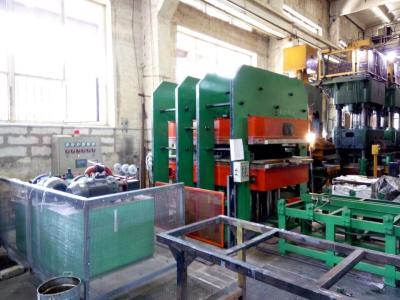
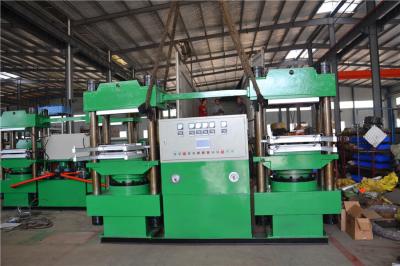
Jaw vulcanization is a highly efficient and specialized tread vulcanization and shaping process in cold retreading (pre-vulcanized tread retreading) of mining engineering vehicle tires. Its core principle is to apply uniform lateral pressure and temperature to the tire carcass with a pre-formed tread using a jaw vulcanizing machine, completing the cross-linking of the rubber layers and the shaping of the tread pattern.
Jaw Vulcanizing Machine
I. Core Definition and Principle
Cold Retreading (Pre-vulcanized Retreading):
Using a pre-formed tread (with complete tread pattern) that has been vulcanized at high temperature, it is bonded to the sanded old tire carcass through low-temperature vulcanization (110–120℃) and a special adhesive.
Jaw Curing:
Equipment:
Jaw tread vulcanizing machine (hydraulic drive, jaw pressure plate, heating plate)
Principle:
When closed, the upper and lower jaw plates apply uniform pressure (0.8–1.2 MPa) from both sides towards the center, combined with electric/steam heating (110–120℃), ensuring thorough vulcanization and tight bonding of the buffer rubber/adhesive between the pre-made tread and the tire carcass.
Advantages:
Uniform pressure, precise shaping, high efficiency, suitable for large-size heavy-duty tires.
II. Applicable Scenarios (Mining Engineering Vehicle Tires)
Applicable to:
Heavy-duty engineering tires for large mining dump trucks, loaders, bulldozers, etc. (23.5R25, 29.5R25, 35/65R33, etc.) Tires with intact carcass structure and only tread wear that can be retreaded.
Advantages:
- Uniform pressure distribution: Avoids uneven local pressure in traditional vulcanizing tanks, reducing air bubbles and delamination.
- Authentic tread pattern: Pre-fabricated tread pattern is non-deformable and highly clear.
- High efficiency: Multi-layer mold, automatic push-pull, multiple tires can be processed in a single batch.
- Minimal carcass damage: Low temperature (110–120℃), lower than hot retreading (150–180℃), protecting carcass strength.
III. Complete Process Flow (Cold Retreading + Jaw Curing)
- Carcass Inspection and Screening
- Appearance + X-ray / Ultrasonic Testing: No structural damage, no broken steel wires, no delamination.
- Wear Standard: Remaining tread ≥ 2mm
- Carcass Pretreatment
- Cleaning → Drying → Large Grinding / Fine grinding (exposing fresh rubber, without damaging the cords)
- Repairing damage (≤3 places, single hole ≤35mm)
- Applying adhesive/mortar → Drying
- Tread bonding
- Applying buffer rubber layer (intermediate pad rubber)
- Centering and bonding pre-cured tread → Roller pressing for degassing and compaction
- Jaw vulcanization (core)
- Loading into the jaw vulcanizing machine → Closing and pressurizing (0.8–1.2 MPa)
- Heating to 110–120℃ → Holding vulcanization for 120–180 minutes
- Pressure holding, temperature control, degassing
- Cooling, finishing, quality inspection
- Natural cooling → Deburring, shoulder trimming
- Appearance + uniformity + dynamic balance testing
IV. Key parameters (jaw vulcanization)
- Temperature: 110–120℃ (low temperature, protecting the tire carcass)
- Pressure: 0.8–1.2 MPa (lateral uniform pressure)
- Time: 120–180 Minutes (larger specifications, longer)
- Environment: Fully vented, no bubbles
V. Comparison: Jaw Vulcanizing vs. Traditional Vulcanizing Tank
|
Jaw Vulcanizing |
Vulcanizing Tank |
| Pressure |
Laterally uniform |
Circumferential, uneven |
| Temperature |
110–120℃ |
115–150℃ |
| Shaping |
Precise, clear tread pattern |
Moderate, easily deformed |
| Efficiency |
High (multi-layer, automated) |
Low (single tire/ (Minority) |
| Tire body damage |
Minimal |
Significant |
| Suitable for |
Heavy-duty engineering tires, cold retreading |
Small and medium-sized tires, hot retreading |
VI. Quality Key Points
- Tire Carcass Qualified: No hidden damage
- Grinding Properly: Ra50–100μm, no contamination
- Tight Bonding: No air bubbles, accurate centering
- Precise Vulcanization: Strict control of temperature, pressure, and time
- Finished Product: No air bubbles, no delamination, clear tread pattern, bonding strength ≥8N/mm
VII. Summary
Jaw vulcanization is the preferred process for cold retreading of mining engineering vehicle tires. With its uniform pressure, low-temperature precision, high efficiency, and stability, it allows retreaded tires to approach the performance of new tires (lifespan reaching 85%+ of new tires), while costing only 30–40% of new tires, significantly reducing mining operating costs.