Robotic Automotive Grinding And Polishing Machine For Aluminum Die-cast Motor Housings
Precision Redefined: 6-Axis Automatic Robotic Grinding & Deburring Solution for Aluminum Die-Cast Multi-Port Housings
The Digital Artisan for High-Volume Automotive Production
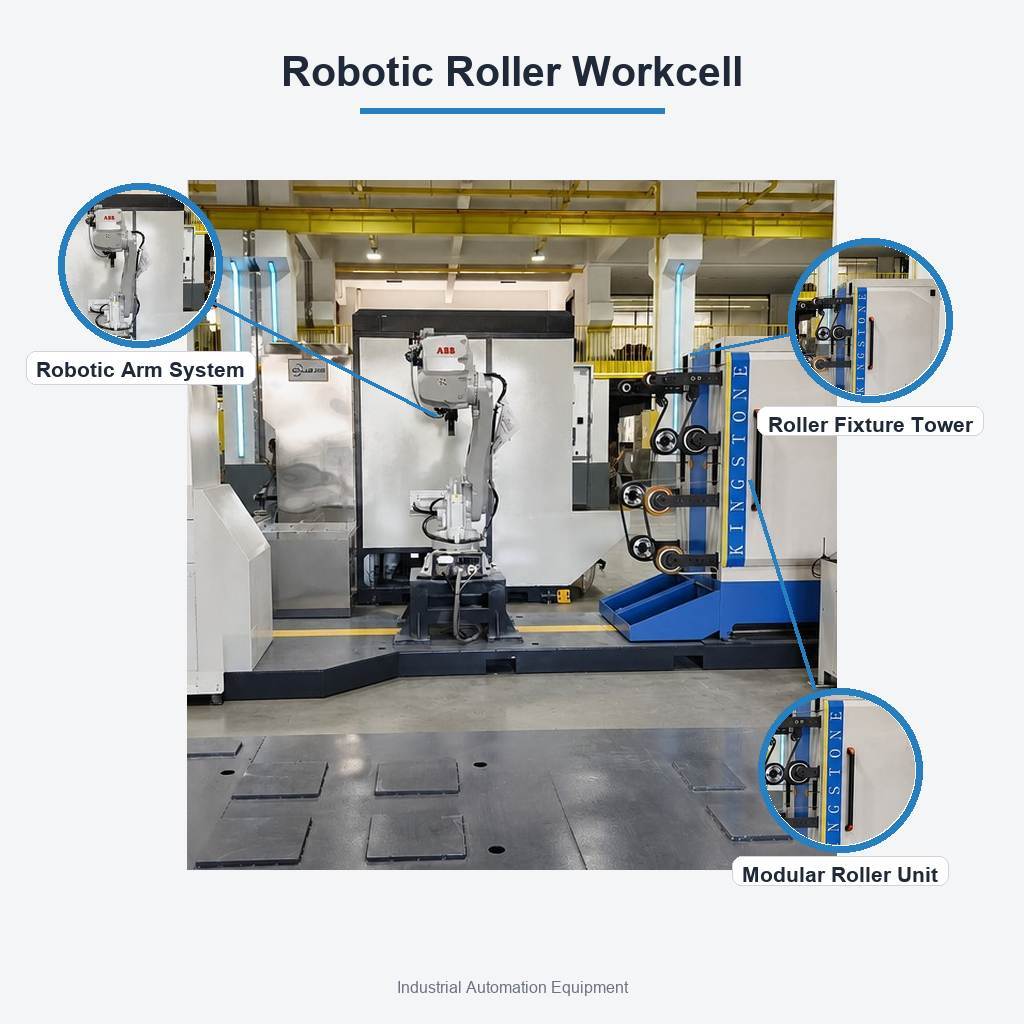
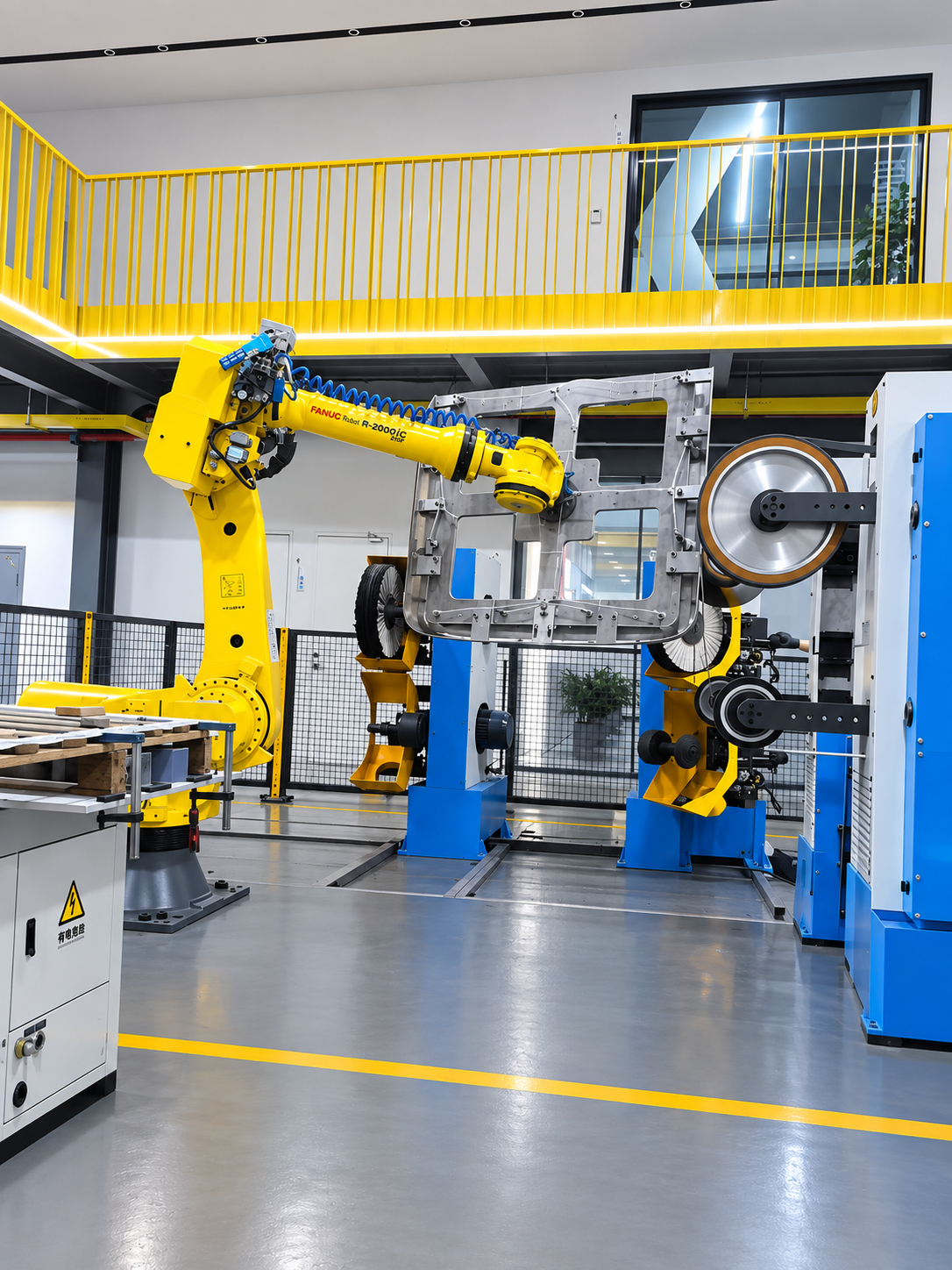
Upgrade your automotive powertrain and structural production lines with the KINGSTONE Intelligent Robotic Grinding Cell. Specifically engineered for high-complexity aluminum die-castings—such as the multi-port motor housings and valve cases shown in our comparison—this system replaces inconsistent manual labor with the tireless precision of a "Digital Artisan."
In an industry where a single missed burr in a recessed port or a microscopic parting line irregularity can lead to assembly failure or compromised oil seals, our robotic solution delivers the deterministic quality required by Tier-1 suppliers and global OEMs like Stellantis and Nemak.
Strategic FAQ for Technical Buyers
Q1: How does a robotic system handle the inconsistent flash found in raw castings?
A: This is where Active Force Control is superior. While a manual worker might over-grind or under-grind depending on fatigue, our robot senses the resistance of the flash. If a parting line is thicker than expected, the system adjusts its Z-axis depth in real-time to maintain a constant material removal rate (MRR), ensuring clean results.
Q2: Do we need specialized robotic engineers to program the machine for new designs?
A: No. We prioritize Operational Openness. We offer Offline Programming (OLP), allowing your engineers to generate polishing paths directly from CAD files (.STEP/.IGS). For minor adjustments, an intuitive "Teaching Mode" allows a standard technician to update the system in just a few days.
Q3: How does the system handle abrasive wear over a 24-hour shift?
A: We integrate Automatic Abrasive Wear Compensation. The system periodically measures the diameter of the grinding wheel or the thickness of the belt and automatically recalibrates the robot's path to compensate for the wear. This ensures the first part of the shift looks exactly like the last.
Q4: Can the cell handle "difficult" materials like Magnesium or Titanium?
A: Absolutely. We offer specialized configurations, including fire-suppression systems for flammable magnesium dust and high-torque spindles for tough titanium alloys, ensuring the highest level of industrial safety and finish quality.