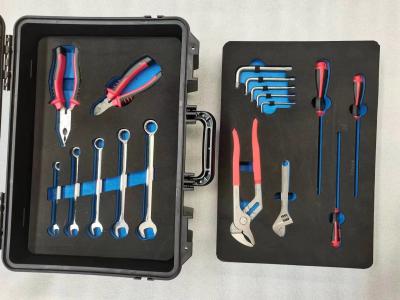
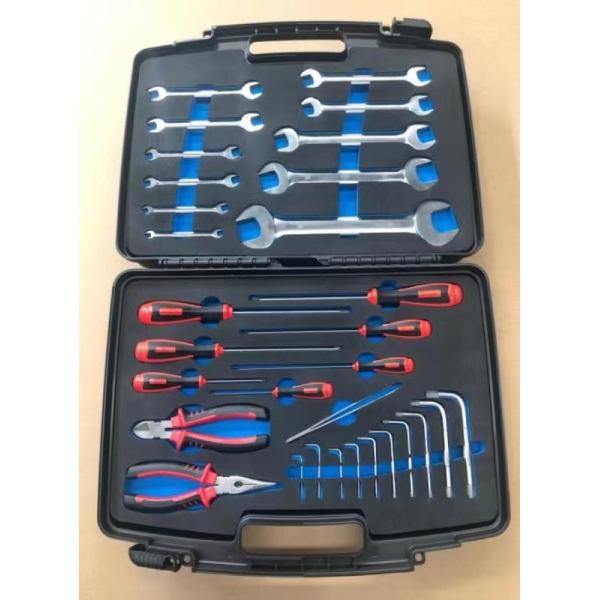
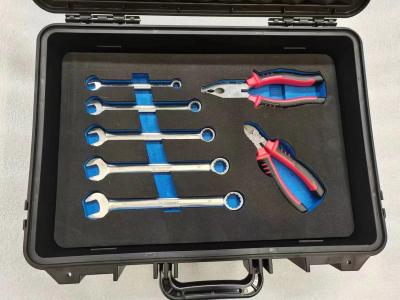
Not all “non‑magnetic” tools are equal. The key metric for MRI safety is magnetic susceptibility (χ) – how strongly a material becomes magnetized in an external magnetic field.
| Material | Magnetic Susceptibility (χ, SI units) | Artifact Size at 3T (approx.) | MRI Suitability |
|---|---|---|---|
| Titanium (Grade 5, Ti‑6Al‑4V) | < 5 × 10⁻⁶ | < 1 mm | Ideal |
| Beryllium copper | < 1 × 10⁻⁵ | 1–2 mm | Acceptable |
| Brass (Cu‑Zn) | ~ 0 (diamagnetic) | < 1 mm | Good, but weak |
| 300 series stainless (316, 304) | ~ 10⁻³ (field‑dependent) | 5–20 mm | Poor – artifacts likely |
| Aluminum | ~ 2 × 10⁻⁵ | 2–5 mm | Acceptable (too soft for tools) |
| Ferrous steel | > 10² | > 100 mm | Dangerous – projectile |
Jovvi guarantee: All titanium tools have χ < 5 × 10⁻⁶, verified by SQUID magnetometer testing per ASTM F3042.
Task: Tightening a 3 mm set screw on a receive coil housing, 20 cm from isocenter.
With 316 stainless wrench: Field distortion at coil level → image artifact diameter up to 15 mm, potentially obscuring pathology. Also, torque feels inconsistent due to magnetic drag.
With Jovvi titanium wrench: No artifact. No magnetic drag. Screw torque is accurate.
With brass wrench: No artifact, but brass is soft – wrench jaws may deform after 50 uses.
Jovvi solution: Titanium hex keys (100% Ti) – hard enough for repeated use, completely artifact‑free.
Task: Removing a 14 mm hex nut from the helium fill port. The tool must not become magnetized, because any magnetized tool near the cryostat can disturb field homogeneity.
Risk with stainless tools: 300 series stainless becomes weakly ferromagnetic after cold working (bending, machining). A previously “non‑magnetic” stainless wrench may attract to the magnet after 6 months of shop use.
Titanium advantage: Titanium does not work‑harden to a ferromagnetic state. Its magnetic susceptibility remains stable for the life of the tool.
Jovvi guarantee: Lifetime magnetic stability – no ferromagnetic transformation under any mechanical or thermal stress.
Task: Hammering copper fasteners into plywood backing. The hammer head must be non‑magnetic and non‑sparking.
Brass hammer: Non‑sparking, but density low (8.4 g/cm³) – requires heavy head for same impact. Brass also deforms quickly.
Titanium hammer: Density 4.4 g/cm³ – lighter, but Jovvi compensates with larger head volume. Surface hardness (36 HRC) much higher than brass – no deformation.
Jovvi solution: 100% titanium hammer head with replaceable face inserts.
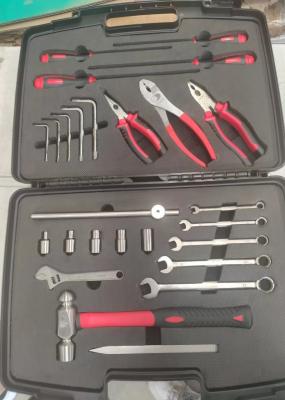
| Tool | Standard Non‑Magnetic Alternatives | Problem with Alternatives | Jovvi Titanium (≥90%) Benefit |
|---|---|---|---|
| Hex keys | Brass, beryllium copper | Brass strips easily; Be‑Cu expensive | Ti hardness = steel‑like, no stripping |
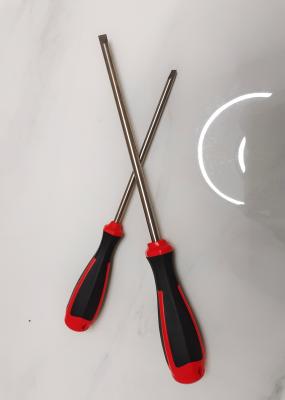
| Screwdrivers | 316 stainless, ceramic | 316 causes minor artifacts; ceramic brittle | Ti blade + brass handle – best of both |
| Pliers | Bronze, aluminum bronze | Bronze heavy; aluminum too soft | Ti jaws with bronze pivot – light & strong |
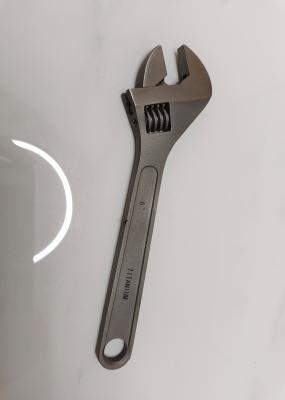
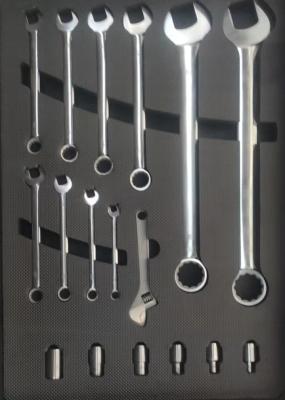
| Wrenches | 316 stainless, aluminum | 316 artifacts; aluminum strips threads | Ti – no artifacts, full torque capacity |
| Hammer | Brass, bronze, lead‑filled plastic | Brass dents; plastic too light | Ti head – durable, non‑sparking, MRI‑safe |
| Tweezers | Ceramic, plastic, brass | Ceramic breaks; plastic melts if autoclaved | Ti – strong, autoclavable, non‑magnetic |
Jovvi’s production process ensures that ≥90% of each tool’s mass is titanium, not just the visible parts.
| Component | Cheap Competitor Practice | Jovvi Practice |
|---|---|---|
| Screwdriver internal shank | Steel core with Ti coating | Solid Ti‑6Al‑4V shank |
| Pliers pivot pin | Steel pin, nickel plated | Bronze or Ti pin |
| Ratchet spring | Steel music wire | Beryllium copper spring |
| Hammer handle | Steel tube with rubber grip | Fiberglass or solid Ti |
| Hex key set | Steel with TiN (titanium nitride) coating – appears “titanium” | 100% Ti alloy, no coating needed |
Jovvi verification: Each tool is X‑ray inspected to confirm no internal ferromagnetic components. Material certificates are lot‑traceable.
Titanium tensile strength: 950–1100 MPa (comparable to 4140 steel)
Brass tensile strength: 300–500 MPa (too weak for high‑torque applications)
316 stainless: 500–700 MPa (strong, but magnetic susceptibility 1000× higher than Ti)
Jovvi titanium tools are rated for 100% of the torque specified for equivalent steel tools – unlike brass or aluminum alternatives that must be derated.