3.2V LFP Prismatic Cell 6000 Cycle Life, 280Ah LiFePO4 Battery For EV
Features & Benefits
- High Cycle Life: >6000 cycles @ 80% DOD for effectively lower cost of ownership
- Built-in BMS Protection: Battery Management System protects battery from damage
- Light Weight: Higher energy density, up to 1/3 the weight of SLA batteries
- Wide Operating Temperature Range: Suitable for applications with ambient temperatures up to +60°C
Applications
- Can replace Lead Acid, GEL, or AGM type batteries in any application
- 4S=12.8V and 8S=25.6V configurations closely match Lead Acid equivalents
- Suitable for caravan, marine, golf carts, solar storage, remote monitoring, and switching applications
LFP Prismatic Cell 3.2V 280Ah Specifications
| Battery Type |
LiFePO4 prismatic cell/LFP battery cell |
| Battery Model |
LF72174205 |
| Voltage & Capacity |
3.2V 280Ah |
| Battery Size |
72*174*205mm |
| Impedance |
≤0.25mΩ |
| Grade |
A |
| Application |
Electric Vehicle, Communications, Telecom Tower Energy Storage, Intelligent Network, ESS |
Other Hot Sale Lithium Iron Phosphate Cylindrical Rechargeable Battery Cells
| Model No. |
Standard Voltage |
Standard Capacity (Ah) |
Impedance (mΩ) |
Weight (Kg) |
Height (mm) |
Width (mm) |
Thickness (mm) |
| LFP50 |
3.2V |
50Ah |
≤0.7mΩ |
1.4Kg |
185.3±0.5 |
135.3±0.5 |
29.3±0.5 |
| LFP80 |
3.2V |
80Ah |
≤0.5mΩ |
1.68Kg |
170±0.5 |
130.3±0.5 |
36.7±0.5 |
| LFP90 |
3.2V |
90Ah |
≤0.5mΩ |
2.0Kg |
200.5±0.5 |
130.3±0.5 |
36.7±0.5 |
| LFP100 |
3.2V |
100Ah |
≤0.5mΩ |
1.92Kg |
118±0.5 |
160±0.5 |
49.9±0.5 |
| LFP105 |
3.2V |
105Ah |
≤0.5mΩ |
1.98Kg |
200.5±0.5 |
130±0.5 |
36.7±0.5 |
| LFP173 |
3.2V |
173Ah |
≤0.5mΩ |
3.25Kg |
207.2±0.5 |
173.9±0.5 |
41.0±0.5 |
| LFP230 |
3.2V |
230Ah |
≤0.25mΩ |
4.11Kg |
207.0±0.5 |
173.9±0.5 |
54.0±0.5 |
| LFP280 |
3.2V |
280Ah |
≤0.25mΩ |
5.42Kg |
207.5±0.5 |
173.7±0.5 |
72.0±0.5 |
| LFP304 |
3.2V |
304Ah |
≤0.5mΩ |
5.49Kg |
208.8±0.5 |
173.5±0.5 |
72.0±0.5 |
LiFePO4 280AH Prismatic Battery Cell
FAQ for Rechargeable Prismatic LiFePO4 Battery Cell
Can I use Lithium Iron batteries mixing with other battery types?
If different types of batteries are used together, or new batteries are used with old ones, the difference in characteristics of voltage, capacity, etc. may cause over-discharge of the battery which is exhausted first, leading to swelling, bursting or fire.
What will happen if batteries with different capacity are packed together?
If batteries with different capacity or new and old batteries are used together, leakage, zero voltage and other issues might occur. During charging, some batteries may be overcharged while others remain undercharged. During discharge, some batteries cannot discharge fully while others may over-discharge, leading to battery damage.
What are the possible reasons for zero voltage or low voltage of the battery pack?
Short circuit or open circuit of the connector, wrong connection, de-soldering or cold solder joint between batteries and leads, or incorrect connection between batteries.
What are the possible reasons if the rechargeable battery or battery pack cannot be charged?
The battery has zero voltage or there is a battery with zero voltage in the battery pack.
Why Choose Us
Technology
- All-weather applicability (-30~60℃)
- Highly safe battery design technology with advanced electrolyte and separator technology
- Full coverage of battery variety: Lithium ion cylindrical battery, lithium polymer battery, LiFePO4 battery, solar energy storage battery pack, square aluminum shell, primary battery, etc.
R&D
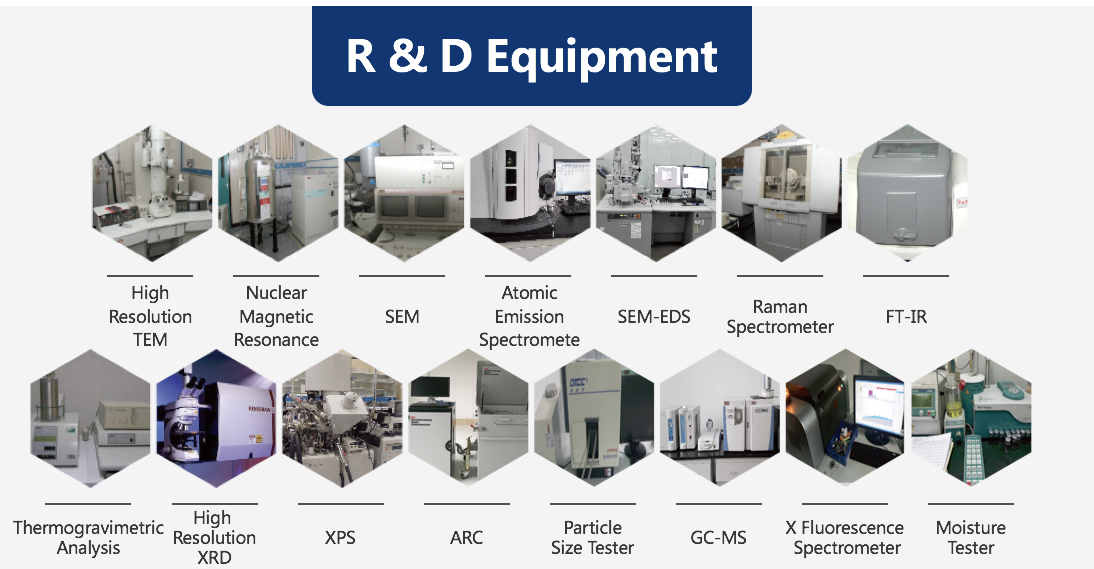
Experienced R&D team with over 60 engineers and advanced equipment for supporting OEM and ODM requirements.
Certificates
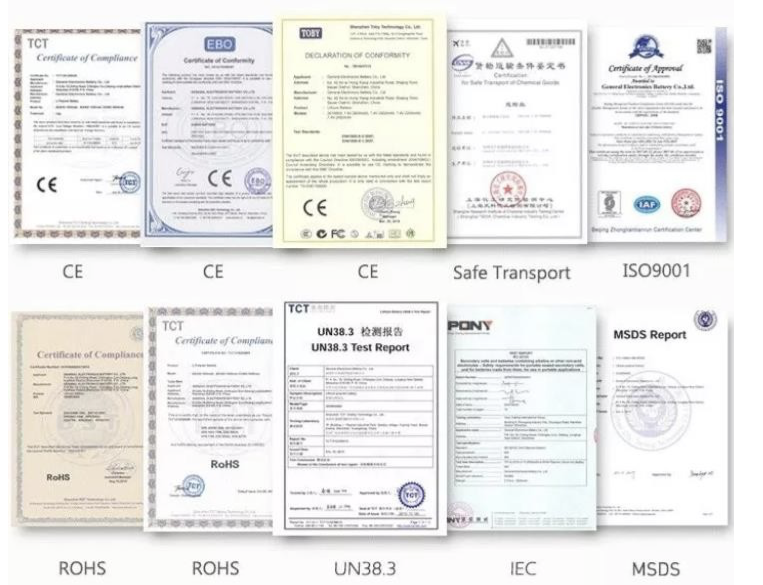
CE, RoHs, BIS, KC, CB, UL, MSDS, UN38.3, IEC61233 certificated.
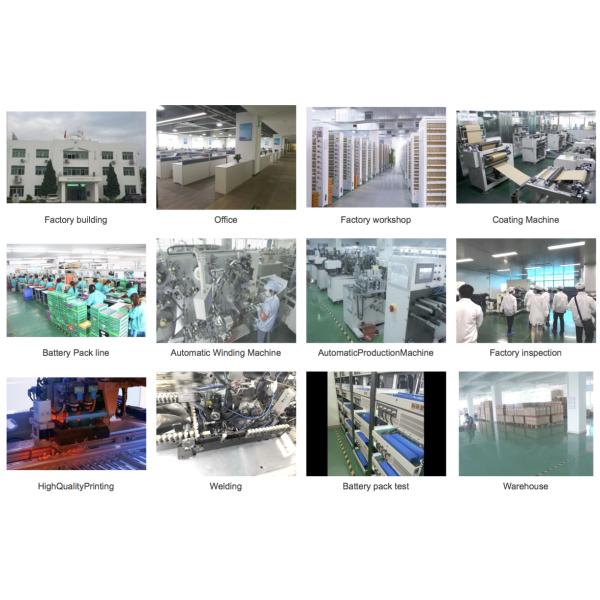
Factory Tour