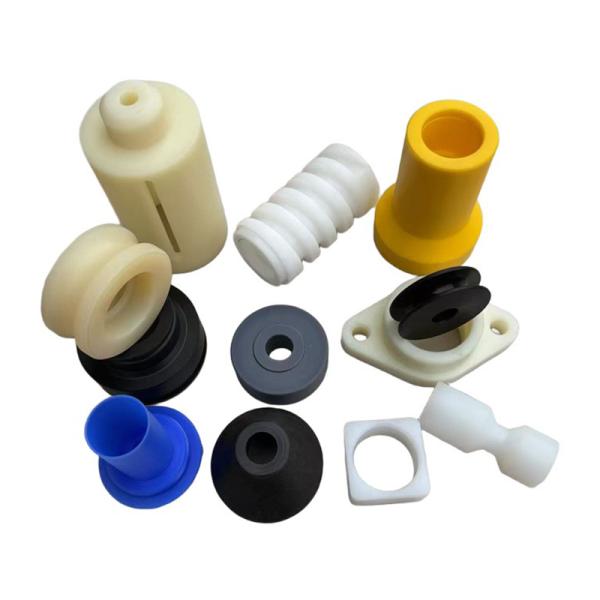
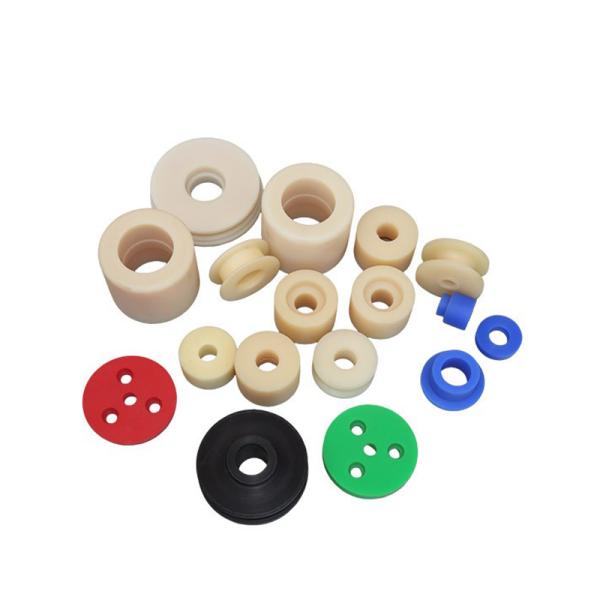
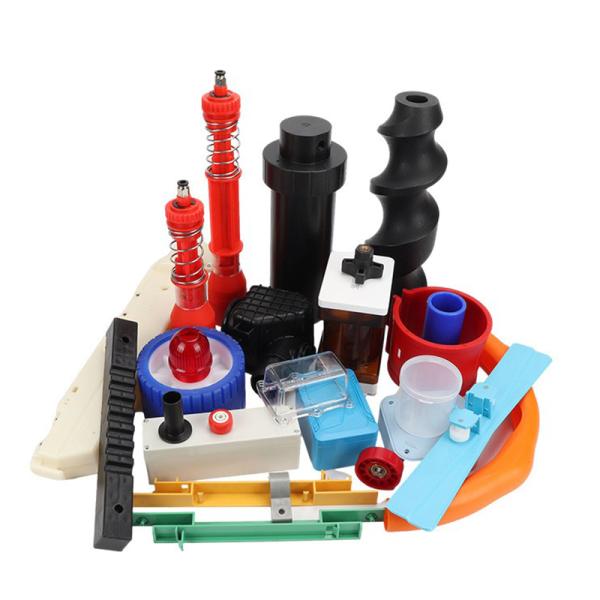
High Precision CNC Machining Plastic Acrylic Pvc Nylon Pom Parts Processing Service Machined Component Components CNC Plastic
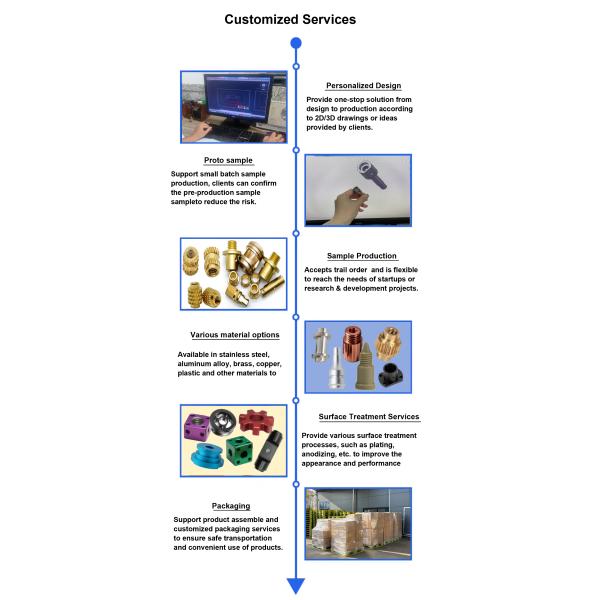
Our Service
Product Specifications
| Drawing Format | IGS, STP, X_T, DXF, DWG, Pro/E, PDF, PNG, JPG |
| Material Capacities | Metal: Aluminum alloy, stainless steel, brass, copper, tool steel, carbon steel, iron. Plastic: ABS, POM, PC(Poly Carbonate), PC+GF, PA(nylon), PA+GF, PMMA(acrylic), PEEK, PEI, etc. |
| Surface Treatment | Plating, Brushing, Polishing, Anodizing, Sandblasting, Knurling, or customer's requirements |
| CNC Processing Scope | CNC 3-axis, 4-axis machining, CNC milling, CNC turning, CNC Lathe, High precision 5-Axis turning-milling combined machining |
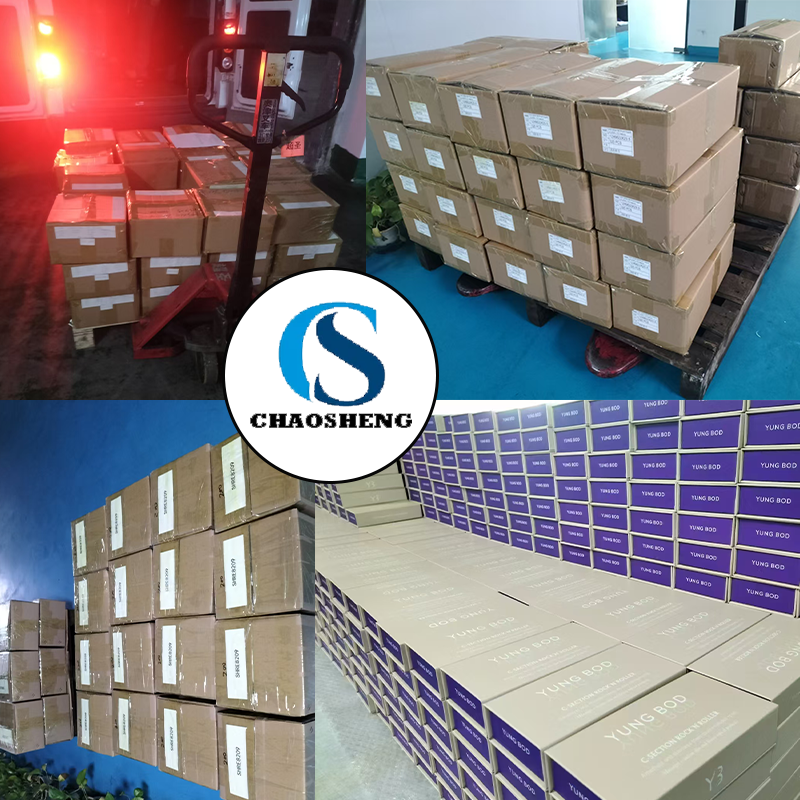
| Delivery | DHL, FedEx, EMS, UPS, or customer's requirements |
| Application | Optical instrument, Automotive, Electronic device, Digital communication, Aerospace, Bicycle, Pneumatic tools, Hydraulic, Automatic Mechanical, etc |
| Package | Tissue paper, EPE, standard carton or plastic tray, sponge tray, cardboard tray, etc., can be customized according to customer requirements |
Factory Testing Equipment
Payment & Shipping
FAQ
1. What's the delivery time?
If stock in hand: around 3 days after receipt of payment. Bulk production: around 20-25 days after receipt of deposit (may vary depending on specific items and quantities).
2. Are you trade company or manufacturer?
We are manufacturing vendor with 20 years experience, warmly welcome you visit our factory.
3. Can CNC turning produce parts with non-cylindrical features?
While CNC turning is commonly associated with cylindrical parts due to its rotational nature, it can also produce parts with non-cylindrical features using advanced machining techniques and tooling configurations.
4. Do you customize products according to our design drawings?
Yes, we are a professional metal manufacturing factory with experienced engineering team, which can make customized products according to customer drawings.
5. What materials can be used in CNC turning?
CNC turning can accommodate a wide range of materials, including metals, plastics, and composites.
6. What are the tolerances achievable with CNC turning?
CNC turning can achieve tolerances ranging from ±0.001 to ±0.005 inches (±0.025 to ±0.127 millimeters) for most metals and plastics.
7. How does CNC turning compare to CNC milling?
The key difference lies in how the cutting tool and workpiece interact: in CNC turning, the workpiece rotates while the cutting tool remains stationary, whereas in CNC milling, the cutting tool rotates while the workpiece remains stationary.
8. What are the advantages of CNC turning over traditional manual turning?
CNC turning machines can operate continuously 24 hours, without the need for operator intervention, leading to higher productivity and reduced labor costs.