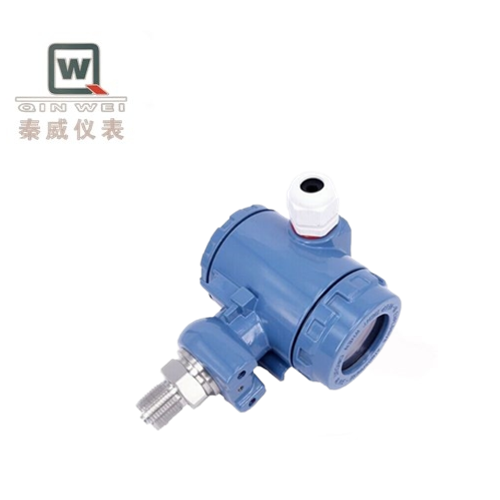
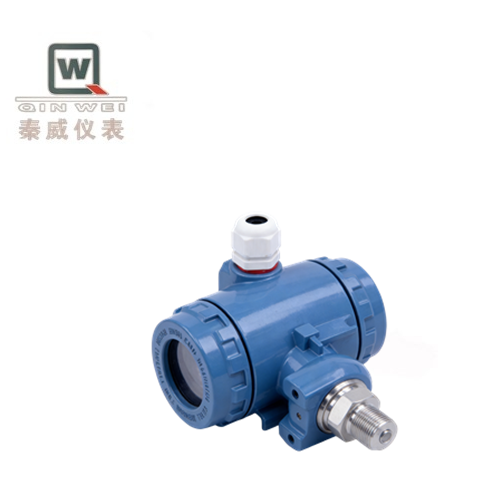
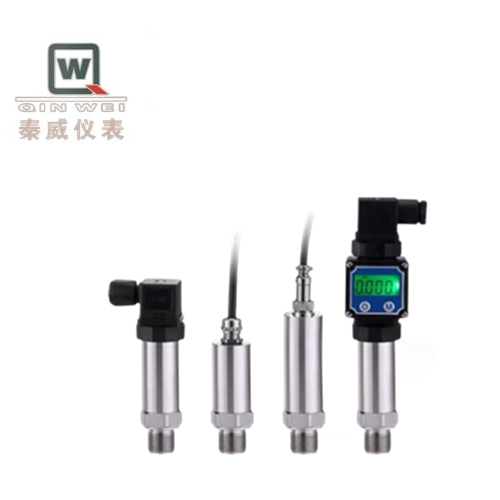
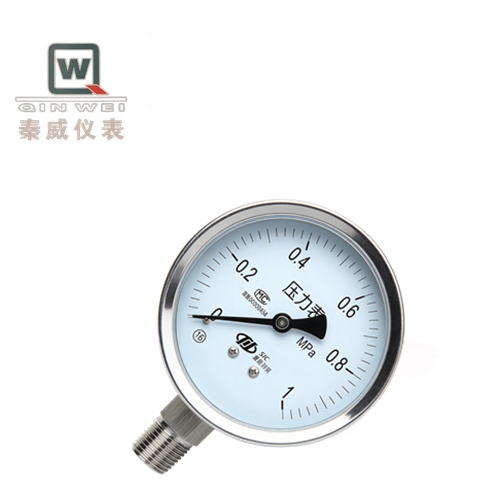
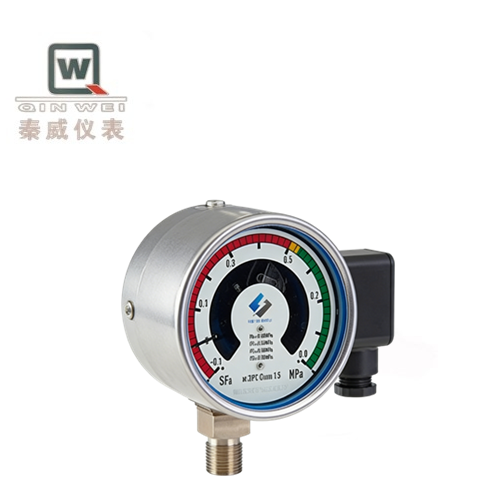
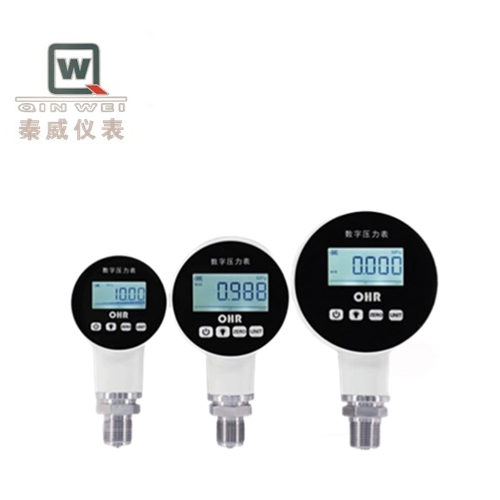
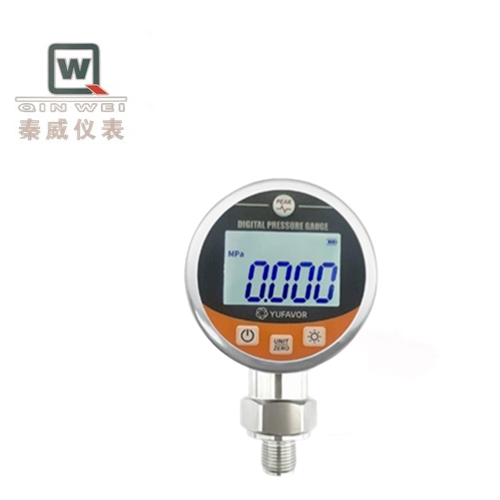
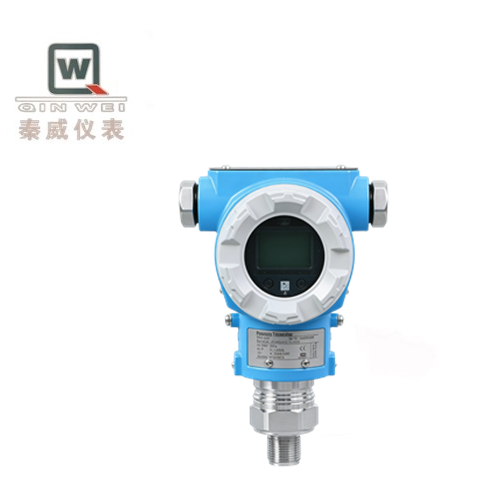
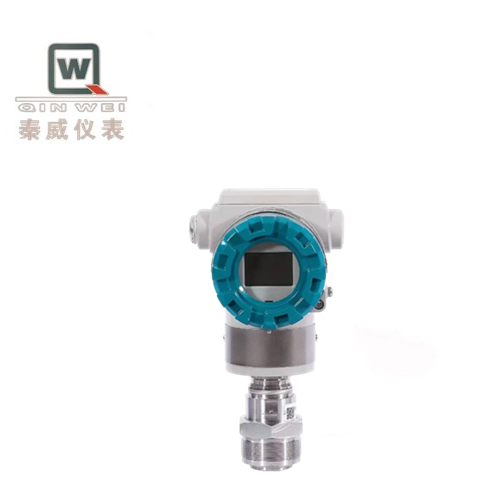
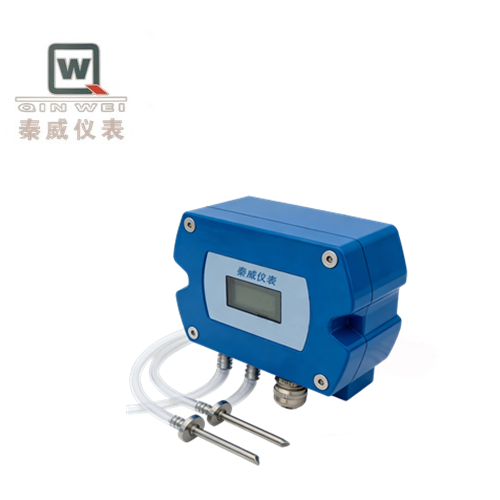
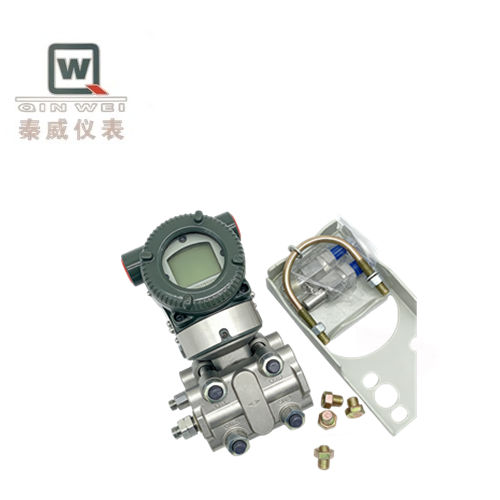
Relatively Pressure Transmitter, Mostly Used In Industrial Pressure Precision Control Occasions
Core Interpretation: Three Possible Meanings
1. The Most Likely Meaning: Gauge Pressure Transmitter, This is the most common meaning of "relative pressure".
- Reference Base: Local atmospheric pressure.
- Working Principle: The reference side of the sensor is connected to the atmosphere through a vent hole or capillary tube, so it measures the difference between the process pressure and the current atmospheric pressure.
- Application: The vast majority of industrial pressure measurements, such as pipeline pressure, tank liquid level (open container), pump inlet and outlet pressure, etc. This is the most widely used type.
2. Specific Contextual Meaning: Differential pressure transmitter, when emphasizing the "relative relationship between two pressure points", may also be referred to as a relative pressure transmitter.
- Reference Benchmark: Another process pressure.
- Working Principle: The sensor has two isolated ports (high-pressure side H and low-pressure side L), and it measures the pressure difference between the two (P₁ - P₂).
- Applications: Flow measurement (pressure difference before and after an orifice plate), liquid level measurement (sealed tank), filter clogging monitoring, wind speed and wind pressure measurement.
3. Less Common Meaning: Transmitter with a non-atmospheric reference
In extremely rare scientific research or special processes, it may be necessary to use a specific, non-atmospheric pressure value as the reference zero point.
- Reference Benchmark: A custom, fixed pressure value (for example, a certain process set point).
- Implementation Method: This is usually achieved by configuring the software or circuitry of an absolute pressure transmitter or a high-precision differential pressure transmitter to "shift" its output zero point to this specific pressure value.
- Applications: Very niche, used in precise control scenarios where deviation from a set point needs to be directly displayed.
Summary: The so-called "relative pressure transmitter" is a non-standard colloquial term. Its core lies in the need for a reference benchmark when measuring pressure. The engineer's task is to clearly define this benchmark based on application requirements and select the correct standard type of transmitter accordingly to ensure the accuracy and significance of the measurement results.