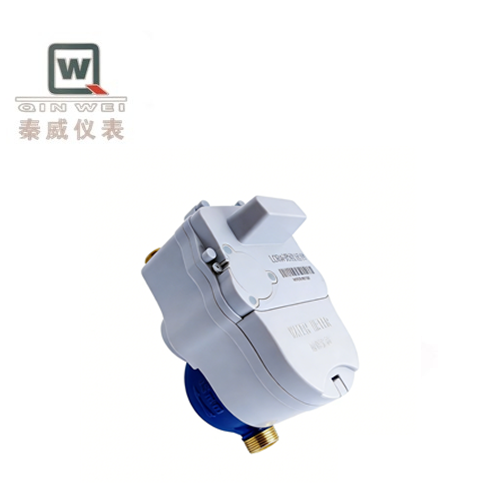
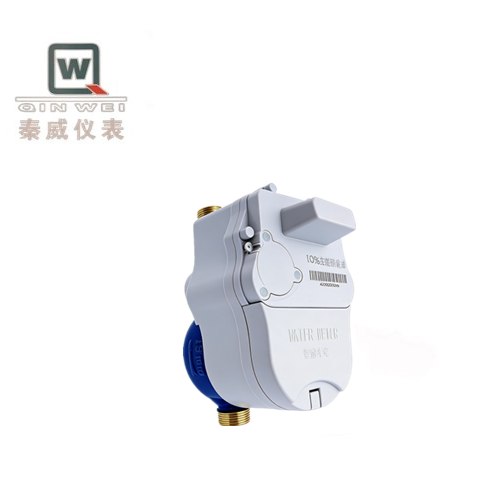
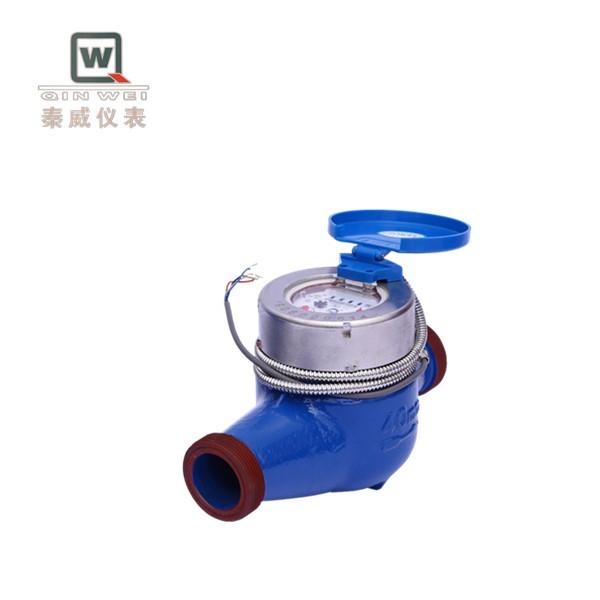
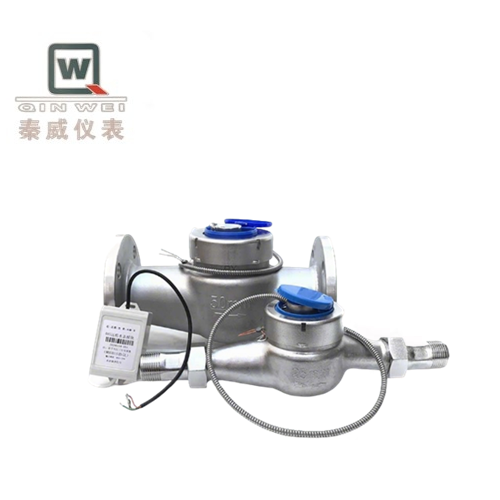
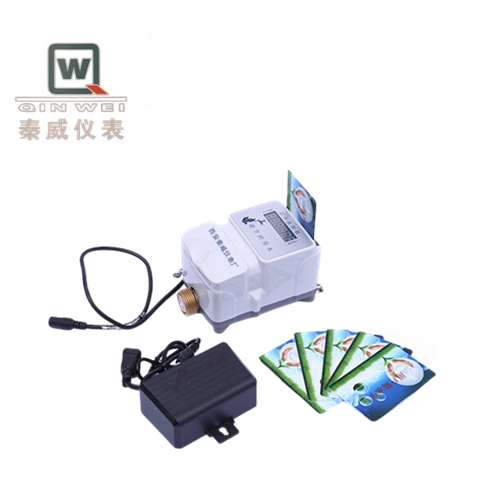
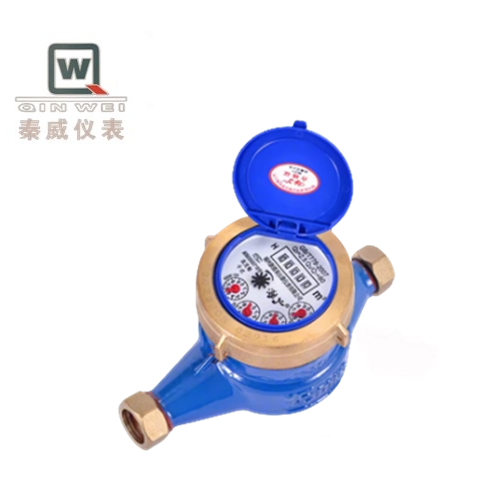
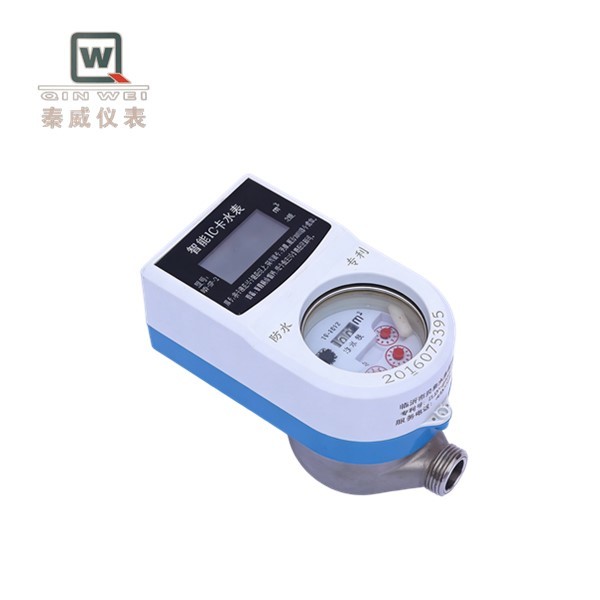
LoRa Wireless Remote Transmission Internet Of Things Water Meter
The smart water meter that uses LoRa (Long Range, long-distance radio) technology to achieve automatic data collection and transmission is a typical application of smart water management and the Internet of Things in urban infrastructure.
Key technical advantages
- Ultra-long range: In urban environments, the communication range can reach 2-5 kilometers; in suburban or line-of-sight conditions, it can exceed 10 kilometers.
- Ultra-low power consumption: Water meters are mostly in sleep mode and only wake up and send data at preset times (such as once a day) or upon triggering events, ensuring long battery life.
- Strong penetration: LoRa signals have strong penetration capabilities, effectively covering complex environments such as basements and under manhole covers, providing more flexible installation options.
- Large capacity connection: A single gateway can easily connect tens of thousands of water meter terminals, reducing network deployment costs.
- High security: Supports end-to-end encryption (AES-128) to ensure data transmission security.
- Low cost: Compared to cellular IoT technologies like NB-IoT, LoRa modules and initial network deployment costs are lower, and there is no need to pay monthly SIM card fees.
Typical application scenarios
- Urban residential area meter reading: Replace manual meter reading to improve efficiency and reduce disturbance to residents.
- Industrial parks / commercial complexes: Independent metering and monitoring of multiple water usage units.
- Rural drinking water projects: Solve the problem of scattered rural users and difficult meter reading.
- District metering (DMA): Monitor the inflow and outflow of water in the area to quickly locate leakage areas.
- Fire hydrant meter monitoring: Monitor the water pressure and status of fire hydrants to ensure the availability of emergency water sources.
The LoRa wireless remote transmission Internet of Things water meter is one of the cornerstones of smart water management construction. With its features of long distance, low power consumption, high penetration, and large connection capacity, it provides water companies with an efficient, economical, and reliable solution for automatic meter reading and data collection, and is a key tool for achieving refined water resource management and reducing losses while increasing efficiency. As technology and the industrial chain mature, it is accelerating the replacement of traditional mechanical water meters and old-fashioned wireless water meters worldwide.