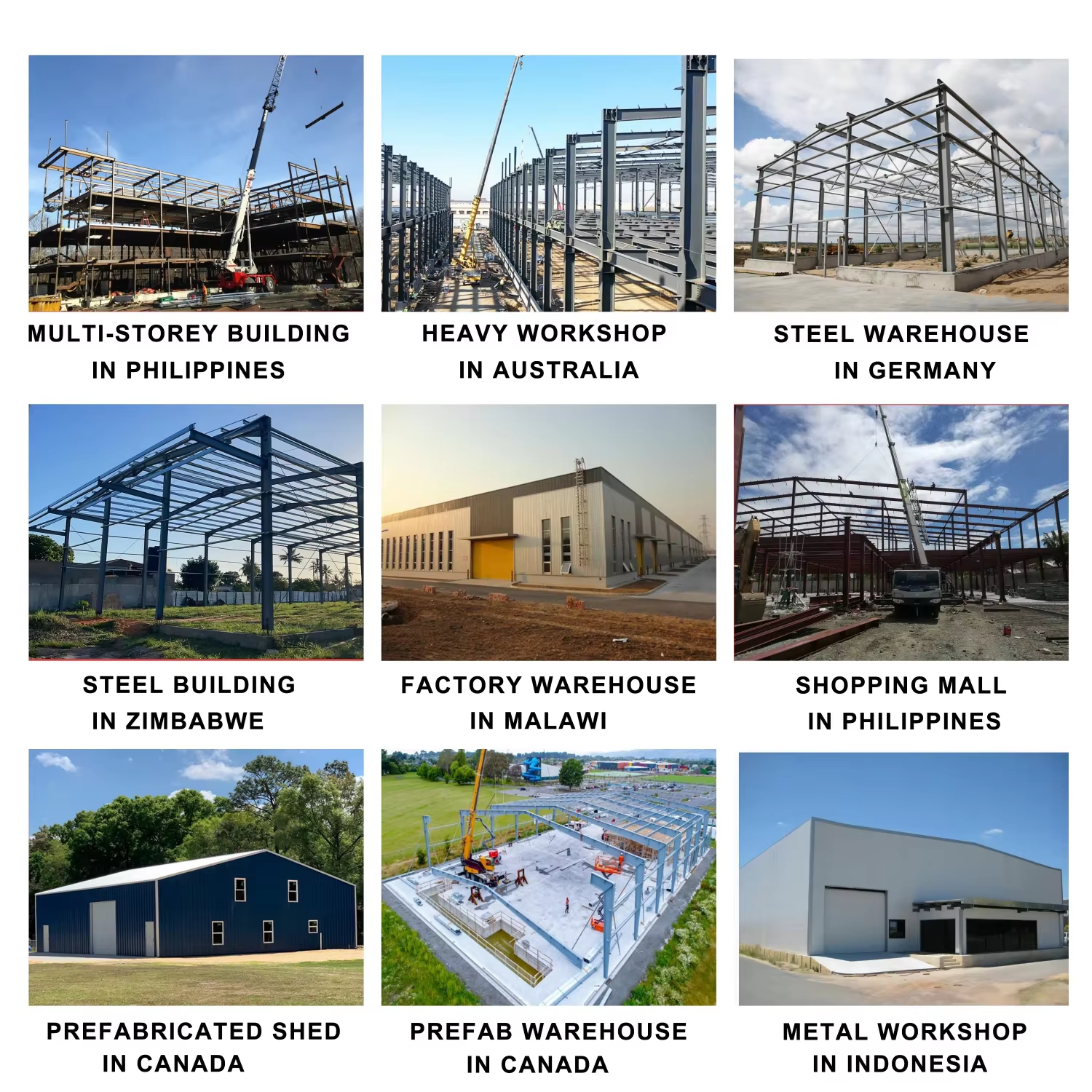
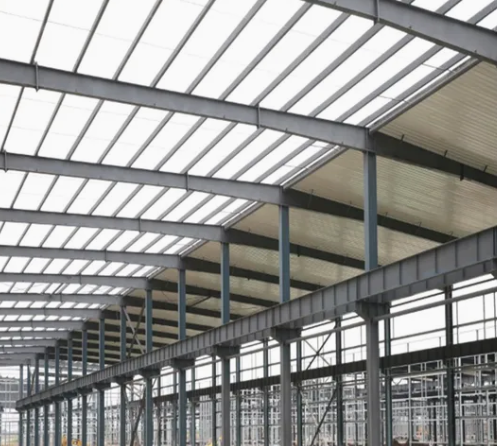
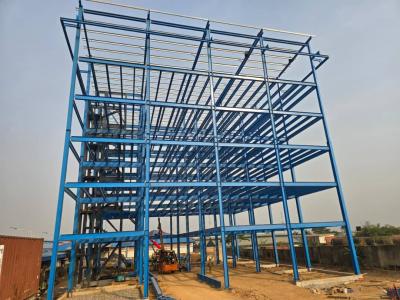
Steel warehouse structural systems Prefab industrial steel building designs
Definition
Steel warehouse structural systems are load‑bearing frameworks composed of steel beams, columns, trusses, and connection components, engineered to support roof and wall systems for storage buildings. They are designed to withstand live loads (racking, equipment, inventory), dead loads, wind, snow, and seismic forces, while providing clear interior space.
|
Product Name
|
Light Steel Frame Sports Venues Gym Metal Building Steel Structure Football Stadium Construction
|
|
|
Main Structure
|
PEB Welded H-shaped steel or hot rolled steel, Q355 or Q235
|
|
|
Physical Properties
|
- Density: 7.85 g/cm³
|
|
|
Applicable National Standards
|
GB/T 700-2006
|
|
|
GB/T 1591-2008
|
|
|
Roof Dimensions
|
- Length, width, and height of the roof (specific to each side of the roof).
|
|
|
Load Requirements
|
- Wind Load: Local wind speed data and corresponding wind load values (usually in kN/m²).
|
|
|
- Snow Load: Maximum snow accumulation load based on local climate conditions (usually in kN/m²).
|
|
|
- Rain Load: Required rainwater load design for the roof drainage (if applicable).
|
|
|
Roof Slope
|
- Slope angle of the roof, usually expressed in degrees or percentages. If multi-pitched, provide the specific slope values for each side.
|
|
|
Roof Load (Equipment)
|
- Equipment, machinery, or installations to be placed on the roof (e.g., HVAC units, solar panels) and their weight and dimensions.
|
|
|
Roofing Material
|
- Specific roofing material requirements (e.g., color-coated steel panels, glass, ETFE membrane, etc.).
|
|
|
Aesthetic and Style Preferences
|
- Any specific aesthetic or design style (e.g., modern, minimalist, traditional) and color or surface treatment preferences.
|
|
|
Installation Location
|
- Geographic location of the project and specific construction site .
|
|
|
Special Design Requirements
|
- Any special design requirements (e.g., seismic design, snow load capacity, wind resistance).
|
|
|
Construction Timeframe
|
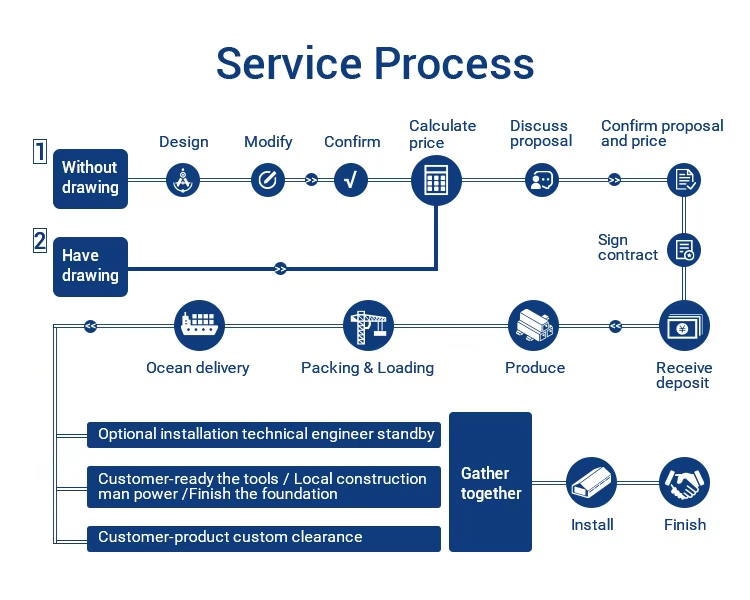
- Expected project start time and completion deadline. Production and shipping schedules will be arranged accordingly.
|
|
|
Drawings and Details
|
- Provide detailed architectural drawings, including CAD format, specifying all nodes, components, joint locations, and other necessary details.
|
Advantages
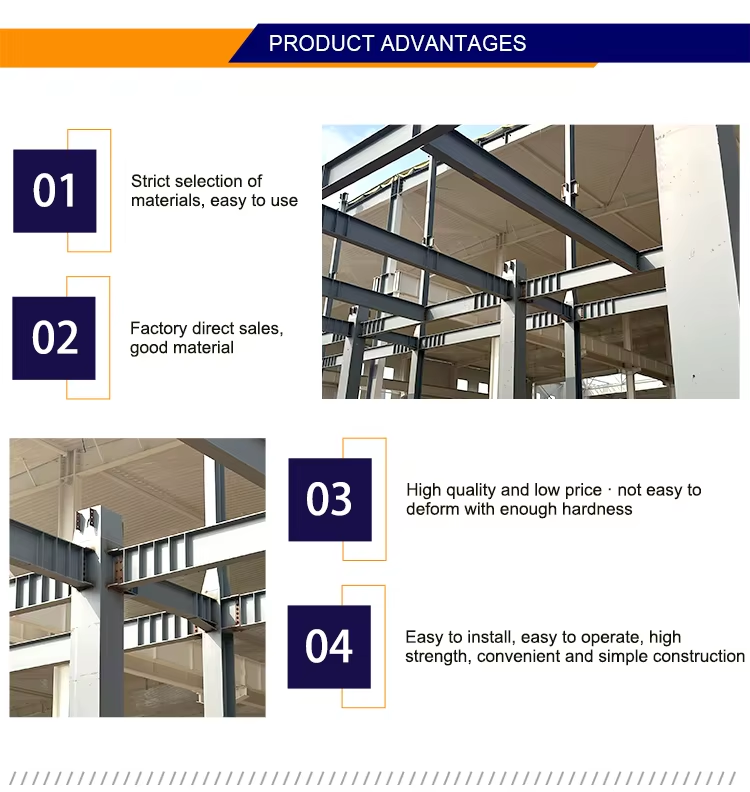
- High strength‑to‑weight ratio for greater structural efficiency
- Enables long‑span, column‑free layouts
- Faster construction with prefabricated steel members
- Lower maintenance and better durability vs. traditional materials
- Easier to expand, relocate, or reconfigure
- Better resistance to corrosion (with proper coating), pests, and fire (with fireproofing)

Benefits
- Maximizes usable storage area and improves forklift/racking efficiency
- Reduces on‑site labor and construction time, lowering overall project cost
- Provides stable performance in harsh weather conditions
- Supports heavy pallet racking, mezzanines, and heavy equipment
- Lower lifecycle cost due to durability and low upkeep
- More predictable project scheduling and quality control

Applications
- General merchandise warehouses and distribution centers
- Logistics and fulfillment centers
- Cold storage and temperature‑controlled warehouses
- Manufacturing support warehouses
- Raw material and finished goods storage
- Industrial yards and port/terminal storage buildings