Traffic Control Solutions with Portable Vehicle Barricades for Road Maintenance and Municipal Construction Safety
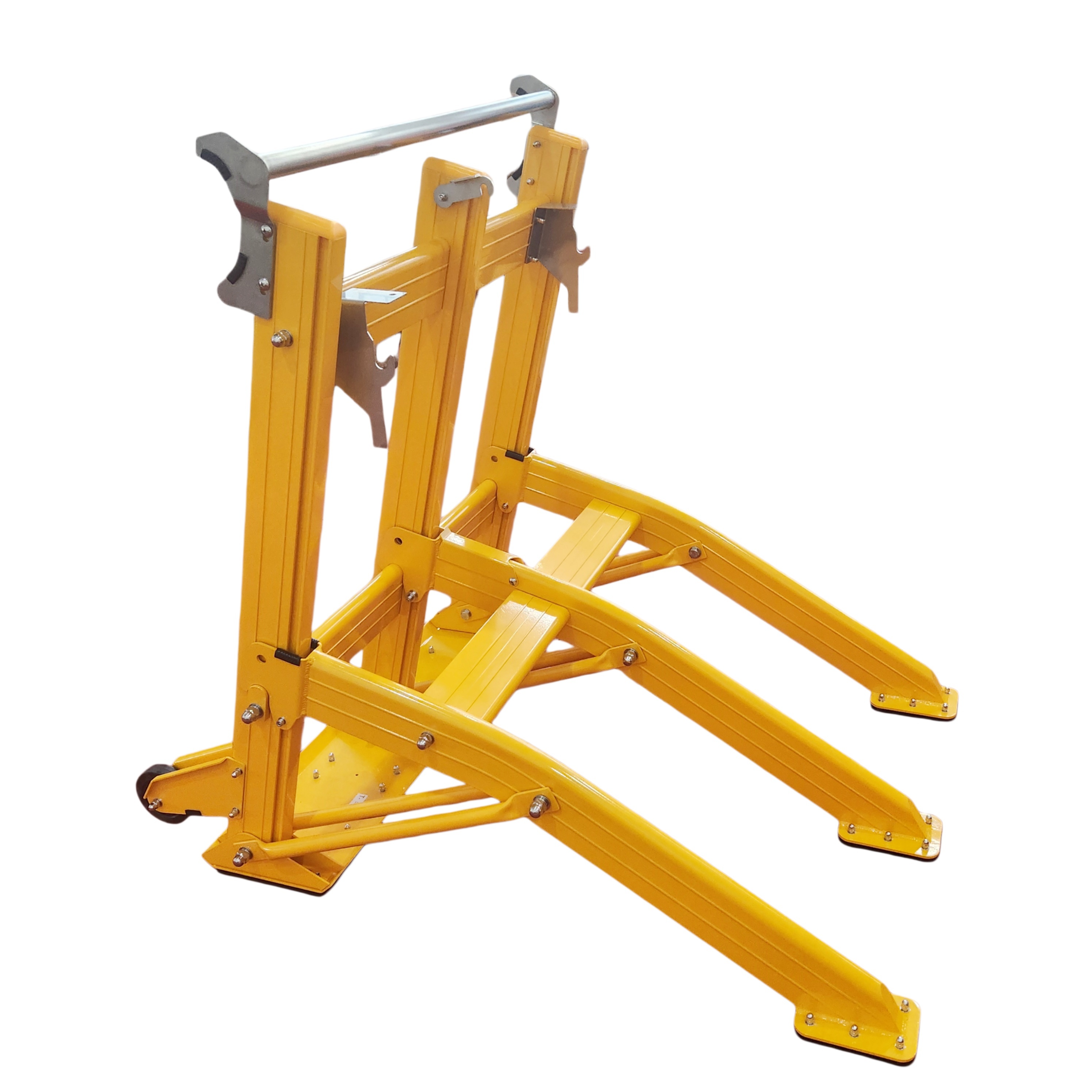
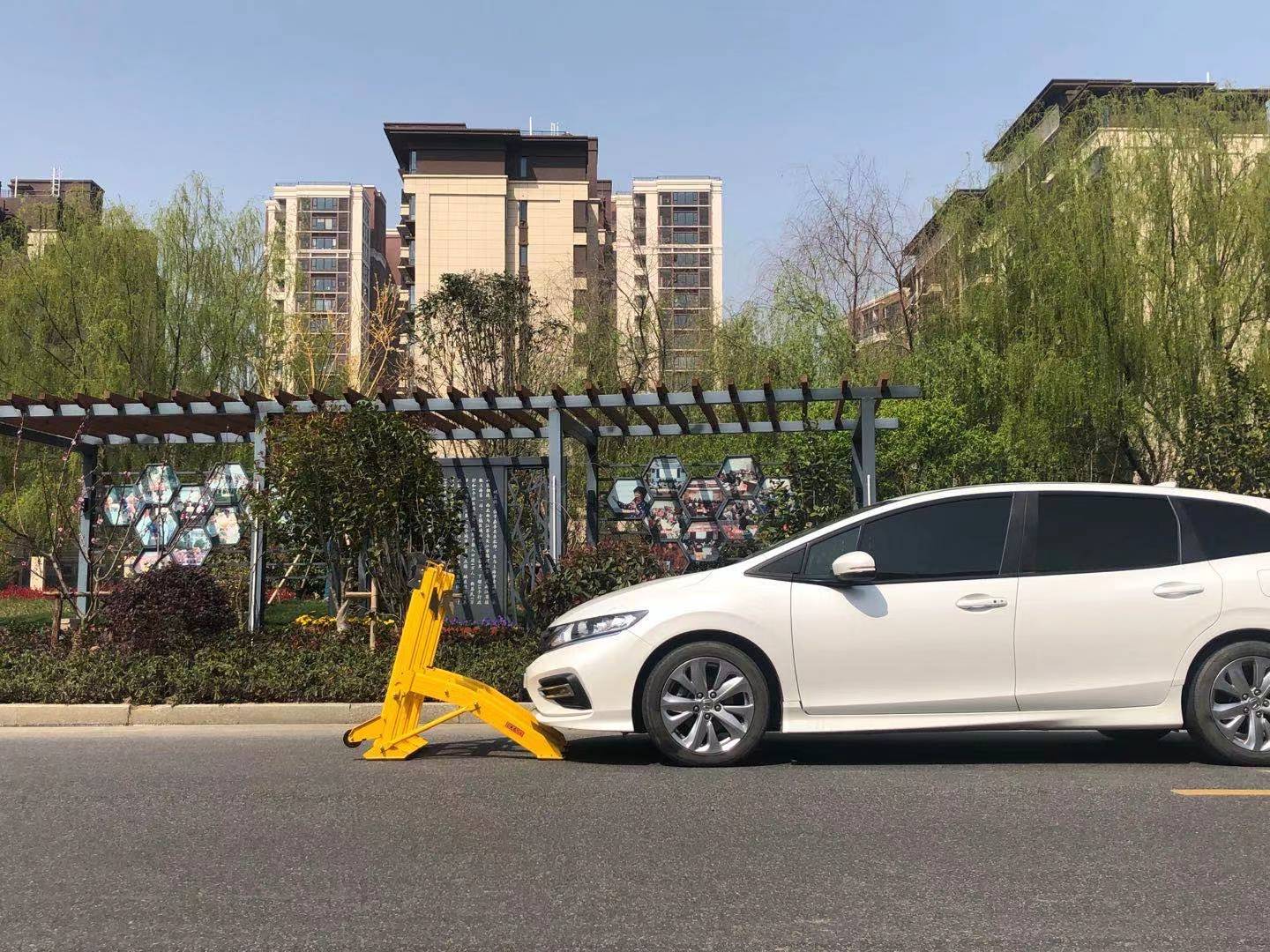
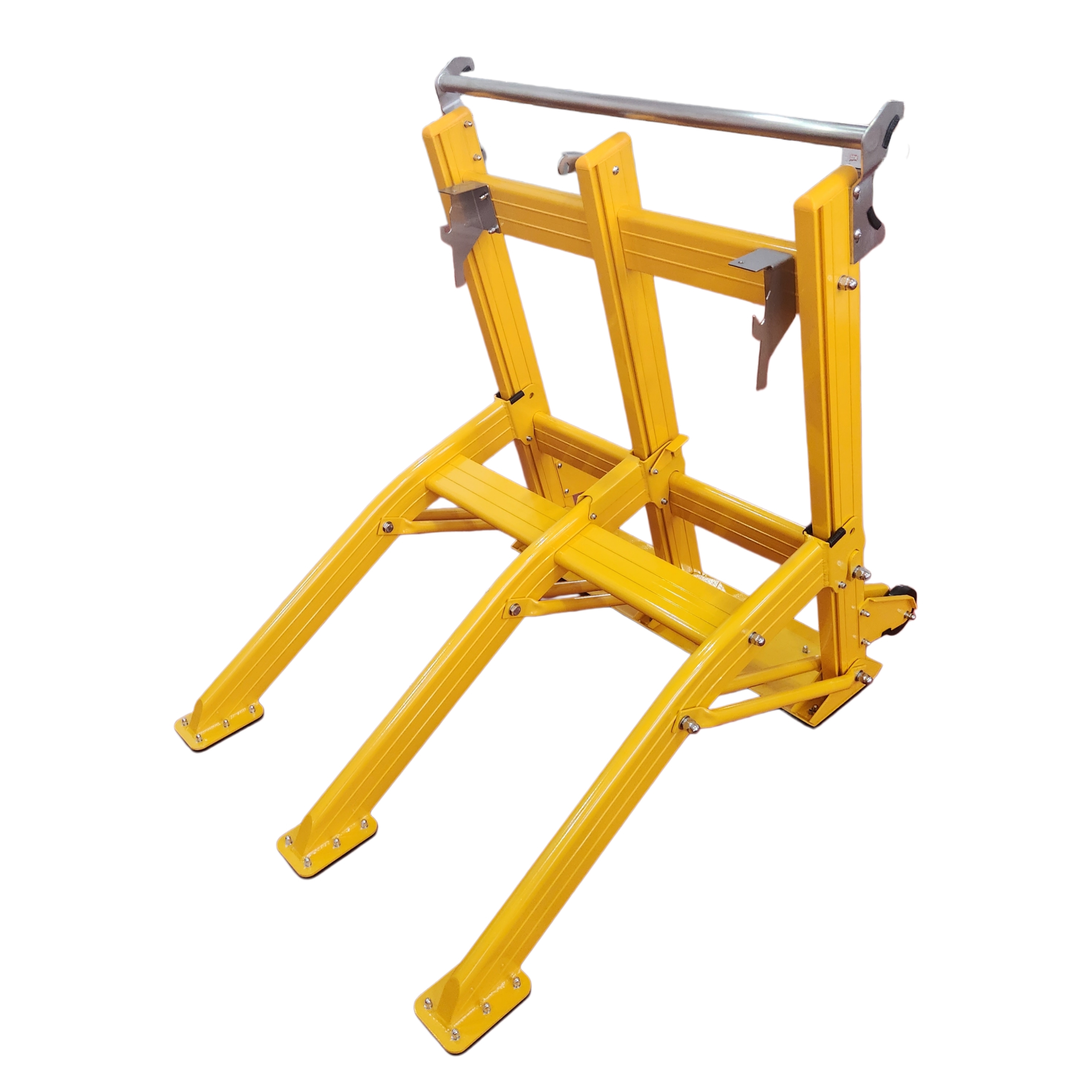
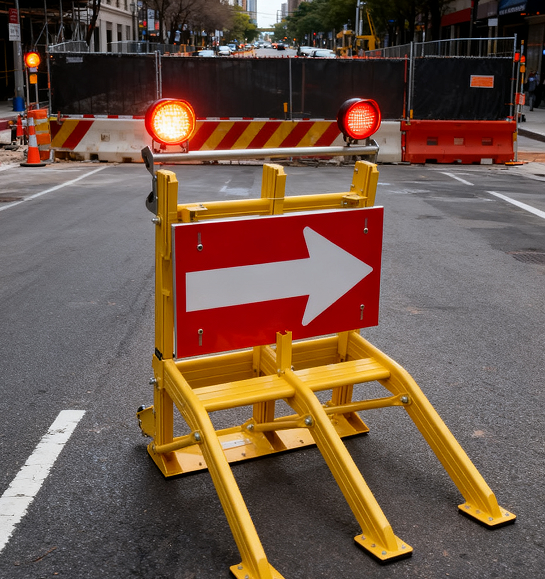
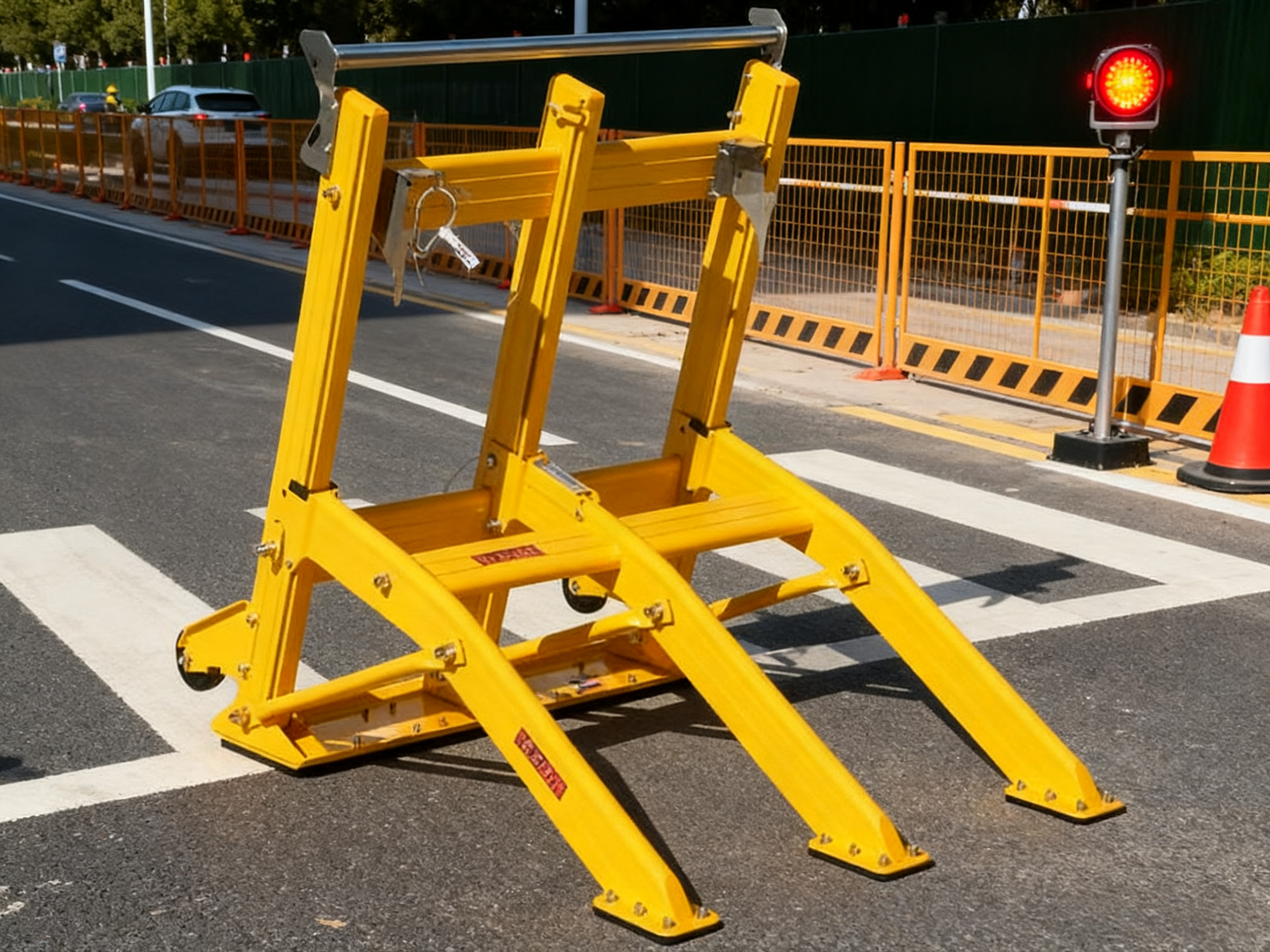
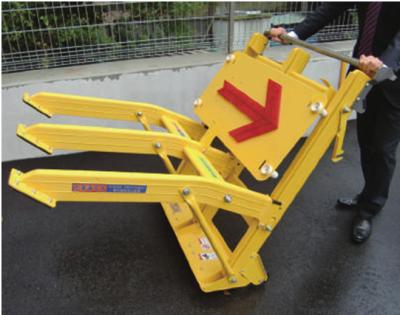
On road maintenance and municipal construction sites, safety is always the top priority. Tomarukun is a lightweight vehicle interception device built for exactly this purpose—it stands at the perimeter of the work zone, using its striking engineering yellow to send a clear signal to oncoming traffic: construction ahead, please slow down.
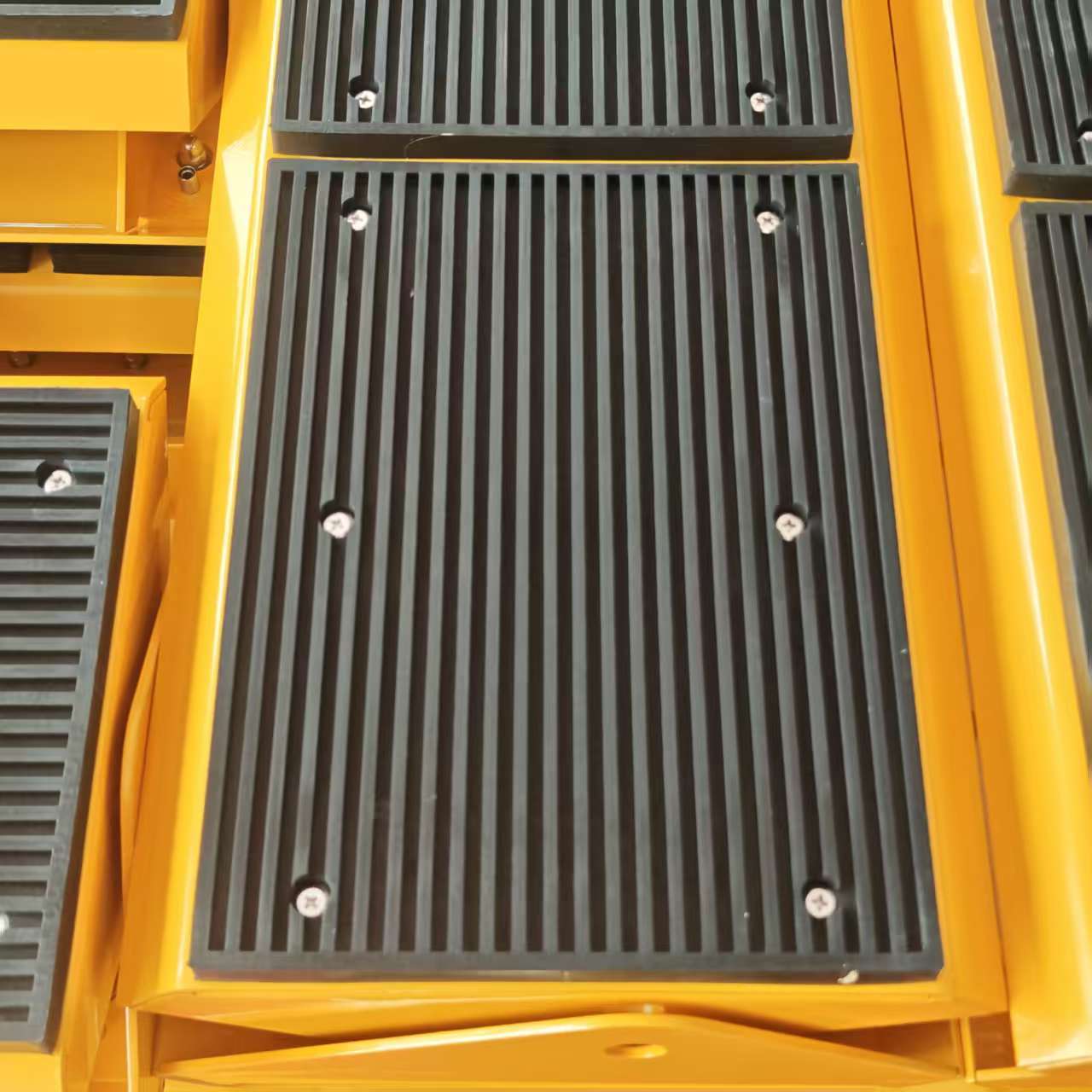
When an accident occurs, it doesn't just collapse upon impact like ordinary traffic cones. Its built-in purely mechanical lever mechanism lifts the front wheels the moment of collision, redirecting impact force vertically into the ground, while the bottom rubber pad grips the road surface tightly, converting residual kinetic energy into thermal energy through friction. At 60km/h, it brings the intruding vehicle to a firm stop in just 8.7 meters—a distance sufficient to hold the safety line for construction personnel.
Product Q&A
Q: Why can Tomarukun achieve short-distance braking?
A: The key lies in the kinetic energy conversion path. Upon impact, the lever lifts the front wheels, redirecting the vehicle's horizontal forward kinetic energy vertically into the ground, significantly reducing horizontal impact force. The remaining kinetic energy is converted into thermal energy through high-strength friction between the bottom rubber pad and the ground—rather than relying on the vehicle's own braking system—enabling braking within a short distance.
Q: Why are the front wheels lifted when a vehicle strikes the device?
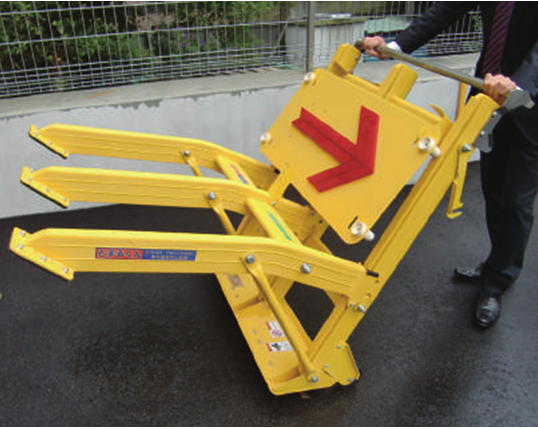
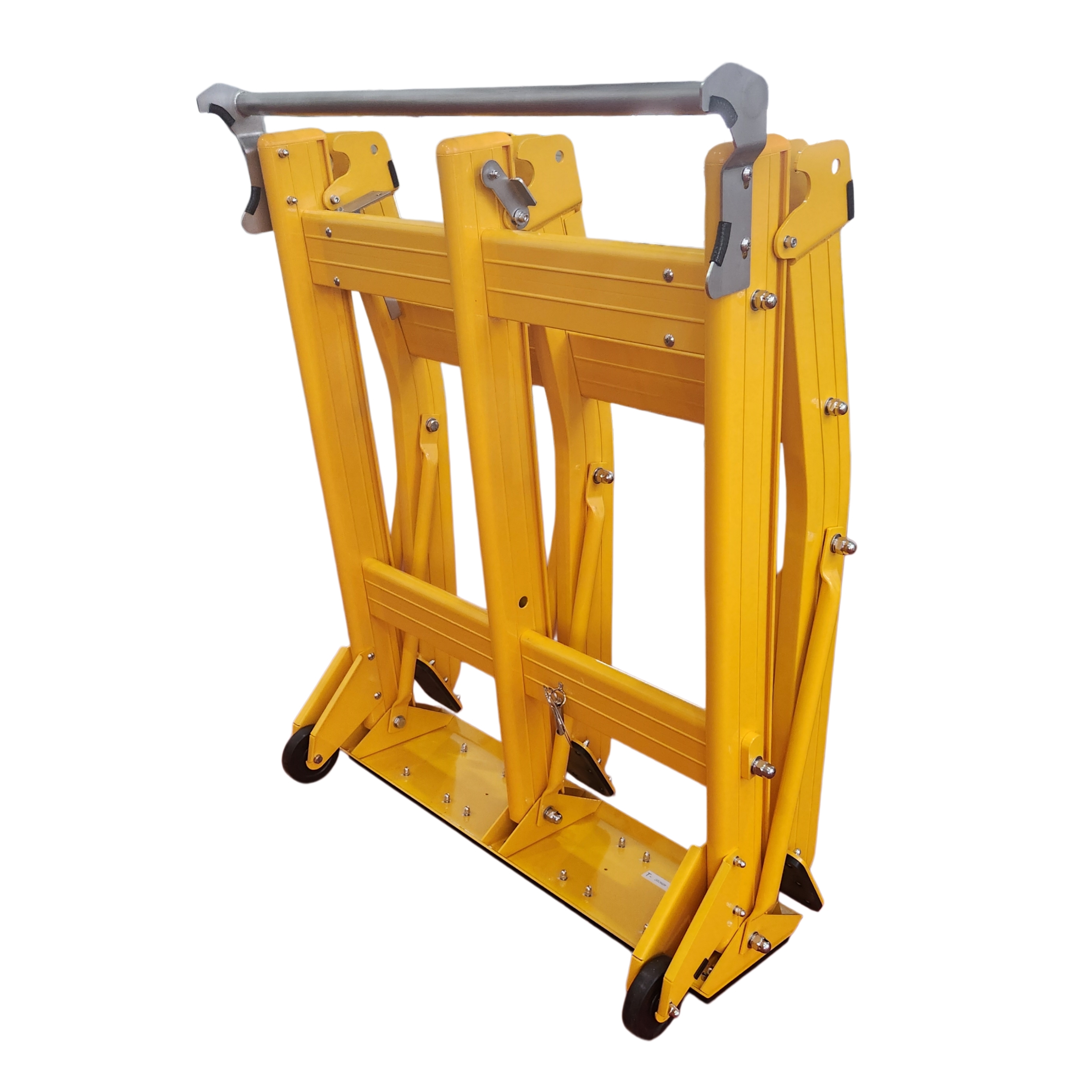
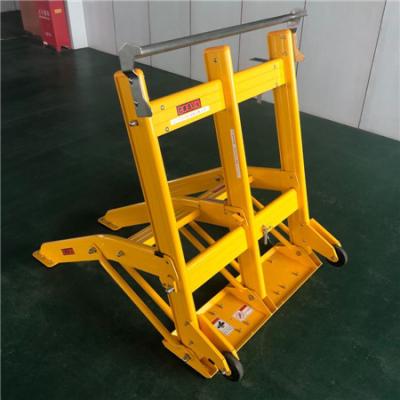
A: The front support arm and the main body form a lever through a hinged connection. When the vehicle's front wheels strike the support arm, the impact force is transmitted along the support arm to the pivot point, utilizing the lever principle to lift the front wheels upward—similar to how a car jack lifts a wheel. The lifting action is synchronized with the impact and requires no external power.
Q: Will the device still work if the vehicle hits off-center?
A: Yes. The front support arm spans the full width (830mm), so most frontal and partial side impacts can effectively trigger it. For severely off-center approaches, it is recommended to use cones to guide vehicles toward the front.
Q: Can the device withstand multiple impacts in succession?
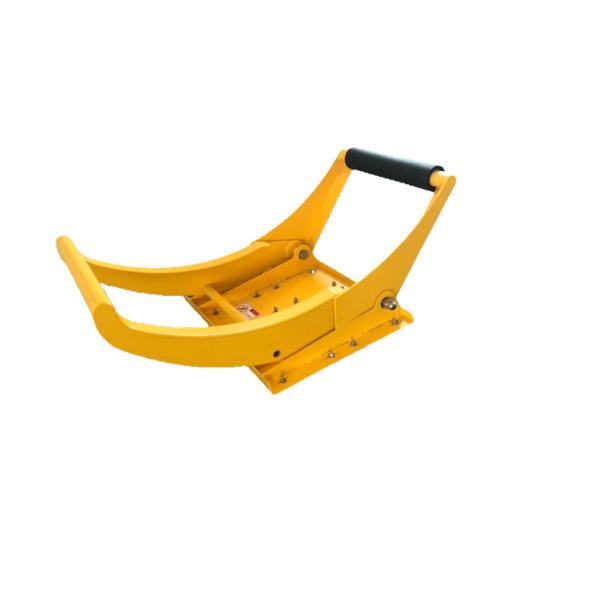
A: The main structure can withstand multiple impacts within its design limits. The rubber pad is a normal consumable part—regular inspection and replacement restore original braking performance.
Q: Could a vehicle jump over the device and rush into the work zone?
A: Not within the rated speed range. The device disrupts the vehicle's driving and steering capability by lifting the front wheels, while braking through ground friction energy dissipation. With a stopping distance of only 8.7 meters at 60km/h, it is far shorter than the typical safety distance for work zones.
Q: Can Tomarukun stop trucks or SUVs?
A: Braking data is based on 2000cc-class sedan testing. Heavier vehicles will have longer stopping distances due to greater mass. The product is primarily designed for passenger car protection—for heavy vehicles, assessment should be based on site-specific conditions.
Q: Can the device be used on curves or slopes?
A: Yes, but placement requires attention. Curves and slopes affect driver visibility and reaction time. It is recommended to place the device before the curve entrance or before the hilltop to ensure oncoming vehicles have sufficient distance to see and react.
Q: How is the device prevented from being knocked away upon impact?
A: When deployed, the main body and support arm form a stable triangular structure. The 25kg self-weight, combined with friction between the bottom rubber pad and the ground, ensures the device remains in place upon impact and will not be thrown off.