What is Industrial Control PCBs?
Industrial control PCBs (printed circuit boards) are specialized circuit boards applied in industrial control systems. As a critical component of industrial automation equipment, machinery, and controllers, they facilitate functions such as electrical signal transmission, control instruction processing, and power supply transmission. The design of industrial control PCBs must adhere to rigorous standards, demanding high reliability, durability, and the capability to adapt to complex environments. Consequently, they have specific requirements in material selection, design architecture, and manufacturing processes, among other aspects.
Main Advantages of Industrial Control PCB:
- High reliability and stability
- Adapt to harsh environments
- Improve the system's integration degree
- Good thermal management capability
- High temperature resistance and chemical resistance
- Anti-electromagnetic interference (EMI)
Industrial Control PCB Applications
1.Automation:PLCs, DCS, Industrial Robots, Motion Control
2.Transportation:ECUs, ADAS, BMS (EVs), Rail Control
3.Energy & Power:Inverters, UPS, Grid Monitoring, Renewable Energy
4.Medical:MRI, X-Ray, Patient Monitors, Surgical Robotics
5.Infrastructure:Industrial Ethernet Switches, IIoT Devices, HMI
Customized Industrial PCB Production
I. Pre-Production Preparation
File Confirmation: Check and confirm the completeness and accuracy of the design files (Gerbers, BOM, PCB layout, etc.) provided by the customer.
Spec Verification: Confirm key production specifications (layers, materials, surface finish, tolerance, etc.) with the customer to ensure consistency with their files.
DFM Review: Conduct Design for Manufacturability (DFM) review based on the customer’s files to optimize production feasibility and avoid risks without changing the customer’s original design.
II. Bare Board Fabrication
Layer Formation: Perform image transfer, etching and lamination on copper layers according to the customer’s layout files to form the core board structure.
Drill & Plate: Drill holes and plate them with copper according to the hole position and size requirements in the customer’s files to achieve interlayer conduction (vias).
Finish: Apply Solder Mask (for protection) and Surface Finish (for soldering) in accordance with the customer’s design files.
E-Test: Conduct electrical testing on the bare board to check for short circuits and open circuits, ensuring compliance with the electrical requirements in the customer’s files.
III. Assembly and Validation (PCBA Finished Products)
SMT: Print solder paste and automatically mount Surface Mount Components (SMCs) according to the customer’s BOM and layout files.
Soldering: Fix components using reflow soldering (for SMT) or wave soldering (for THT) in accordance with the soldering parameters designed by the customer.
Protection: Apply Conformal Coating if required by the customer’s files to protect the circuit board from moisture, dust and corrosion.
FCT: Conduct comprehensive testing according to the customer’s functional requirements to ensure the normal operation of the finished PCBA products.
IV. Final Inspection & Delivery
Final Quality Check: Inspect the finished PCBA products against the customer’s files and specifications to ensure no defects.
Packaging & Delivery: Package qualified products as required by the customer and deliver them on time.

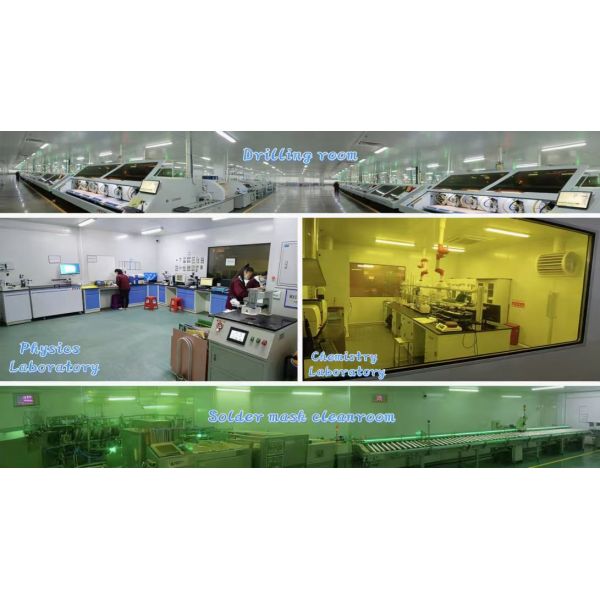
Factory showcase

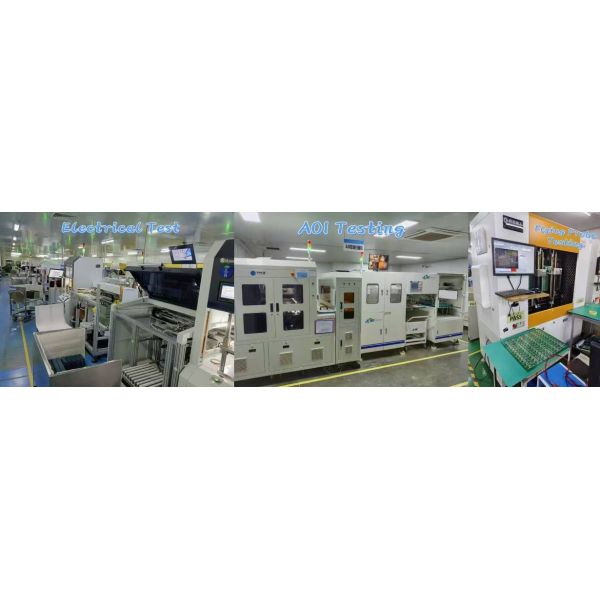
PCB Quality Testing

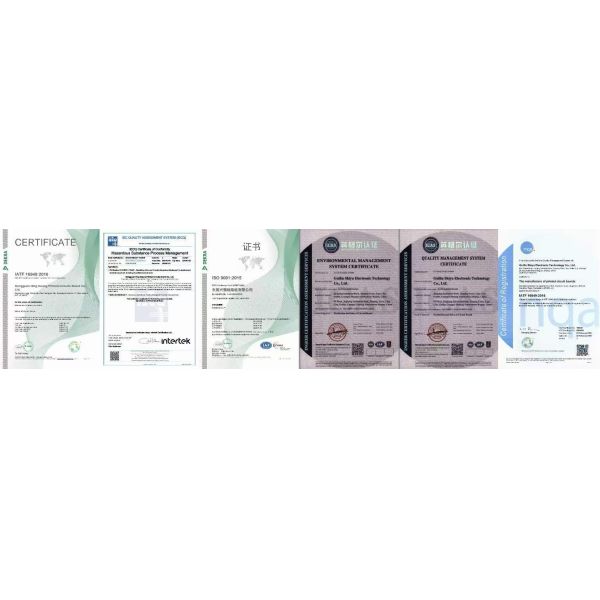
Certificates and Honors