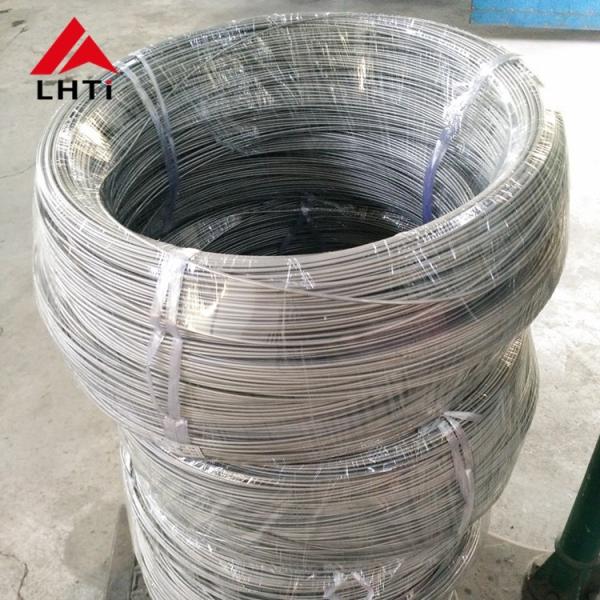
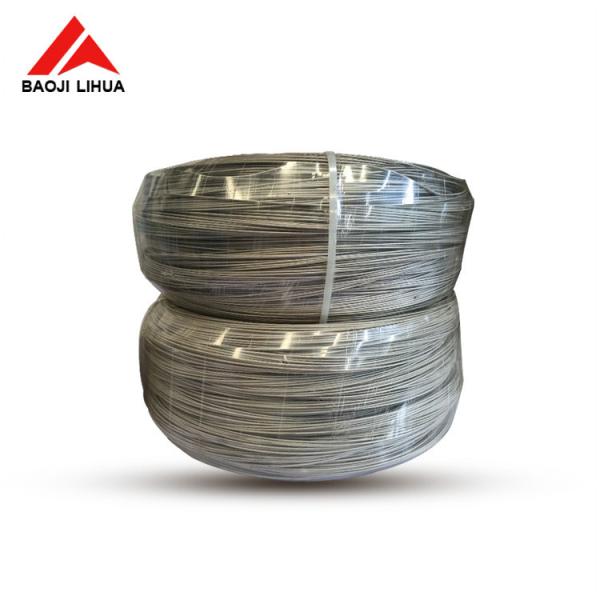
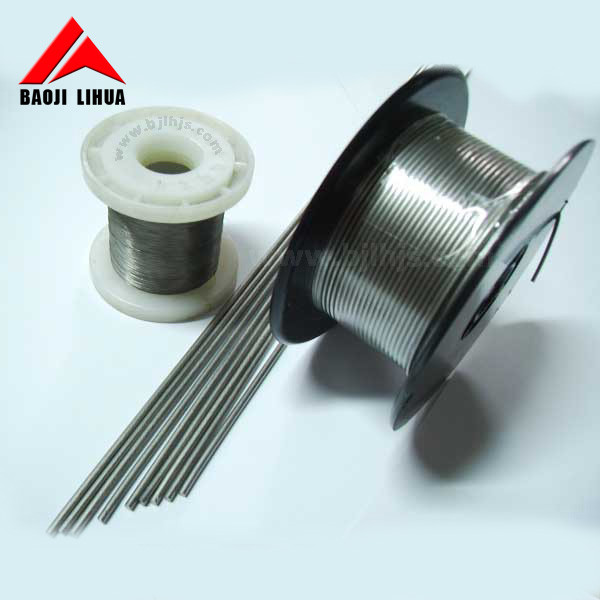
Grade 5 Titanium Wire ASTM F136/F1341 Pure Titanium Wire Titanium TI-6AL-4V Titanium Welding Wire
Pure Titanium Wire (Ti-6Al-4V) Weld Wire: The Ti-6Al-4V (Grade 23) is a titanium alloy commonly used in various applications, including the production of medical implants, surgical instruments, and micro surgical tools. This specific alloy, known for its high strength, corrosion resistance, and biocompatibility, is particularly valued in the medical field.
Key Properties of Ti-6Al-4V (Grade 23) Alloy
Composition: Ti-6Al-4V (Grade 23) consists of 90% titanium (Ti), 6% aluminum (Al), and 4% vanadium (V). The "ELI" designation refers to the Extra Low Interstitial version of this alloy, which offers improved toughness and lower levels of impurities, making it especially suitable for medical applications.
High Strength: Ti-6Al-4V is stronger than commercially pure titanium grades, which makes it ideal for load-bearing applications in the body, such as bone and joint replacements. It has a yield strength of approximately 900 MPa and ultimate tensile strength around 950 MPa.
Biocompatibility: The alloy's biocompatibility makes it suitable for surgical implants. It integrates well with human tissues, reducing the likelihood of rejection. Its resistance to corrosion, especially in bodily fluids, ensures the longevity of implants.
Corrosion Resistance: Titanium alloys, including Ti-6Al-4V, exhibit excellent resistance to corrosion, particularly in environments with high acidity or saline conditions, making them ideal for long-term implantation.
Formability: While Ti-6Al-4V is strong, it is also sufficiently formable, especially after annealing. This allows for the creation of complex shapes used in medical implants, prosthetics, and instruments.
Moderate Wear Resistance: Titanium alloys offer moderate wear resistance, which is critical for medical devices that endure friction over extended periods, such as joint replacements.
Toughness: The alloy has high toughness, which is crucial for surgical applications where the material needs to withstand dynamic loading and stress.
Medical Applications
Due to the unique combination of properties, Ti-6Al-4V (Grade 23) is extensively used in medical applications:
- Orthopedic Implants: Used in devices like hip and knee replacements, spinal implants, and fracture fixation devices.
- Dental Implants: Titanium alloys are highly preferred for dental implants due to their biocompatibility and ability to fuse with bone (osseointegration).
- Surgical Instruments: The alloy is used for microsurgical instruments, dental tools, and neurosurgical devices. It is also combined with stainless steel for specific applications requiring a balance of properties.
- Cardiovascular and Stent Implants: Ti-6Al-4V alloys are used in the production of vascular stents and other cardiovascular implants.
Annealing Process
Annealing is a heat treatment process used to soften the titanium alloy, making it easier to form and shape, and increasing its toughness. The typical process involves heating the titanium to a high temperature and then cooling it at a controlled rate. This treatment:
- Improves formability
- Relieves internal stresses created during shaping or welding
- Increases toughness, which is important for minimizing the risk of brittleness in the final product, particularly in medical implants where toughness is a key property
Medical ASTM Specifications: ASTM F136/F1341
- ASTM F136: This specification refers to implantable titanium alloys used for surgical implants, ensuring high purity and precise composition.
- ASTM F1341: It specifically covers the requirements for wrought titanium alloys (like Ti-6Al-4V ELI) used for the fabrication of medical devices, ensuring that the material meets stringent mechanical and biological compatibility standards.
Benefits of Ti-6Al-4V for Medical Use
- Long-term Durability: With its combination of high strength and excellent corrosion resistance, Ti-6Al-4V provides long-lasting performance in the human body.
- Lightweight: Titanium alloys have a low density, which helps to reduce the weight of implants and surgical tools, enhancing patient comfort.
- Biointegration: Titanium's ability to bond with bone (osseointegration) is crucial for orthopedic and dental implants.
Applications in Various Medical Disciplines
- General Surgery: Titanium implants and tools are used in many surgical procedures due to their strength and versatility.
- Stomatology (Dentistry): Titanium is used in dental implants due to its ability to fuse with bone tissue.
- Neurosurgery: In neurosurgical instruments, titanium alloys provide the necessary strength and precision while maintaining a minimal weight for delicate procedures.
- Otolaryngology (ENT): Titanium is used in implants or devices for ear and sinus surgeries due to its non-reactivity and corrosion resistance.
- Ophthalmology: Titanium alloys are used in eye surgeries for their lightweight and durable properties.
Lead Time and Availability
Stock Sizes: Some sizes of ErTi5 welding wire are available in stock, ready for quick delivery.
Custom Production: If the required size is not available in stock, the wire can be made to order with a production lead time of 10 working days depending on the quantity.
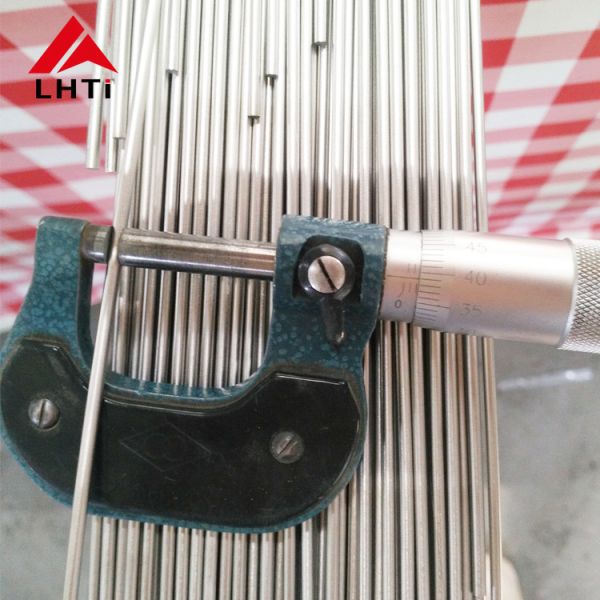
Flexible Sizing: The wire is available in 0.6mm, 0.8mm, and 1mm diameters, but other sizes may also be produced upon request, ensuring flexibility for various welding applications.
Comparison: TIG vs. MIG for Titanium
When welding titanium (or other sensitive materials), TIG welding is typically the preferred method because:
- Precision and Control: TIG welding provides superior control over the heat input and weld pool, essential when working with materials like titanium, which can be sensitive to contamination and oxidation at high temperatures.
- No Spatter: TIG produces less spatter compared to MIG, which is especially important when welding materials that require clean and cosmetic welds, such as in aerospace or medical applications.
- Cleaner Welds: Since the tungsten electrode is non-consumable, the process tends to produce cleaner, high-quality welds, which is crucial for industries like aerospace, marine, and medical implants, where weld strength and appearance are critical.
Summary of Key Differences
| Feature |
TIG Welding |
MIG Welding |
| Electrode Type |
Non-consumable tungsten electrode |
Consumable wire |
| Filler Metal |
Optional (can be added with rods) |
Filler metal supplied by the wire |
| Arc Control |
More precise, better for thin materials |
Less precise, faster for thick materials |
| Spatter |
Minimal spatter |
More spatter |
| Weld Quality |
High-quality, clean welds |
Fast but may have more defects |
| Applications |
Aerospace, medical, thin materials |
Automotive, general fabrication |
| Speed |
Slower, but more accurate |
Faster, suitable for larger materials |
Chemical Specifications
| AWS |
UNS Number |
C |
O |
N |
H |
I |
Al |
V |
Pd |
| ERTi 1 |
R50100 |
0.03 |
0.03-0.10 |
0.012 |
0.005 |
0.08 |
- |
- |
- |
| ERTi 2 |
R50120 |
0.03 |
0.08-0.16 |
0.015 |
0.008 |
0.12 |
- |
- |
- |
| ERTi 4 |
R50130 |
0.03 |
0.08-0.32 |
0.025 |
0.008 |
0.25 |
- |
- |
- |
| ERTi 5 |
R56400 |
0.05 |
0.12-0.20 |
0.03 |
0.015 |
0.22 |
5.5-6.7 |
3.5-4.5 |
- |
| ERTi 7 |
R52401 |
0.03 |
0.08-0.16 |
0.015 |
0.008 |
0.12 |
- |
- |
0.12-0.25 |
Specifications of Titanium Wire
| Material |
Pure titanium and Titanium alloy |
| Titanium Grade |
GR1/GR2/GR3/Gr4/GR5/GR7/GR9/GR12/Gr5Eli/Gr23 ERTi-1/ERTi-2/ERTi-3/ERTi-4/ERTi-5Eli/ERTi-7/ERTi-9/ERTi-11/ERTi-12 Ti15333/Nitinol Alloy |
| Standard |
AWS A5.16/ASTM B863/ASME SB863, ASTMF67, ASTM F136, ISO-5832-2(3) etc |
| Shape |
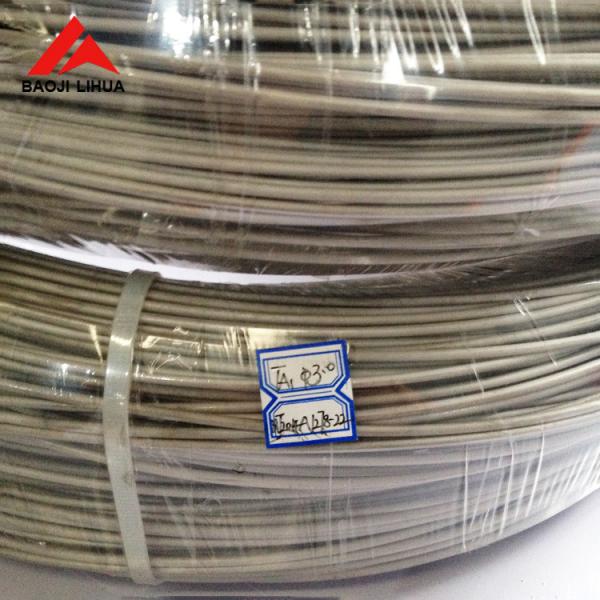
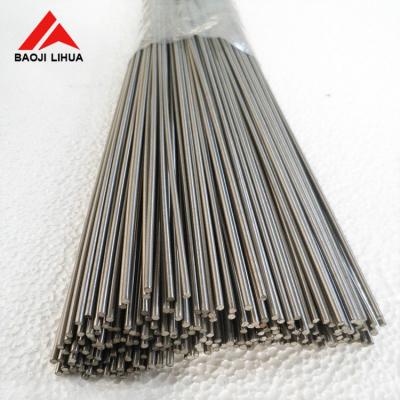
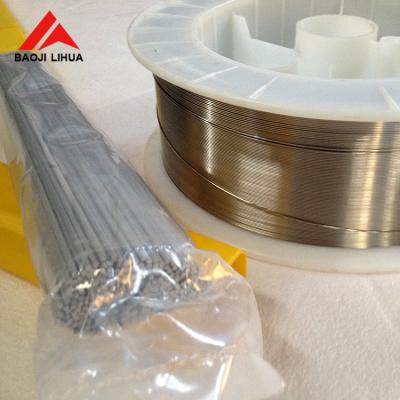
Titanium Coil Wire/Titanium Spool Wire/Titanium Straight Wire |
| Wire Gauge |
Dia(0.06--6) *L |
| Process |
Bar billets-hot rolling-drawing-annealing-strength-pickling |
| Surface |
Polishing, picking, acid washed, black oxide |
| Main Technique |
Hot Forged; Hot Rolled; Cold drawn; Straighten etc |
| Material Milling Certificate |
According to. EN 10204.3.1 Including Chemical composition and Mechanical property |
| Application |
Welding, Industry, Medical, Aerospace, Electronic etc |
Base Metal Grade Specifications
| ASTM Base Metal Grade |
Base metal UTS(min.) ksi[Mpa] |
YS(min.) ksi[Mpa] |
Normal composition |
Recommended Filler Metal |
| Grade 1 |
35[240] |
20[138] |
Unalloyed Ti CP1 |
ERTi-1 |
| Grade 2 |
50[345] |
40[275] |
Unalloyed Ti CP2 |
ERTi-2 |
| Grade 4 |
80[550] |
70[483] |
Unalloyed Ti CP4 |
ERTi-4 |
| Grade 5 |
130[895] |
120[828] |
Ti 6AL-4V |
ERTi-5 |
| Grade 7 |
50[345] |
40[275] |
Ti 0.15Pd |
ERTi-7 |
Conclusion
ErTi5 (Ti6Al4V) Titanium Welding Wire offers a reliable, high-performance solution for welding applications in industries that demand strength, corrosion resistance, and light weight. Whether you're welding for aerospace, medical, marine, or automotive purposes, this titanium alloy wire ensures high-quality, durable welds. With various sizes available and a quick production lead time, it is an excellent choice for TIG and MIG welding applications that require high precision and exceptional performance.