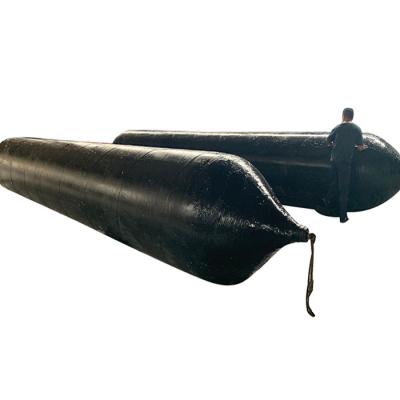
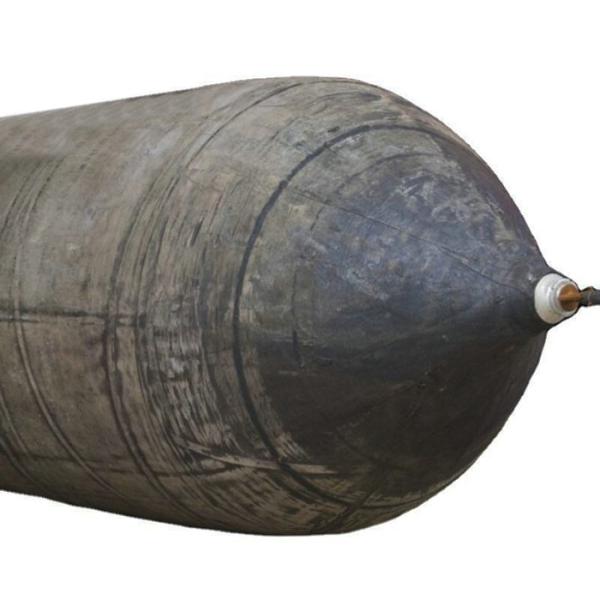
Marine Airbag Large Load Bearing Superior Aging Resistance Flexible Inflatable Structure
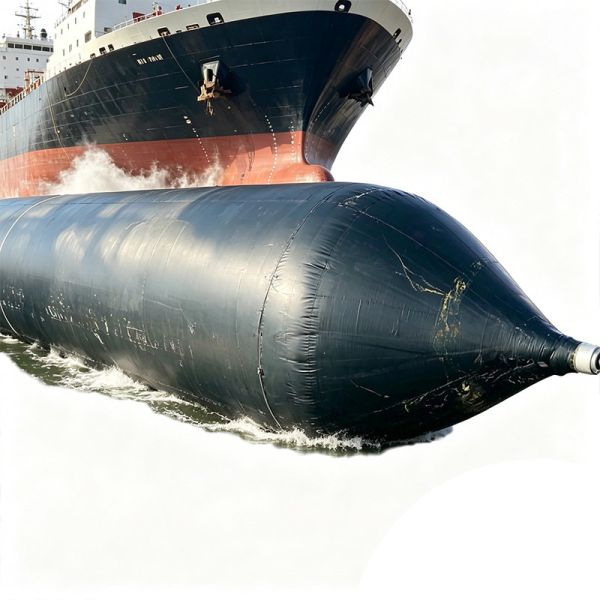
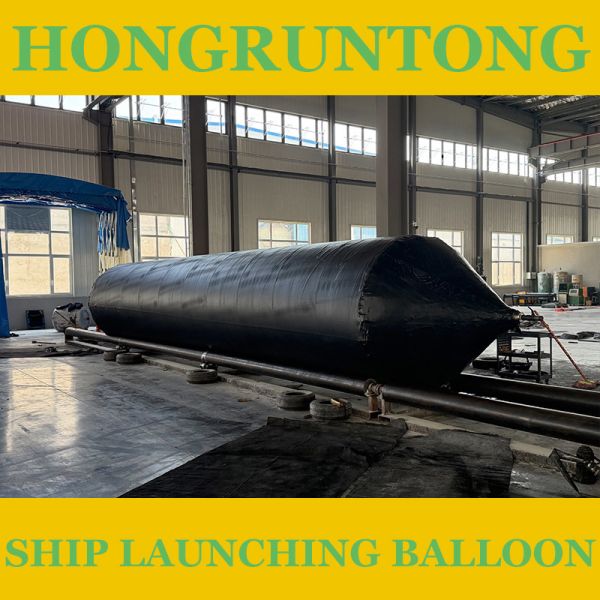
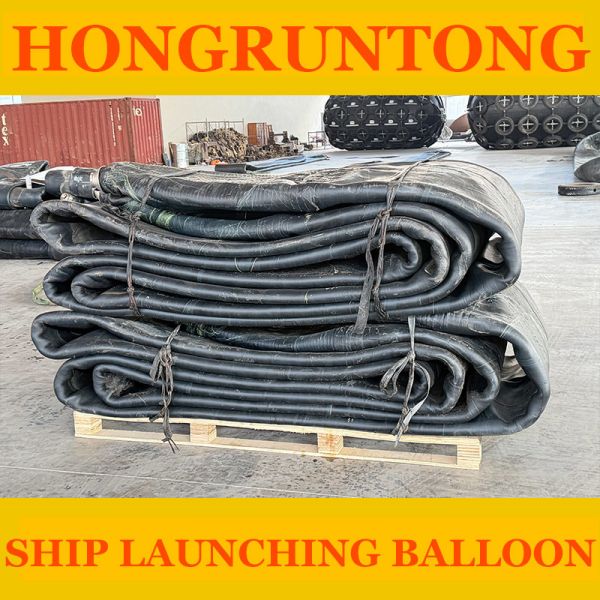
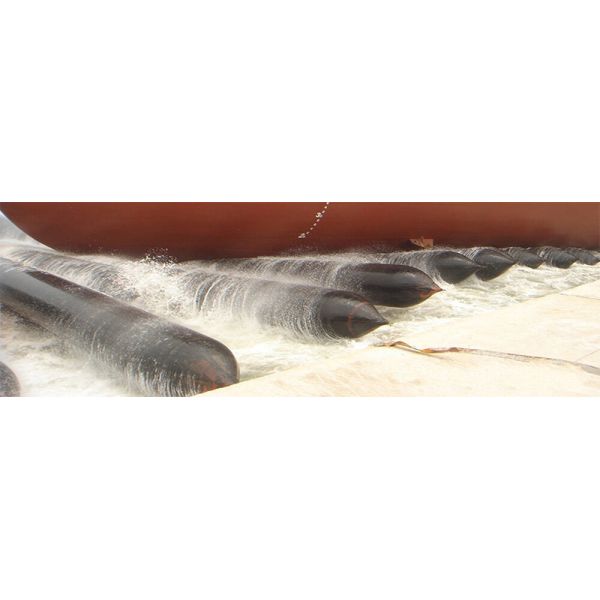
Ship Launching Balloon is an inflatable marine load transfer and vessel launching system engineered for high-load shipyard operations, slipway replacement applications, and controlled hull-to-water transition processes. The system is constructed using high-tensile multi-layer synthetic tire cord reinforcement embedded within a modified nitrile rubber matrix, forming a cylindrical pneumatic structure designed for enhanced pressure containment, fatigue resistance, and long-cycle industrial operation.
The manufacturing process integrates precision vulcanization technology with staged lamination of reinforcement layers under controlled tension alignment. This structural architecture improves interlayer bonding strength and ensures uniform stress transmission across circumferential and axial directions.
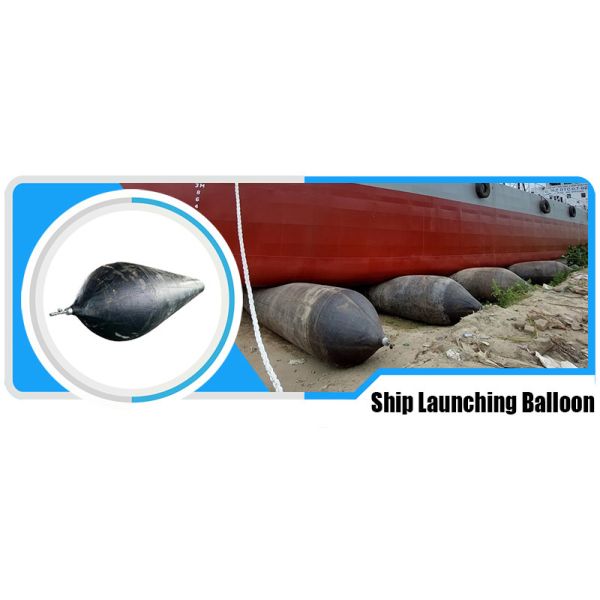
Case Study: Shipyard Application - Bangladesh Riverine Shipbuilding Yard
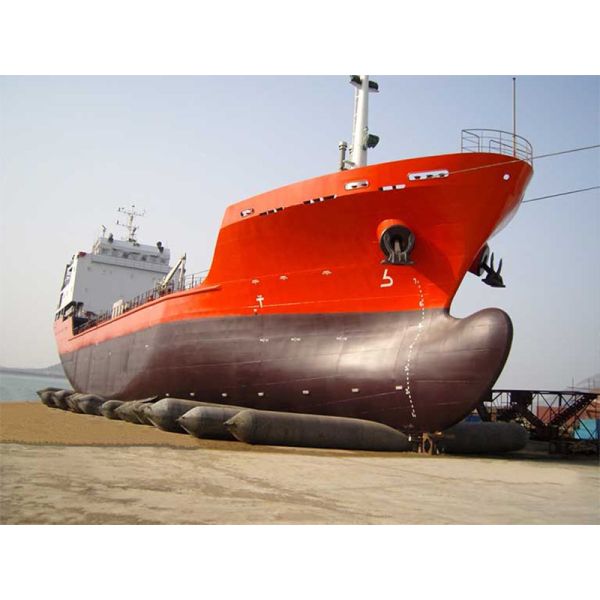
A river-based shipbuilding yard in Bangladesh operating along sediment-heavy and seasonally unstable riverbank conditions required a launching solution for a 7,800 DWT product tanker. The Ship Launching Balloon system was deployed as a distributed pneumatic load stabilization platform arranged in a staggered multi-line configuration beneath the hull structure.
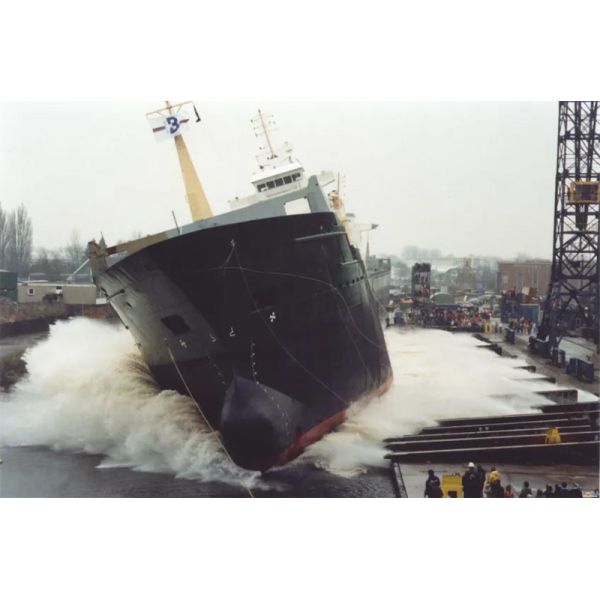
Operational results showed significant improvement in launch trajectory stability and elimination of abrupt slip events previously observed in greased skid systems. Post-operation inspection confirmed uniform hull load distribution without localized deformation marks.
Specifications
| Product Name |
Ship Launching Balloon |
| Material |
100% High Tensile Natural Rubber (NR) |
| Dimensions |
Diameter 0.2m - 4.0m, Length 3.0m - 28.0m, or As Request |
| Working Pressure |
0.05-0.25MPA |
| Technology |
Overall Winding, High Pressure, Explosion-Proof |
| Metal Parts |
Q355 / SS304 / SS316 |
| Standard |
ISO 17357 |
| Service Life |
20 Years |
| Warranty |
36 Months |
Load Capacity Specifications
| Diameter |
Working Pressure |
Working Height |
Bearing Capacity KN/m |
Bearing Capacity Ton/m |
| D=1.0m |
0.14Mpa |
0.6m |
87.96 |
8.98 |
| D=1.0m |
0.14Mpa |
0.5m |
109.96 |
11.22 |
| D=1.0m |
0.14Mpa |
0.4m |
131.95 |
13.46 |
| D=1.2m |
0.12Mpa |
0.7m |
94.25 |
9.62 |
| D=1.2m |
0.12Mpa |
0.6m |
113.10 |
11.54 |
| * Other sizes can be provided following client's requirements |
Key Features
- High-Strength Multi-Layer Reinforced Pressure Vessel Structure: Engineered using multi-layer synthetic tire cord reinforcement embedded within high-modulus rubber matrix for optimal tensile resistance and load distribution.
- Enhanced Pressure Stability and Internal Energy Retention System: Optimized rubber compound formulation and micro-sealing vulcanization technology reduce internal pressure loss under prolonged loading.
- Optimized Structural Fatigue Resistance Engineering: Reinforcement architecture designed to resist long-term fatigue from alternating compression and rolling deformation.
- Controlled Deformation and Load Transition Mechanism: Engineered for controlled elastic deformation under high compressive loads while maintaining predictable rolling motion behavior.
Applications
- High-frequency shipyard launching operations for medium and large displacement vessels
- Riverine and coastal engineering shipbuilding systems in sediment-prone environments
- Marine infrastructure and floating structure handling for offshore construction
Why Choose Hongruntong Marine
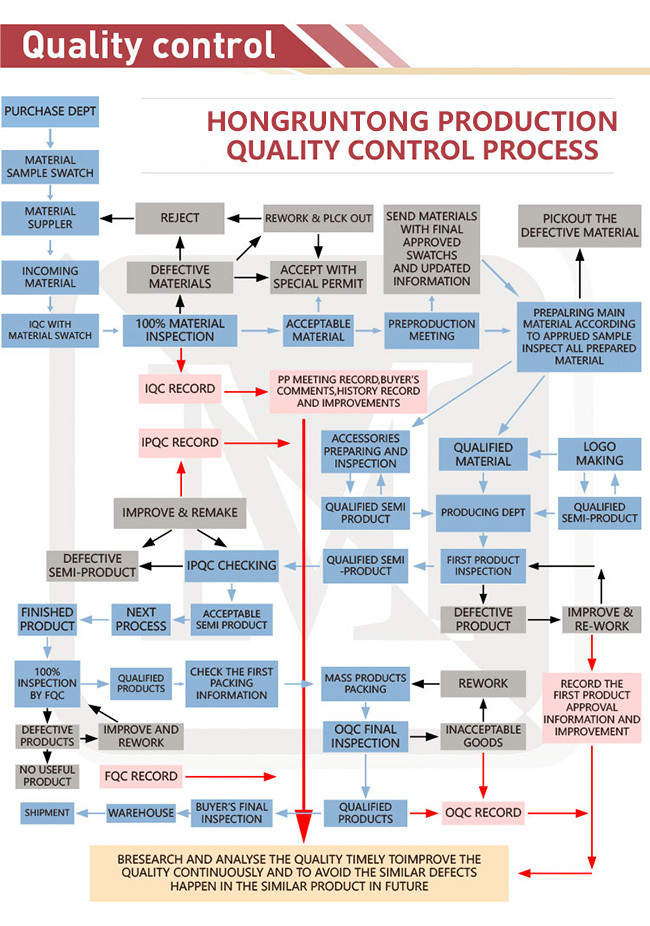
- Advanced industrial manufacturing and material processing capability with integrated production system
- Engineering-oriented structural design and simulation capability for load distribution analysis
- Material science optimization and performance enhancement system for improved fatigue resistance
- Global marine engineering application experience and comprehensive technical support
Frequently Asked Questions
How does pressure variation affect operational stability of the system?
Operational stability is maintained through controlled pressure regulation within the pneumatic chamber. The system is designed to operate within defined pressure ranges that ensure consistent structural stiffness and prevent excessive deformation under load.
Can the system be used in high-moisture or river sediment environments?
Yes, the system is engineered with corrosion-resistant rubber compounds and sealed reinforcement layers, allowing stable operation in high-moisture, sediment-rich, and riverine environments without performance degradation.
What is the impact of repeated rolling cycles on structural integrity?
The reinforcement architecture is designed to withstand cyclic rolling deformation. Stress dispersion across layered cord structure minimizes fatigue concentration, ensuring long-term operational durability under repeated use.