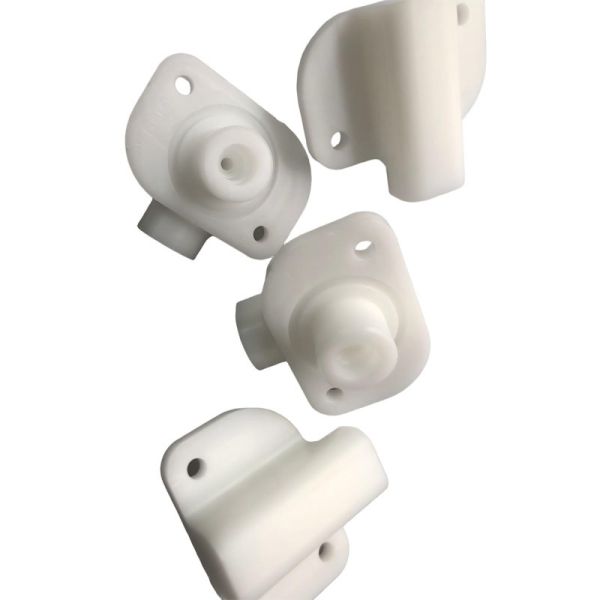
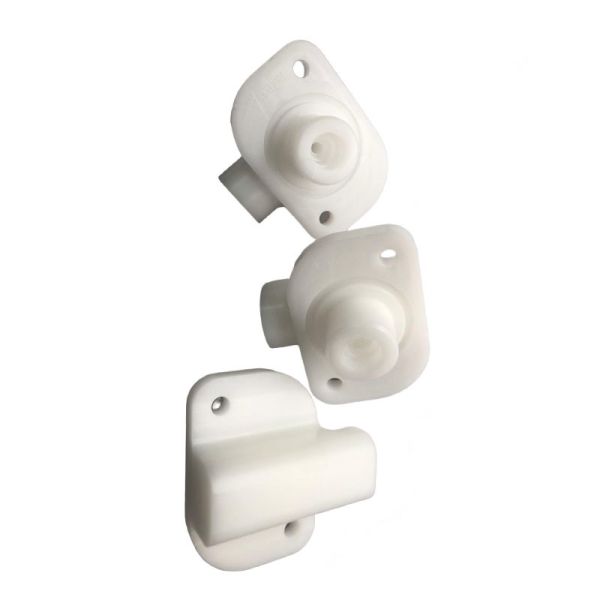
High-precision CNC machined spacer manufactured from white acetal material, designed for 3D prototyping applications requiring exceptional dimensional accuracy and tight tolerances.
CNC Machining Key Features
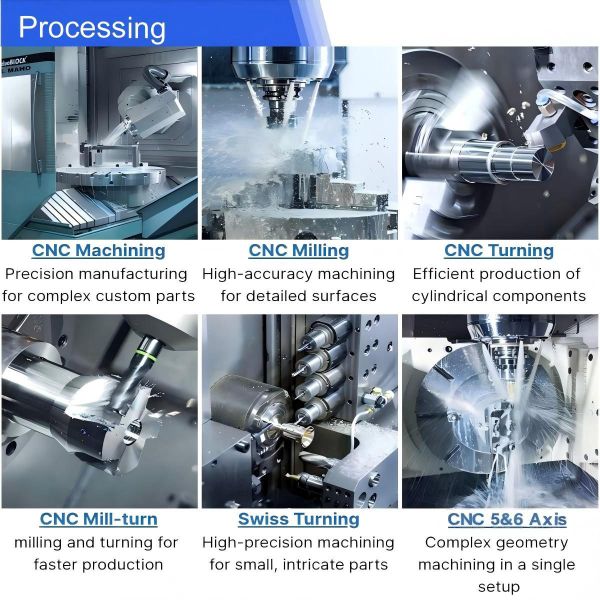
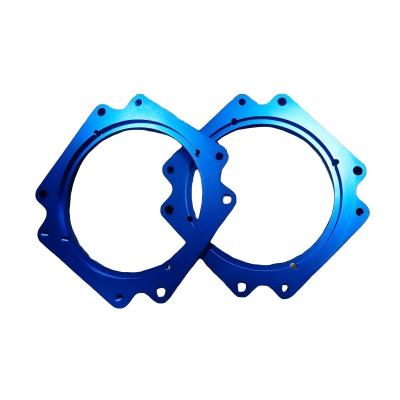
CNC machining parts are renowned for exceptional dimensional accuracy and tight tolerances, ranging from micro-components to large-scale industrial components. Manufactured via computer-controlled cutting tools, these parts ensure consistent quality across high-volume production runs, and are compatible with a wide array of materials including metals, plastics, and composites, making them ideal for aerospace, automotive, and machinery manufacturing sectors.
Target Industries & Applications
Industrial Automation & Robotics
Components: Linear guides, actuator housings, sensor mounts, robotic end-effectors
Value Proposition: Reduced downtime, improved repeatability, extended service life
Medical & Healthcare Equipment
Components: Surgical instrument parts, imaging device components, diagnostic equipment housings
Standards Compliance: Biocompatible materials, cleanroom manufacturing options available
Semiconductor & Electronics
Components: Wafer handling fixtures, heat sinks, connector housings, test sockets
Critical Requirements: ESD-safe materials, ultra-clean surfaces, non-contaminating
Aerospace & Defense
Components: Aircraft fittings, radar components, drone structures, navigation parts
Certifications: NADCAP accreditation available for specific applications
Automotive & Transportation
Components: Engine components, transmission parts, fuel system elements, EV battery housings
Capabilities: High-volume production, just-in-time delivery, kanban systems
Frequently Asked Questions
Q: What is the difference between Swiss-type and conventional CNC turning?
A: Swiss-type lathes guide material through a bushing near the cutting tools, providing exceptional support for long, slender parts and enabling complex secondary operations in a single setup. Conventional lathes are typically more cost-effective for shorter parts with simpler geometries.
Q: Can you hold both metric and imperial tolerances?
A: Yes, our equipment and inspection tools are capable of working in both measurement systems. We regularly produce parts to ISO (metric) and ASME (imperial) standards.
Q: Do you provide material certifications?
A: Yes, we provide full traceability with mill test certificates for all metal materials. Additional testing (chemical analysis, mechanical properties) is available upon request.
Q: What is your minimum order quantity?
A: We accommodate orders from single prototypes to high-volume production. For standard materials and processes, our minimum production order is typically 50 pieces, but we evaluate all requests individually.
Q: How do you handle design changes during production?
A: All design changes follow a formal Engineering Change Order (ECO) process with customer approval. We maintain revision control of all drawings and specifications.
Q: Can you reverse engineer parts from samples?
A: Yes, we offer reverse engineering services using CMM measurement and 3D scanning to create manufacturing drawings from physical samples.
Contact for Custom Quotations
For project-specific pricing and technical consultation, please provide:
- Complete drawings or 3D models with critical dimensions called out
- Material specifications or performance requirements
- Quantity requirements (prototype, annual volumes)
- Applicable industry standards or certifications
- Target timeline and delivery requirements
Engineering Support: Technical review and preliminary quotations within 24 hours for complete submissions.