1. Understand Decanter Centrifuges in One Sentence
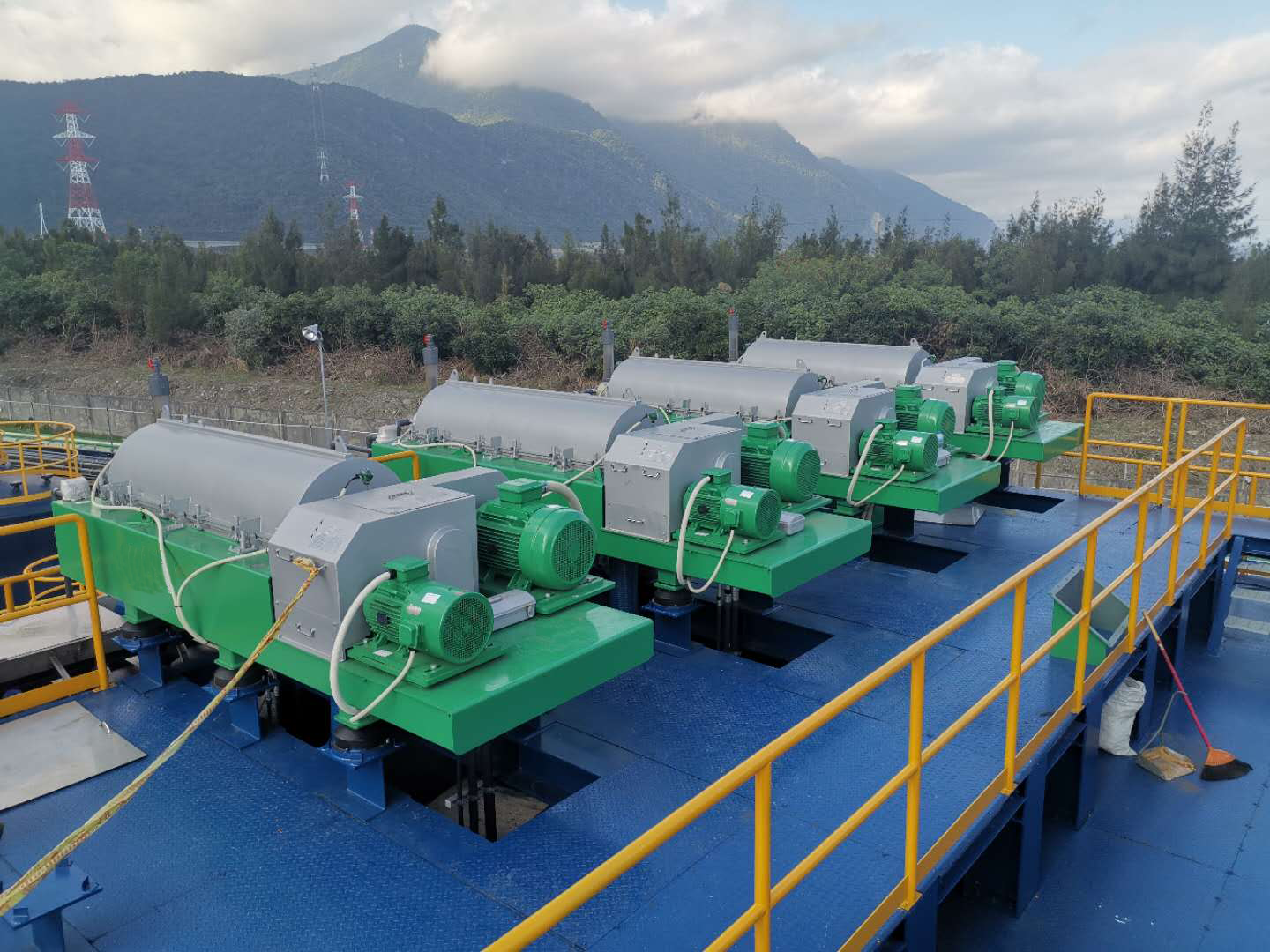
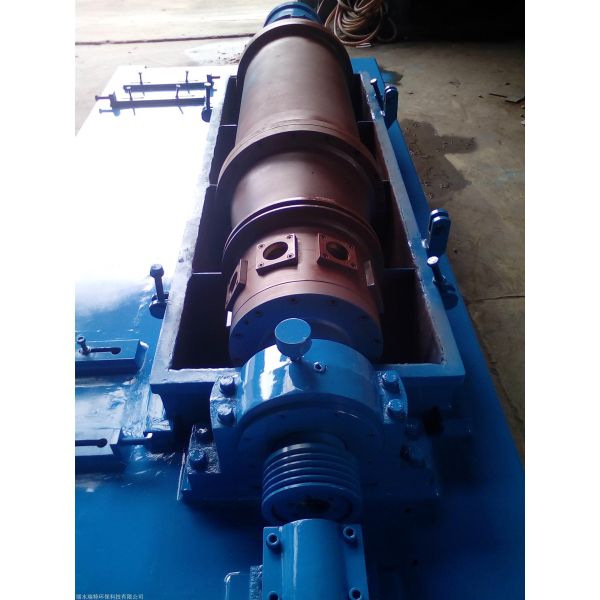
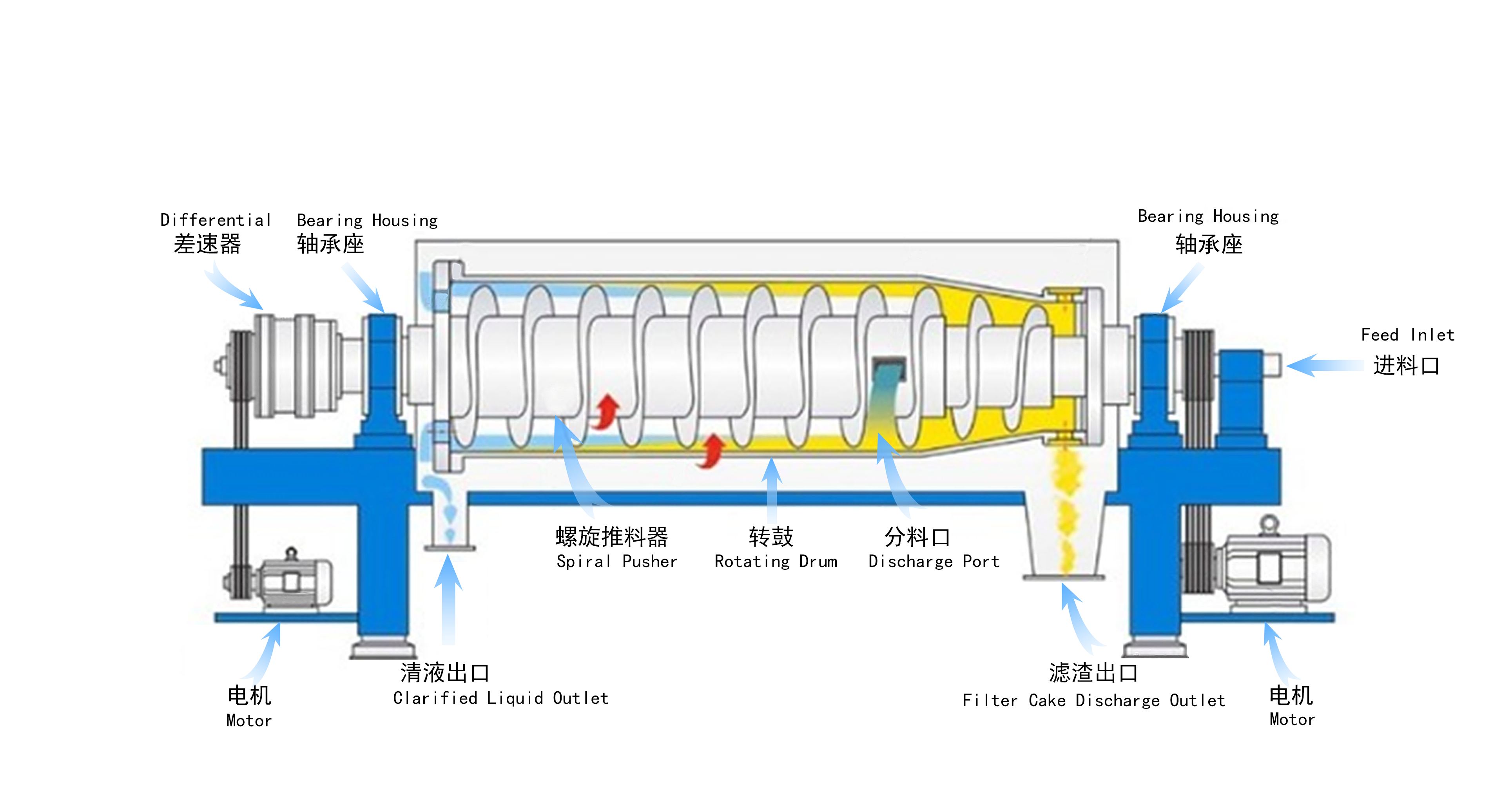
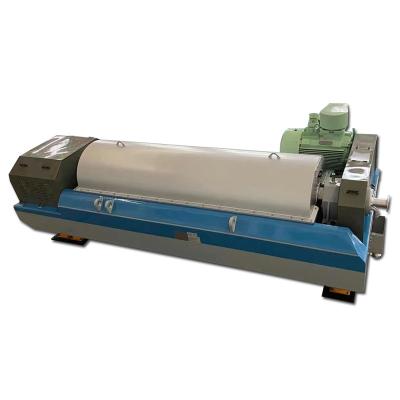
The horizontal screw decanter centrifuge (commonly called a "decanter") is a continuous solid-liquid separation device that uses high-speed rotation to generate centrifugal force, causing suspended solids to settle and be continuously discharged from the liquid phase.
It requires no filter cloths, no vacuum pumps, and no frequent washing, and can operate 24/7 automatically—making it the globally recognized, high-value solution for sludge dewatering and solid-liquid separation in water treatment.
2. Three Core Application Scenarios & Technical Matching
Scenario 1: Municipal Wastewater Treatment Plants (Sludge Dewatering)
Challenges: Biological sludge is fine, sticky, and hard to dewater; cake moisture must be ≤80%; operational cost sensitivity is high.
Solution:
- Use high L/D ratio models (≥4.0) to extend residence time
- Maintain differential speed at 1–5 rpm to preserve floc structure
- Standard PLC auto-adjusts differential speed to handle feed concentration fluctuations
Results:
- Cake moisture: 75–80%
- Centrate SS: ≤100 mg/L
- Polymer savings: 10–15%
Scenario 2: Industrial Wastewater (Chemical, Pharma, Textile, Food, etc.)
Challenges: Corrosive media (acids/bases/salts), variable solids content, potential explosion risk.
Solution:
- Wetted parts upgraded to Duplex 2205 or Super Duplex stainless steel
- Scroll flights hardfaced with tungsten carbide for abrasion resistance
- Optional explosion-proof motors and nitrogen inerting system
Results:
- Cake moisture: 65–75% (material-dependent)
- Solid recovery: ≥95%
- Equipment service life: ≥15 years
Scenario 3: Mining & Tunneling (Tailings Dewatering, TBM Slurry)
Challenges: High throughput (often ≥100 m³/h), coarse/abrasive solids, high sand content, extreme wear demands.
Solution:
- Select large-diameter bowls (≥650 mm)
- Full tungsten carbide wear tiles on scroll flights
- Hydraulic differential drive for superior shock and torque resistance
Results:
- Capacity: 60–150 m³/h
- Solid recovery: ≥98%
- Major overhaul interval: ≥30,000 operating hours
3. Quick-Reference Technical Parameter Table (Optimized for Three Scenarios)
Note: Values are general industry standards for preliminary selection and comparison.
| Parameter |
Municipal Wastewater |
Industrial Wastewater |
Mining / Tunneling |
| Bowl Diameter (mm) |
450 – 650 |
350 – 530 |
650 – 800 |
| Length-to-Diameter Ratio (L/D) |
≥4.0 |
3.5 – 4.2 |
3.5 – 4.0 |
| Max. Bowl Speed (rpm) |
3,200 – 4,000 |
3,500 – 4,500 |
2,400 – 3,000 |
| Separation Factor (×g) |
2,500 – 3,500 |
3,000 – 4,000 |
2,000 – 2,800 |
| Throughput (m³/h) |
15 – 60 |
5 – 30 |
60 – 150 |
| Cake Moisture |
75–80% |
65–75% |
Varies (e.g., tailings often <20% solids → ~80% moisture) |
| Solid Recovery Rate |
≥95% |
≥95% |
≥98% |
| Main Motor Power (kW) |
37 – 75 |
22 – 45 |
90 – 160 |
| Construction Material |
Duplex 2205 |
Duplex 2205 / Super Duplex |
Super Duplex + Tungsten Carbide |
| Differential Type |
Planetary Gear |
Planetary (hydraulic optional) |
Hydraulic (heavy-duty) |
| Automation |
PLC + Touchscreen |
PLC + Touchscreen (+ ATEX optional) |
PLC + Remote Monitoring |
All parameters are adjustable based on specific feed characteristics and site requirements.
4. Top 4 Client Questions – Direct Answers
Q1: How much more expensive is a decanter vs. a belt press?
Initial CAPEX is 30–50% higher, but:
- Drier cake → 30%+ lower transport/disposal costs
- Fully automatic → 50–70% lower labor costs
- Zero wash water → 100% water savings
→ Typical payback period: 12–18 months
Q2: Can it handle oily sludge?
Yes. With proper chemical conditioning (demulsification) and optionally low-speed hydraulic operation, it effectively processes oily sludges from refineries and tank bottoms.
Q3: How to select for small-batch or complex feeds?
We recommend sending 1–2 liters of representative sample for lab testing. We’ll provide:
- Separation curve (moisture vs. G-force)
- Optimal flocculant type & dosage
- Recommended model & differential settings
Q4: Export packaging and certifications?
- Packaging: Fumigation-free wooden crate or waterproof tarpaulin + steel frame (marine-grade)
- Certifications: CE (optional), ISO 9001
- Documentation: Operation manual (English/Chinese/Russian/Spanish), packing list, test report
5. 5 Key Parameters Clients Must Provide Before Sizing
To ensure accurate proposal development, please confirm:
- Material type (municipal sludge / chemical sludge / mineral slurry / other)
- Feed solids concentration (%)
- Required throughput (m³/h)
- Target cake moisture (%)
- Special requirements (explosion-proof / acid/alkali resistance / high wear / food-grade)