Product description:
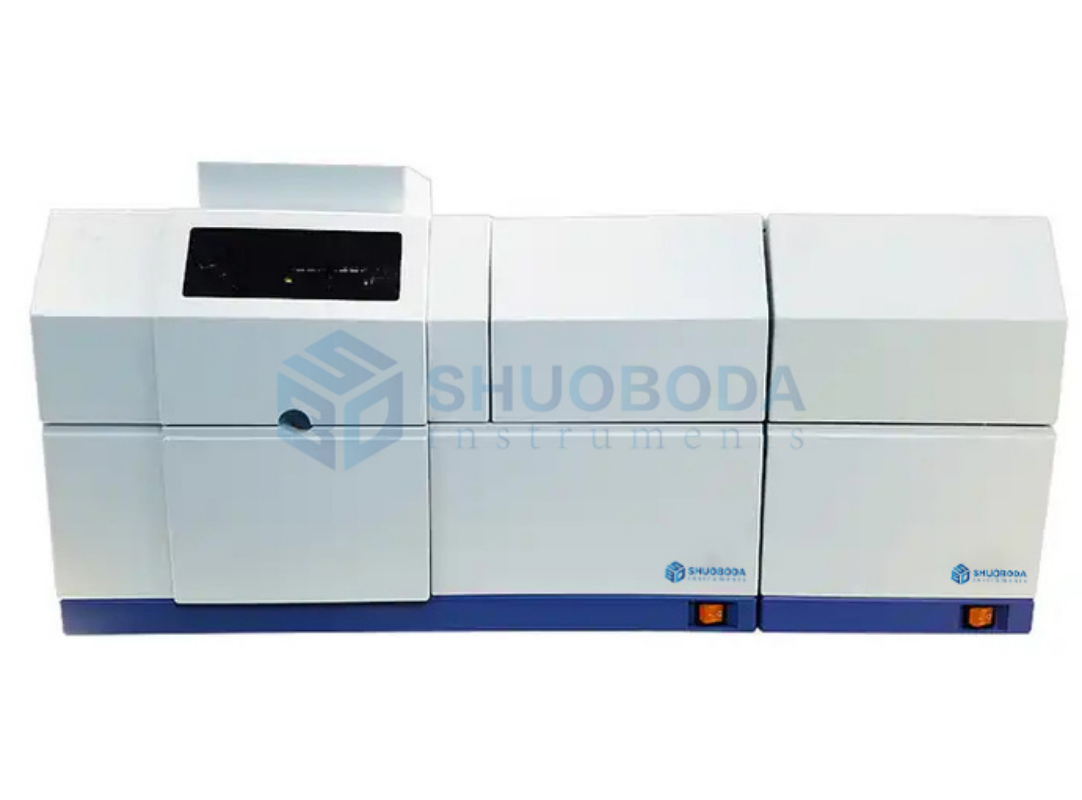
The AAS-4510 atomic absorption spectrophotometer is a highly automated atomic absorption spectrophotometer that is completely controlled by a PC and can be flexibly equipped with flame and stone black furnace atomizers. Unique optical mechanical design, safe and convenient flame system, advanced graphite furnace temperature control technology, optional buckle background technology, and various convenient functions provided by the workstation can adapt to your pursuit of automated measurement results.
Main feature:
Compact and exquisite appearance.
Convenient background subtraction method selection.
Unique optical design
Complete automatic control functions can be easily realized with the help of software workstation.
Advanced graphite furnace temperature control technology
Safe, reliable and convenient flame system
Software workstation with various functions
Convenient conversion of flame/graphite furnace system
Flame system:
Acetylene air flame burning head: 100mm
Spray chamber: polypropylene coating
Characteristic concentration: Cu≤ 0.02μ g/ml/1%
Measurement repeatability: ≤ 0.5%
Detection limit: Cu≤ 0.006μ g/ml
Safety system: Automatically cut off gas when pressure is insufficient, power is interrupted, flameout occurs or the combustion head does not match.
Technical indicators:
Rotating 4-light light stand
Wavelength range: 190nm ~ 900nm
Wavelength indication error: ±0.3nm
Wavelength repeatability: ≤ 0.15nm
Absorbance range: -0.1~2.5(A)
Spectral bandwidth: 0.1nm, 0.2nm, 0.4nm, 1.0nm, 4 levels adjustable
Baseline stability: ≤ 0.005 A/30min (Cu)
D2 background correction ability: when the background signal is 1A, the background deduction ability is ≥50 times
Self-absorbing background subtraction method
Power supply voltage: AC220V±22V 50Hz±1Hz
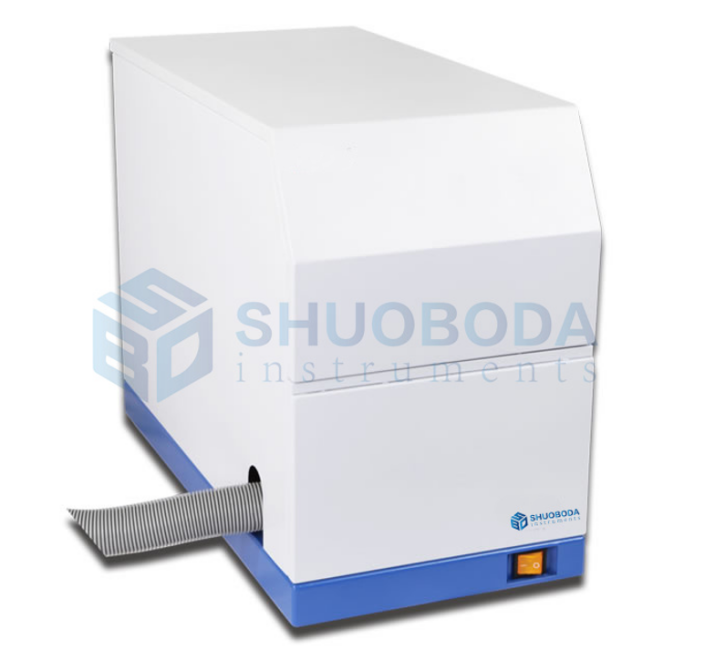
Atomic absorption graphite furnace control system
It is used for atomic absorption analysis using flameless heating and is an important supporting equipment for AAS-4530F and AAS-4510F atomic absorption spectrophotometers. It is an instrument specially used to measure trace metal elements. It injects the sample to be tested into a graphite tube, and under the protection of inert gas, the sample is heated at different temperatures to remove the moisture in the sample through the drying stage and the ashing stage to remove matrix interference without losing the measured elements in the original sample. The atomization stage fully atomizes the element to be measured in the sample, allowing the content of the element to be measured in the sample to be measured sensitively and accurately. Afterwards, the residual sample left in the graphite tube is removed through a high-temperature cleaning stage.
The main parameters:
Number of heating steps: 20 steps
Nominal temperature: 20℃~3000℃
Slope heating time: 0s~999s
Maintain heating time: 1s~999s (the sum of slope heating time and maintaining heating time is not greater than 999s)
The characteristic amount of Cu in the sample tested online with an atomic absorption instrument is ≤1×10 -11 g.
Measurement repeatability ≤3% (Cu)
Required inert gas: argon (purity above 99.99%), inlet pressure is 0.3MPa
Detection limit: Cd≤1.0x10 g
Cooling water: tap water or circulating water, water flow rate is not less than 2L/min
Display mode: The host workstation displays the graphite furnace interface
With gas pressure under-pressure alarm and furnace overheating alarm functions
Equipped with RS-232 interface for communication with the atomic absorption host
With high-power heating function (1500℃~3000℃)
With manual heating function (1000℃~3000℃)
Power supply: 220V±22V, 30A, 50Hz, about 5000W at 2700℃
Size: 280mm×550mm×420mm
Net weight: 60kg
Optional:
graphite furnace system
graphite furnace autosampler
cooling water circulation machine
Hydride generator
Hollow cathode lamps of various elements
Versatile software work
Software workstation supported by Windows 7/XP/2000/NT.
The interface display in Chinese is particularly easy to master.
Rich menu content greatly facilitates customer application.
Convenient transitions between menus make operation easier.
Multiple analysis and calibration methods provide users with greater choices.
Basic default parameter settings allow beginners to operate normally.
Flexible storage, editing and printing methods provide great support to users.
Practical online help facilitates users to solve problems in time.