Overview and Core Advantages
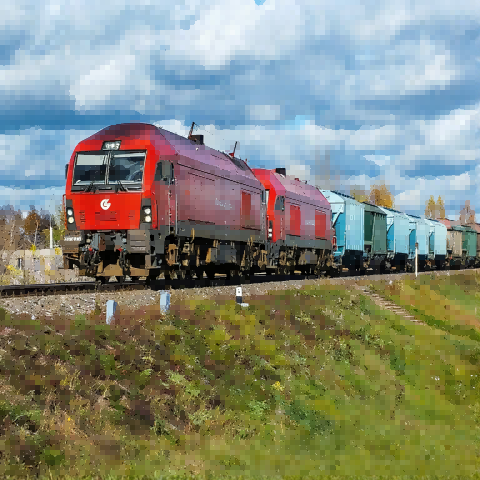
International railway freight is a vital land transportation mode for cross-border logistics, connecting continents with high efficiency, stability and cost-effectiveness. Compared with air freight, it features lower costs and larger cargo capacity, making it suitable for bulk goods and long-distance transportation. Unlike sea freight, it significantly shortens delivery time, avoiding delays caused by port congestion or bad weather. With strong adaptability to different types of cargo and stable schedules, it has become a preferred choice for enterprises engaged in cross-border trade, especially between Asia and Europe.
Core Routes and Network Coverage
The core network of international railway freight is mainly centered on the Eurasian Land Bridge, including the Trans-Siberian Railway, the China-Europe Railway Express and other key routes. These routes connect major industrial regions in Asia, Europe and even Africa, covering over 100 countries and regions. The China-Europe Railway Express, in particular, has become a benchmark, with regular departures from Chinese cities to major European hubs such as Hamburg, Munich and Rotterdam, providing a direct and efficient logistics channel for cross-continental trade.
Cargo Scope and Transportation Capacity
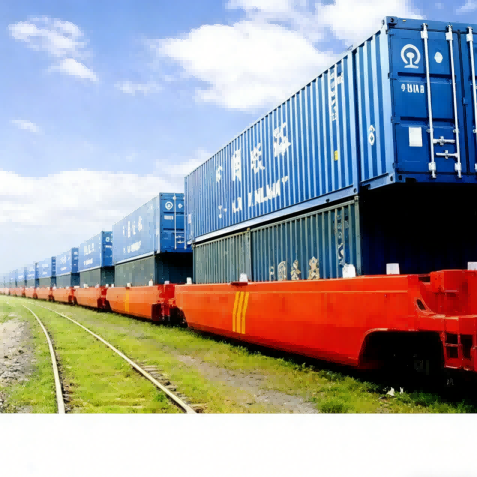
International railway freight can carry a wide range of cargo, including bulk commodities (such as coal, grain and minerals), mechanical equipment, electronic products, consumer goods and hazardous goods (with compliant packaging). The standard container capacity ranges from 20ft to 40ft, and special containers are available for oversized, overweight or temperature-controlled cargo. Each train can carry dozens of containers, with a large single-transport capacity, which can effectively reduce the transportation cost per unit of cargo for enterprises.
Service Advantages and Value
Besides efficiency and cost-effectiveness, international railway freight also offers comprehensive supporting services, including customs clearance, cargo tracking, warehousing and distribution. Professional logistics teams provide one-stop solutions, helping enterprises simplify the cross-border logistics process and reduce operational risks. It is also more eco-friendly than road or air freight, with lower carbon emissions, in line with the global trend of green development, which helps enterprises enhance their environmental protection image.
Development Prospects
With the deepening of global economic integration and the improvement of railway infrastructure, international railway freight is developing rapidly. Continuous optimization of routes, improvement of transportation efficiency and upgrading of supporting services will further expand its market share. It will not only promote trade exchanges between countries but also play an important role in building a more convenient, efficient and sustainable global logistics network.