Liquid Silicone Rubber Heat Insulation Pad Molding Machine High-Temperature Resistant Coaster Production Equipment
What Is Silicone Rubber?
Silicone rubber is a high-performance synthetic elastomer composed of silicone and other molecules (e.g., carbon, hydrogen, and oxygen). It is characterized by high viscosity and elasticity, as well as better abrasion resistance, chemical stability, insulating properties, heat and cold temperature resistance, and weatherability than organic rubber.
Key Properties of Silicone Rubber
- Operating temperature range: -100°C to 350°C (depending on exposure duration)
- Weatherability: resistant to wind, rain, UV radiation, and ozone
- Moisture resistance: 1% water absorption for extended periods
- Steam resistance: indefinitely for unpressurized steam
- Chemical resistance: oils, solvents, polar organic compounds, and diluted acidic/alkaline substances
- Electrical insulation: 1TΩ*m-100TΩ*m over wide temperature ranges
- Thermal conductivity: 0.2 W/mΩ*K
- Compression set: consistent from -60°C to 250°C
- Tear strength: 9.8 kN/m
Types of Silicone Rubber
Different silicone rubber formulations result in different material behaviors, categorized by viscosity and processing method:
- Solid Silicone Rubber (HTV): Long polymer chains with high molecular weight, processed by conventional rubber methods
- Liquid Silicone Rubber (LSR): Short polymer chains with lower molecular weight, requiring specialized injection molding
- Room Temperature Vulcanized (RTV) Rubber: One- or two-component system used for sealing and encapsulation
Applications of Silicone Rubber
Silicone rubber is used across multiple industries due to its advantageous properties:
- Aerospace (space suit components)
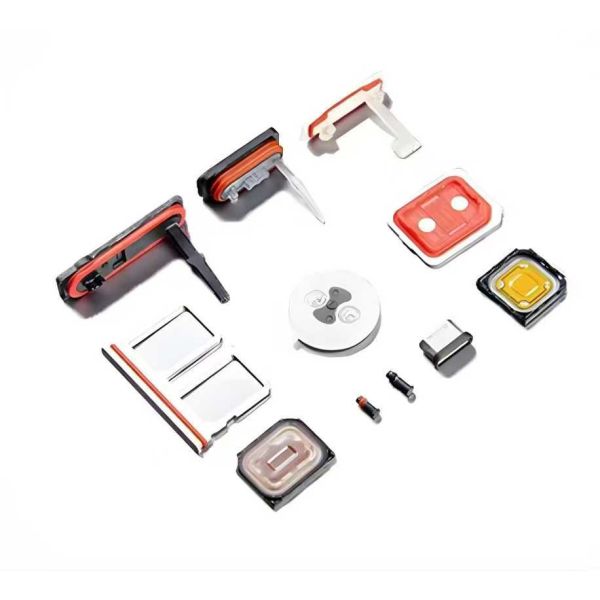
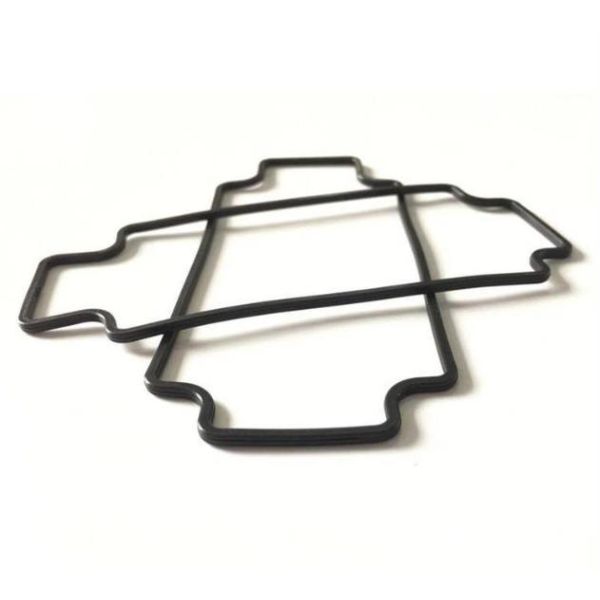
- Automotive (gaskets and seals)
- Construction (coatings and sealants)
- Electrical/electronics (adhesives and encapsulants)
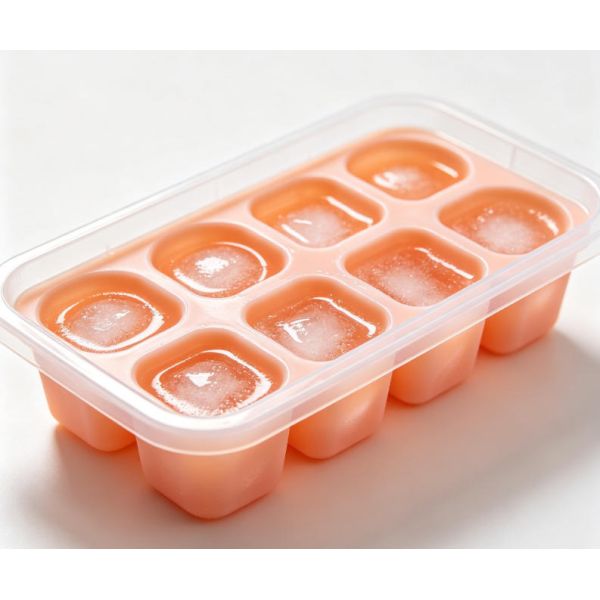
- Food processing (food molds)
- Medical (instrument components)
- Recreation (goggles and mouthpieces)
Liquid Silicone Rubber vs. Solid Silicone Rubber
Liquid Silicone Rubber (LSR): High fluidity, produces transparent/odorless products, food/skin safe, requires specialized equipment
Solid Silicone Rubber: Low fluidity, more economical to process using conventional equipment
Silicone rubber has proven essential across industries due to its durability, flexibility, and resistance to extreme conditions. Its versatility enables applications ranging from automotive components to medical devices and high-tech communication systems.